
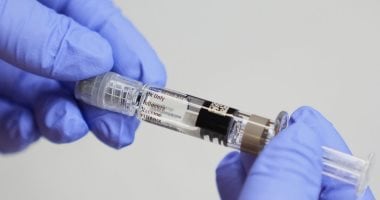
Global health authorities are seeing a significant step forward in the fight against a devastating viral disease with the development of a new vaccine for yellow fever. A recent study indicates that a new vaccine candidate, designated as vYF, has demonstrated efficacy levels comparable to the currently licensed vaccine, YF-VAX, offering a potential solution to longstanding supply challenges.
Yellow fever is a viral hemorrhagic disease transmitted to humans through the bites of infected mosquitoes. The illness presents a dangerous spectrum of symptoms, ranging from mild flu-like aches to severe hepatic failure accompanied by bleeding and jaundice—characterized by the yellowing of the skin and eyes. Since Notice currently no antiviral drugs to treat the infection, medical intervention is limited to supportive care to alleviate symptoms, making preventative vaccination the most effective strategy for control.
The urgency for new vaccine options is underscored by the disease’s high mortality rate, with estimates suggesting that yellow fever claims between 29,000 and 60,000 lives annually mangish.net. Despite the availability of safe vaccines, outbreaks have persisted in recent years, particularly across Brazil and Central Africa, prompting the World Health Organization (WHO) to recommend vaccinations for travelers and residents in high-risk zones to curb global spread youm7.com.
The vYF Vaccine: Clinical Performance and Production
The new vYF vaccine, produced by a global pharmaceutical company, is designed as a live-attenuated vaccine. A primary driver behind its development is the necessitate to address vaccine shortages; vYF is engineered to be produced with higher efficiency than previous versions, which could stabilize the global supply chain for high-risk regions.
Clinical trials for the vaccine focused on a cohort of adults aged between 18 and 60. In these second-phase trials, 329 participants received the vYF vaccine, while a control group of 156 participants was administered the licensed YF-VAX vaccine mangish.net.
The results of the study highlight a strong immune response. Specifically, 99.7% of the participants who received vYF developed the necessary antibodies within 28 days of administration. This slightly exceeds the 99.4% antibody development rate observed in the YF-VAX group mangish.net. Preliminary data confirms that vYF is safe and effective in stimulating an immune response similar to that of existing approved vaccines.
Comparing vYF and YF-VAX Outcomes
To better understand the efficacy of the new candidate, the following table summarizes the clinical trial data for adults aged 18 to 60:

| Vaccine Type | Participant Count | Antibody Development Rate |
|---|---|---|
| vYF (New Candidate) | 329 | 99.7% |
| YF-VAX (Licensed) | 156 | 99.4% |
Public Health Implications and Global Impact
The potential introduction of vYF comes at a critical time for public health. The persistent nature of yellow fever outbreaks in South America and Africa suggests that current vaccination coverage is either insufficient or hindered by supply limitations. By increasing production efficiency, the vYF vaccine could ensure that more individuals in endemic areas receive timely protection.
For the global traveling community, the availability of more efficient vaccine production reduces the risk of shortages that can disrupt travel requirements and personal safety. Since yellow fever remains a severe threat with no cure, the ability to maintain a robust, high-efficacy vaccine stockpile is the only viable way to prevent the disease from expanding into new territories.
Key Takeaways on the New Yellow Fever Vaccine
- High Efficacy: vYF shows an antibody response rate of 99.7%, comparable to the licensed YF-VAX.
- Production Boost: The vaccine is designed for higher production efficiency to combat global shortages.
- Target Demographic: Phase II trials successfully tested adults between 18 and 60 years old.
- Disease Severity: Yellow fever can lead to acute liver disease and hemorrhage, killing up to 60,000 people per year.
As the medical community awaits further updates on the regulatory approval and rollout of vYF, individuals planning travel to high-risk regions should continue to follow the vaccination guidelines provided by the World Health Organization and their local health departments.
We invite our readers to share their thoughts or questions regarding infectious disease prevention in the comments below.