

Candidates endorsed by New York State Assembly member Zohran Mamdani achieved a series of decisive victories in recent Democratic primary elections, signaling a potential shift in the party’s local political landscape. According to official results certified by the New York City Board of Elections, the slate of progressive challengers supported by Mamdani secured key nominations, overcoming long-standing incumbents and establishment-backed opponents in several competitive districts.
The outcomes of these primaries, held on June 25, 2024, indicate a growing influence of the democratic socialist wing within the New York City Democratic Party. These results follow a period of intense campaigning where issues such as affordable housing, public transit funding, and environmental policy took center stage. The victories of candidates like Claire Valdez and Darializa Avila Chevalier reflect a strategy focused on grassroots mobilization and direct voter engagement, as tracked by legislative reporting on local election cycles.
Impact of the Primary Results on New York City Politics
The primary cycle saw significant upsets that observers describe as a challenge to the traditional party hierarchy. Brad Lander, currently serving as the New York City Comptroller, successfully navigated his path to the general election, bolstered by a coalition of progressive organizations. According to data provided by the NYC Board of Elections, the margin of victory for these candidates varied, but the trend of success for Mamdani-backed figures remained consistent across multiple borough-level races.
This shift matters because it alters the composition of the Democratic ticket heading into the general election in November 2024. Political analysts note that the success of these candidates often correlates with areas experiencing high costs of living and housing instability. By prioritizing these issues, the Mamdani-aligned wing of the party has successfully tapped into voter sentiment regarding the city’s economic direction, a dynamic documented in recent political reporting on urban electoral shifts.
Key Races and Candidate Performance
The primary results highlighted a clear divide in ideological priorities among Democratic voters. Claire Valdez, running for the State Assembly, defeated her opponent by focusing on labor rights and tenant protections. Similarly, Darializa Avila Chevalier’s campaign saw success in districts where voter turnout was driven by concerns over public school funding and safety. These victories have been characterized by some political commentators as a “socialist earthquake,” though local election officials emphasize that the results simply reflect the democratic process at work.
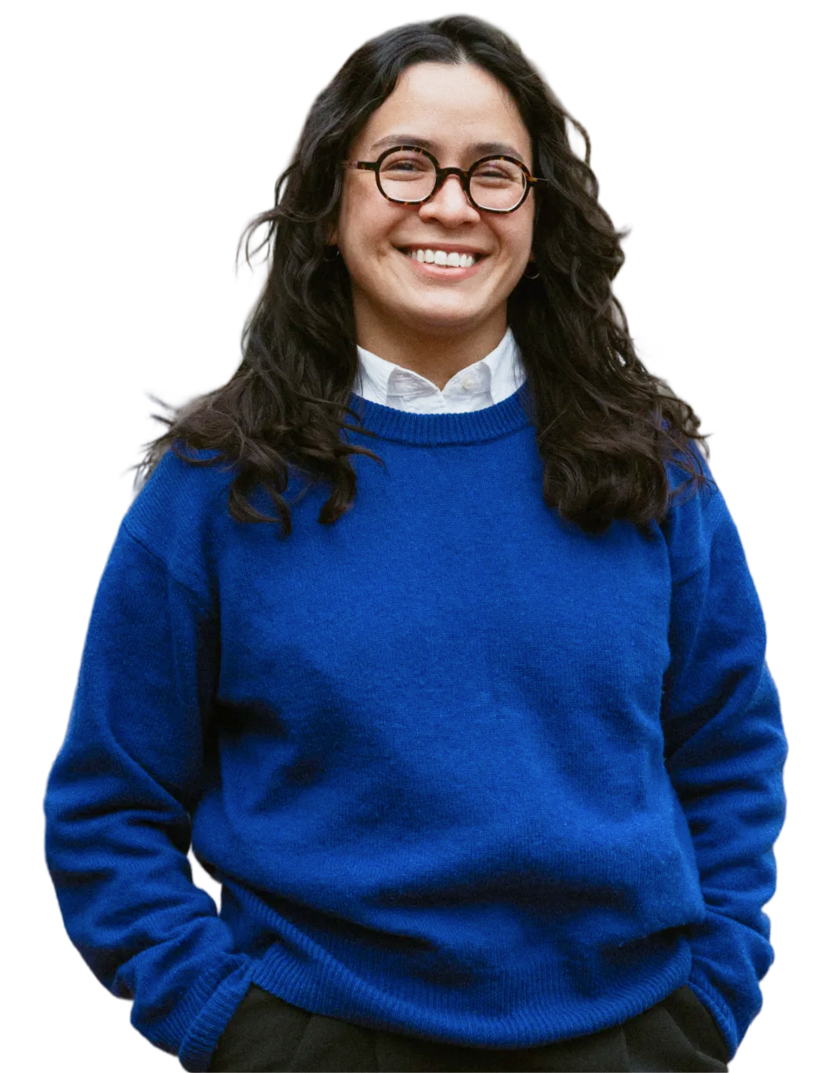
A breakdown of the primary performance shows:
- Brad Lander: Maintained his position as a central figure in the progressive movement, securing a significant share of the vote in the Comptroller primary.
- Claire Valdez: Successfully challenged the incumbent, marking a transition in leadership for her district.
- Darializa Avila Chevalier: Secured a victory that solidified the influence of the Working Families Party and affiliated grassroots groups.
Official tallies and district-by-district breakdowns are available through the official NYC election results portal, which provides the verified counts for each borough.
Comparing Electoral Strategies
The strategy employed by Mamdani-backed candidates stood in contrast to traditional political campaigns in New York. While establishment candidates often relied on institutional endorsements and traditional media advertising, the progressive slate focused heavily on digital organizing and door-to-door canvassing. This difference in approach is a common subject of analysis in AP news coverage of state and local elections, which often highlights how grassroots funding models have begun to rival traditional political action committee (PAC) spending.
Furthermore, the reliance on a specific policy agenda—namely the “Green New Deal for New York”—served as a unifying platform for these candidates. This contrasts with the more moderate approach of other Democratic candidates who focused on incremental policy changes. The effectiveness of this platform suggests that for a significant portion of the Democratic electorate, the urgency of housing and climate issues outweighs concerns about the perceived radicalism of the progressive agenda.
What Happens Next?
With the primaries concluded, the focus now shifts to the general election scheduled for November 5, 2024. Candidates who emerged from the primary process must now broaden their appeal to include a wider base of voters, including those who may have supported opponents during the primary stage. According to the New York State Board of Elections, the deadline for candidates to file final campaign finance disclosures before the general election is approaching, which will provide further insight into the resources available for the final push.

Voters are encouraged to check their registration status and polling locations through official state channels. As these candidates prepare for the next phase of the election, the broader implications for New York City’s legislative agenda will remain a key point of interest for political observers and the public alike. For ongoing updates on the general election, residents should consult the NYC Board of Elections website. We invite our readers to share their thoughts on these results in the comments section below.