
Recent election data and primary results in New York indicate a deepening ideological divide within the Democratic Party, characterized by a persistent struggle between a rising progressive wing and a resilient moderate establishment. While insurgent candidates backed by organizations such as the Democratic Socialists of America (DSA) have gained significant ground in local and state-level contests, high-profile defeats of progressive incumbents suggest that the party’s base is not moving in a single, unified direction.
The political landscape in New York has become a primary battleground for the soul of the Democratic Party. Analysts observing the recent primary cycles note that while the “progressive insurgency” successfully captured several key seats in the New York State Assembly and the New York City Council, the movement faced a significant setback in the 2024 congressional primaries. This tension reflects a broader national debate regarding the appropriate direction of economic and social policy within the party.
To understand whether the Democratic base is shifting toward more radical positions, it is necessary to examine the specific outcomes of recent contests, the influence of organized progressive groups, and the counter-movements led by moderate factions. The following analysis examines the data behind these shifts and the implications for New York’s legislative future.
How are progressive candidates reshaping New York politics?
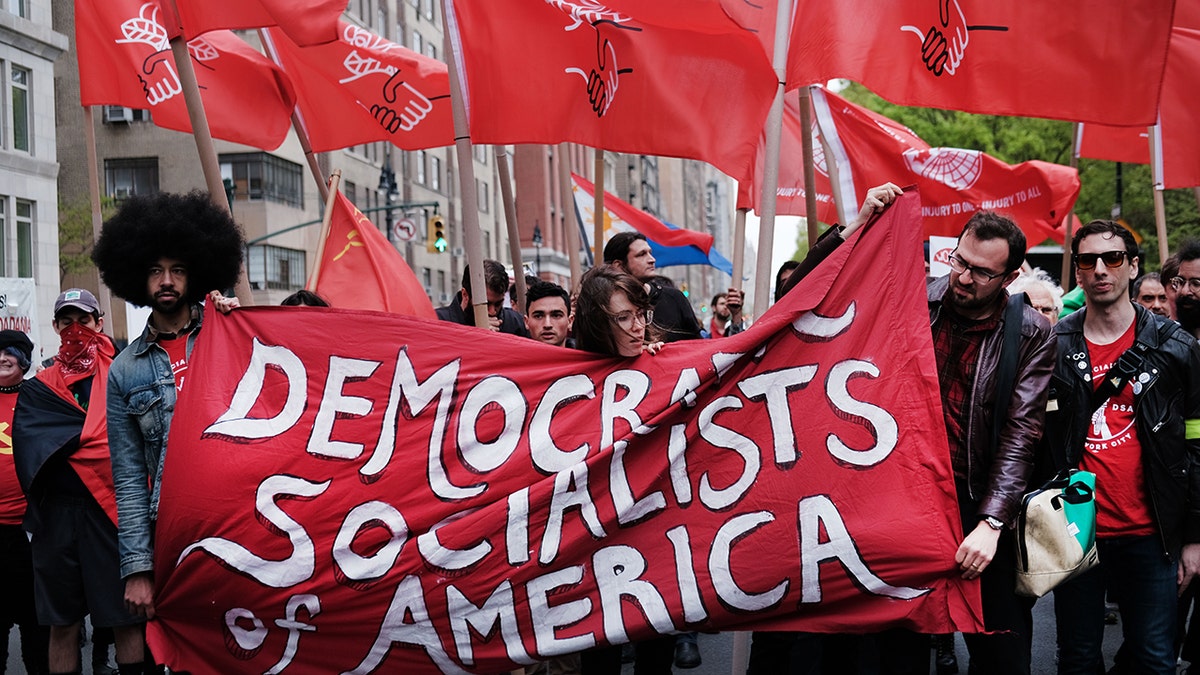
The influence of the progressive wing in New York is most visible in the localized success of candidates aligned with the Democratic Socialists of America (DSA). Since the mid-2010s, the DSA has transitioned from a marginal group to a disciplined electoral force capable of mobilizing voters in urban centers like Brooklyn, Queens, and parts of the Bronx. According to reporting from The New York Times, the DSA has successfully utilized a “ground game” strategy, focusing on door-to-door canvassing and grassroots fundraising to bypass traditional party hierarchies.
In recent years, this strategy has yielded victories in the New York State Assembly, where several members have championed policies such as “Good Cause” eviction protections, significant increases in the state minimum wage, and aggressive climate change legislation. These candidates often frame their platforms around wealth redistribution and the expansion of public services, directly challenging the centrist consensus that has historically dominated New York’s Democratic leadership.
The success of these candidates is largely driven by a specific demographic: younger, urban voters who prioritize social justice and economic equity. In many New York City districts, the primary focus has shifted from traditional partisan combat to internal ideological battles. For these voters, the distinction between “liberal” and “democratic socialist” has become increasingly blurred, as both groups generally support the core tenets of the Democratic platform but differ on the radicalism of the proposed solutions.
The Role of Organized Labor and Grassroots Mobilization
While the DSA provides a structured ideological framework, the progressive shift is also supported by a realignment of certain labor unions. Traditionally, major unions like 1199SEIU or the UFT (United Federation of Teachers) have acted as stabilizers for the Democratic establishment. However, newer, more militant labor organizations have begun to align with progressive candidates, focusing on issues like tenant rights and expanded healthcare access. This shift has created a more complex coalition that sometimes clashes with the more conservative-leaning elements of the traditional labor movement.
Why did moderate Democrats regain ground in recent contests?
Despite the momentum of the progressive wing, the theory that the Democratic Party is undergoing a wholesale shift toward socialism is complicated by significant electoral losses for progressive incumbents. The most notable example occurred in the 2024 primary for New York’s 16th Congressional District, where moderate Democrat George Latimer defeated incumbent Jamaal Bowman.
The defeat of Bowman, a prominent member of “The Squad,” was largely attributed to a well-funded campaign by moderate interests and Jewish advocacy groups. According to The Associated Press, the Latimer campaign focused heavily on Bowman’s stances regarding the conflict in Gaza and his perceived lack of support for Israel. This contest served as a clear indicator that the Democratic electorate in suburban and diverse congressional districts remains highly sensitive to foreign policy and traditional security concerns.
The Latimer victory highlights a critical divide within the New York Democratic base. While progressives may dominate certain urban cores, moderate Democrats maintain strong support in the more diverse, suburban, and middle-class districts that surround New York City. These voters often prioritize economic stability, public safety, and a pragmatic approach to governance over the more transformative social reforms advocated by the progressive vanguard.
This “counter-push” suggests that the Democratic Party is currently experiencing a period of intense internal competition rather than a linear progression toward any one ideology. The results of the 16th District primary demonstrated that moderate candidates, when backed by significant financial resources and clear messaging, can successfully unseat even the most prominent progressive figures.
Comparison of Political Factions in New York
The following table provides a comparison of the core policy priorities and electoral strengths of the two primary factions currently competing for influence within the New York Democratic Party.
| Feature | Progressive Wing (e.g., DSA-aligned) | Moderate/Establishment Wing |
|---|---|---|
| Primary Economic Focus | Wealth redistribution, universal basic services, high taxation on top earners. | Incremental tax reform, fiscal responsibility, support for small businesses. |
| Housing Policy | Aggressive rent control, “Good Cause” eviction, large-scale social housing. | Market-based solutions, incentivizing development, moderate tenant protections. |
| Core Voter Base | Younger urban voters, activists, tenant unions. | Suburban voters, older professionals, traditional labor unions. |
| Key Electoral Strength | Grassroots mobilization and high-intensity local organizing. | Significant fundraising capacity and institutional party support. |
| Recent Trend | Gaining strength in local/state legislative seats. | Resurgent in high-profile congressional contests. |
What do recent election results reveal about the Democratic base?
To determine the actual movement of the Democratic base, one must look beyond individual personalities and examine voter turnout and demographic shifts. Data from recent New York primary cycles suggests that the “base” is not a monolith but a collection of overlapping interest groups with frequently conflicting priorities. The expansion of the Democratic electorate in New York has brought in new voices, particularly among younger voters of color, who tend to align more closely with progressive economic policies.
However, the “moderate” wing of the party has also successfully mobilized, particularly in response to perceived shifts that they argue could alienate swing voters in general elections. The ability of moderate candidates to secure funding from major donors and traditional political action committees (PACs) remains a significant advantage in high-stakes congressional races. This financial disparity often offsets the grassroots energy generated by progressive campaigns.
Furthermore, the demographic makeup of the New York electorate is changing. As the state’s population shifts, the influence of traditional political machines is waning, replaced by more issue-driven voting patterns. This makes the primary process increasingly unpredictable. A candidate’s success often depends on their ability to navigate a “triangulation” of interests: satisfying the progressive base on social issues, maintaining moderate support on economic stability, and appealing to the pragmatic needs of the working class.
How does this shift impact New York’s economic policy?
As an economist observing these shifts, it is clear that the internal Democratic struggle has direct consequences for New York’s fiscal landscape. The tension between the progressive and moderate wings manifests most sharply in debates over taxation, spending, and the state’s regulatory environment.
The progressive wing’s push for expanded social safety nets—including universal childcare and subsidized housing—requires significant increases in state revenue. This often leads to proposals for higher marginal tax rates on high-income earners and corporations. While these policies aim to reduce inequality, they also spark intense debate regarding New York’s competitiveness with other states and the potential for capital flight.
Conversely, the moderate wing emphasizes the need for a balanced budget and a stable tax environment to encourage economic growth and prevent the exodus of businesses from the state. This faction is more likely to support public-private partnerships and market-oriented solutions to infrastructure and housing shortages. The resulting legislative process in Albany is often a compromise between these two extremes, leading to incremental changes rather than the radical shifts envisioned by the progressive vanguard.
The economic volatility of this period is marked by several key policy areas:
- Taxation: Ongoing battles over the “millionaire’s tax” and corporate tax rates.
- Real Estate: The struggle to balance tenant protections with the need for new residential construction.
- Energy: The transition to green energy and the economic impact on traditional utility structures.
The ultimate direction of New York’s economy will likely depend on which faction gains more institutional control over the state legislature and the governor’s office in the coming election cycles. The current equilibrium is one of high tension, where every major policy decision becomes a referendum on the party’s ideological direction.
Key Takeaways: The State of New York Democratic Politics
- Ideological Split: The party is divided between a grassroots-driven progressive wing and an institutionally-backed moderate wing.
- Local vs. National: Progressives have seen success in local and state legislative contests, while moderates have shown resilience in high-profile congressional races.
- Economic Impact: The internal struggle directly influences New York’s fiscal policy, particularly regarding taxation and housing regulation.
- Voter Demographics: Shifts in the electorate are driven by younger urban voters and a changing suburban demographic, creating a complex and unpredictable voting base.
The next major checkpoint for these political trends will be the upcoming election cycles and the subsequent legislative sessions in both New York City and Albany, where the implementation of recent primary mandates will be tested. For updates on official election filings and legislative calendars, voters can monitor the New York State Board of Elections.
What are your thoughts on the shifting political landscape in New York? Do you believe the Democratic Party is moving in the right direction? Let us know in the comments below and share this article with your network.
Keep reading