
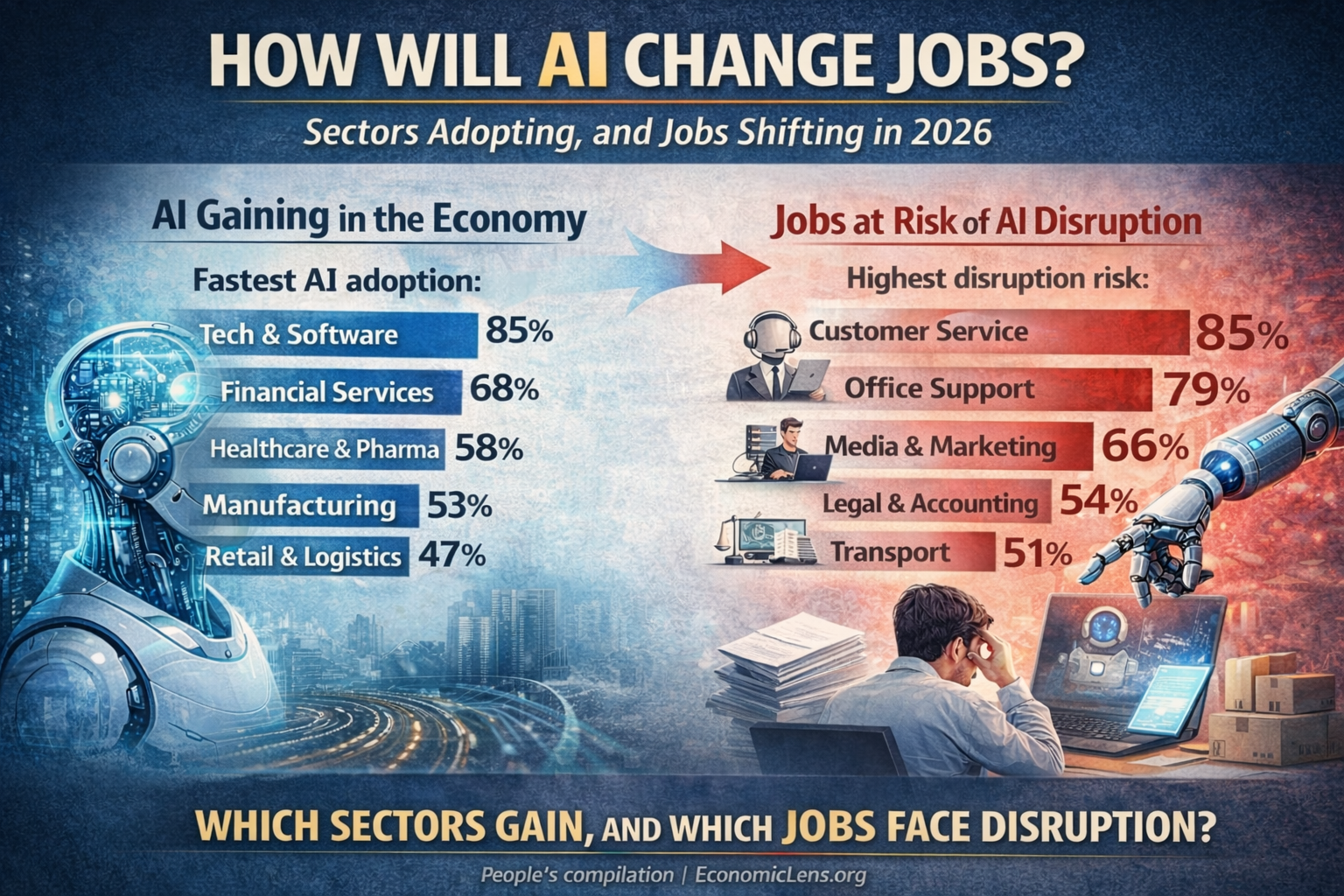
The New Zealand government is moving forward with a significant restructuring of its public sector, aiming to reduce the workforce by 14% by 2029. This ambitious plan involves shedding nearly 9,000 positions across various agencies, a move officials state is designed to streamline government operations and reduce public spending. As these job cuts progress, the administration is increasingly looking toward artificial intelligence to bridge the capacity gap, sparking a national debate over the hidden costs and long-term implications of replacing public servants with automated systems.
The coalition government’s core strategy for managing the public sector wage bill focuses on a combination of reduced headcount and the integration of emerging AI technology. According to official government statements, the plan to cut approximately 8,700 jobs across 40 core agencies is projected to save $2.4 billion over a four-year period. This shift represents one of the most substantial transformations of the New Zealand civil service in recent years, drawing both support for its fiscal discipline and criticism regarding the potential loss of institutional knowledge.
The Intersection of Fiscal Policy and AI Adoption
At the center of this transition is the government’s push for a more centrally guided system. Digitising Government Minister Paul Goldsmith has acknowledged that the government inherited a wide variety of fragmented digital arrangements across different departments, necessitating a more coherent, centralized approach. When pressed in Parliament on the specifics of the AI rollout, including licensing costs and the potential for local versus international technology providers, Goldsmith indicated that the government intends to utilize the best technology available, noting he was not aware of a local AI provider capable of operating at the scale of international platforms like Claude or Copilot.
The push to integrate AI into government workflows has raised questions from the public and opposition parties alike. Critics, such as retired forestry consultant Roger May, have expressed concerns that the rapid reduction of thousands of knowledgeable bureaucrats may lead to unforeseen expenses that could ultimately erode the intended savings. The argument centers on the idea that the time and money required to successfully implement, train, and maintain sophisticated AI systems may be significantly higher than initial estimates suggest.
Assessing the Impact on Public Service
The scale of the reduction—14% of the public sector—is a figure that has drawn significant attention from both domestic and international observers. As the government continues to refine its strategy, the focus remains on how these agencies will maintain service standards while operating with fewer personnel and an increased reliance on digital tools. The government’s fiscal targets, specifically the $2.4 billion savings goal, remain a central pillar of the current administration’s economic policy, as confirmed by reports on New Zealand’s public sector job cuts.
For many, the transition highlights a broader global trend: the struggle to balance the efficiency promises of generative AI with the tangible, human-centric needs of public administration. While the government maintains that a more efficient public sector is necessary for the country’s long-term economic health, the practical execution of this pivot continues to be a subject of intense scrutiny in Wellington. The government’s reliance on large-scale, international AI solutions underscores a move toward global technological dependency, a factor that will likely remain a key point of discussion as the implementation phase progresses.
What Happens Next
As the government moves into the next phase of its digitisation and workforce reduction strategy, stakeholders are awaiting further details on the specific costs associated with AI procurement and the transition timelines for the affected agencies. The debate in Parliament serves as a reminder that the implementation of such large-scale technological shifts is rarely a simple financial equation. With 40 core agencies involved in the restructuring, the coming months will be critical in determining whether the projected savings can be realized without compromising the quality of public services.

Readers interested in following this development can monitor official updates from the New Zealand Parliament regarding ongoing budgetary and departmental adjustments. We encourage you to share your thoughts on the role of AI in the public sector in the comments below, and stay tuned to World Today Journal for continued coverage of how global governments are navigating the digital transformation of the civil service.