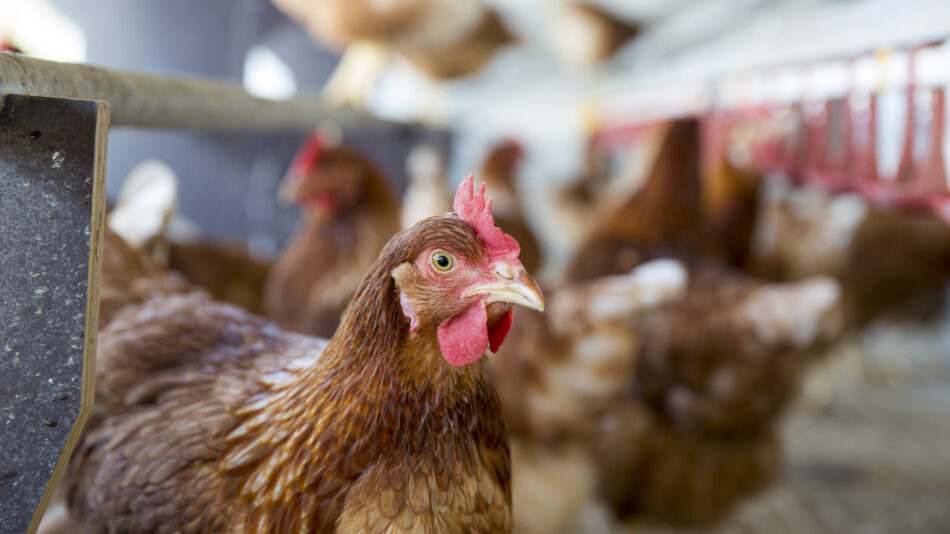
The specter of avian disease is once again raising concerns for poultry farmers and animal health officials across Europe. Recent outbreaks of Newcastle disease (ND), often referred to as “atypical avian influenza,” in several European countries, including Germany and Poland, are prompting renewed calls for vigilance and adherence to mandatory vaccination protocols. While not currently impacting the region of Hesse, authorities are urging heightened caution and preventative measures to protect domestic bird populations.
Newcastle disease is a highly contagious viral infection affecting a wide range of bird species, particularly chickens and turkeys. The clinical presentation of the disease can vary significantly depending on the bird species, age, vaccination status, and the specific viral strain involved. Symptoms can range from mild respiratory distress and reduced egg production to severe neurological signs and, high mortality rates. This variability makes early detection challenging, emphasizing the importance of robust surveillance and reporting systems.
The current wave of outbreaks began gaining momentum in the autumn of 2024 in Poland, and has since spread to several German federal states. As of early March 2026, 24 poultry farms in Brandenburg, as well as in Upper and Lower Bavaria, have reported confirmed cases of Newcastle disease. These outbreaks, sometimes affecting hundreds of thousands of birds per farm, necessitate the implementation of stringent disease control measures, mirroring those used during avian influenza outbreaks. These measures include culling infected flocks, establishing protective and surveillance zones, and rigorous disinfection protocols. The economic impact on affected farms can be substantial, and the potential for wider disruption to the poultry industry is a serious concern.
Understanding Newcastle Disease and its Spread
Newcastle disease is caused by the Newcastle disease virus (NDV), a subtype of avian paramyxovirus 1. The virus is highly contagious and can spread through direct contact with infected birds, contaminated feed and water, and airborne transmission. Wild birds, particularly migratory waterfowl, can act as reservoirs for the virus, contributing to its spread. Indirect transmission via contaminated equipment, vehicles, and even clothing also plays a significant role. The virus can survive for varying periods in the environment, depending on factors such as temperature and humidity, further complicating control efforts. According to the Main-Kinzig-Kreis, the disease is widespread globally among birds.
While Newcastle disease does not typically infect humans, occasional cases of mild conjunctivitis (pinkeye) have been reported in individuals exposed to infected birds. Though, the risk to human health is considered very low. The primary concern remains the devastating impact on poultry populations and the economic consequences for the agricultural sector.
Mandatory Vaccination and Biosecurity Measures
In Germany, vaccination against Newcastle disease is legally mandated for all chicken and turkey farmers. This preventative measure is considered a cornerstone of the national disease control strategy. The vaccination schedule typically involves repeated administration of the vaccine, often via drinking water, at intervals of approximately six weeks to maintain adequate immunity levels. This frequent boosting is crucial given the potential for the virus to evolve and the need for sustained protection.
However, vaccination alone is not sufficient. Strict biosecurity measures are equally important in preventing the introduction and spread of the virus. These measures include limiting access to poultry farms, implementing thorough cleaning and disinfection protocols, controlling rodent and wild bird populations, and avoiding contact between domestic poultry and wild birds. Farmers are also advised to restrict participation in poultry exhibitions and markets, as these events can facilitate the transmission of the virus. The Main-Kinzig-Kreis is actively reminding poultry keepers of these obligations.
Current Situation and Regional Response
As of March 16, 2026, the situation in Hesse remains relatively stable, with no confirmed cases of Newcastle disease reported within the region. However, authorities are urging poultry farmers to remain vigilant and to report any unusual signs of illness or mortality in their flocks immediately. The Main-Kinzig-Kreis has issued guidance recommending a risk-based approach to restricting free-range and outdoor access for poultry, balancing animal welfare considerations with the need to minimize the risk of infection.
The recent outbreaks in Brandenburg and Bavaria have prompted a heightened state of alert across Germany. The Friedrich Loeffler Institute, Germany’s federal research institute for animal health, is closely monitoring the situation and providing scientific support to regional authorities. The institute is also conducting ongoing surveillance to track the spread of the virus and to identify any emerging strains. According to the Bayerischer Bauernverband, these are the first confirmed cases of Newcastle disease in German poultry in around 30 years.
Early Detection and Reporting
Early detection is critical for controlling Newcastle disease outbreaks. Poultry farmers are legally obligated to report any unusual increases in mortality or illness within their flocks to the local veterinary authorities. Prompt reporting allows for rapid investigation, diagnosis, and implementation of appropriate control measures. The European Union has established strict regulations governing the control of Newcastle disease, including mandatory culling of infected flocks and the establishment of protective and surveillance zones around affected premises.
The Main-Kinzig-Kreis has a general decree in place, originally issued in October 2025 in response to avian influenza, that is also applicable to Newcastle disease. This decree outlines the specific measures that must be taken to prevent and control the spread of the disease. The decree is available on the Kreis website at https://www.mkk.de/media/resources/pdf/mkk_de_1/aktuelles_1/bekanntmachungen_1/2025_1/2025-10-30_Tierseuchenbehoerdliche_Allgemeinverfuegung_zum_Schutz_vor_der_hochpathogenen_aviaeren_Influenza_HPAI.pdf.
Looking Ahead
The ongoing outbreaks of Newcastle disease in Europe underscore the importance of sustained vigilance and proactive disease control measures. Continued investment in research, surveillance, and vaccination programs is essential to protect poultry populations and prevent future outbreaks. Collaboration between governments, industry stakeholders, and veterinary professionals is also crucial for effective disease management. The situation remains dynamic, and authorities will continue to monitor the spread of the virus and to adapt control strategies as needed.
The next official update regarding the Newcastle disease situation in Germany is expected from the Friedrich Loeffler Institute in early April 2026. Poultry farmers and animal health professionals are encouraged to stay informed about the latest developments and to adhere to all relevant regulations and guidelines. Your comments and questions are welcome below. Please share this article with anyone who may find it useful.
Worth a look