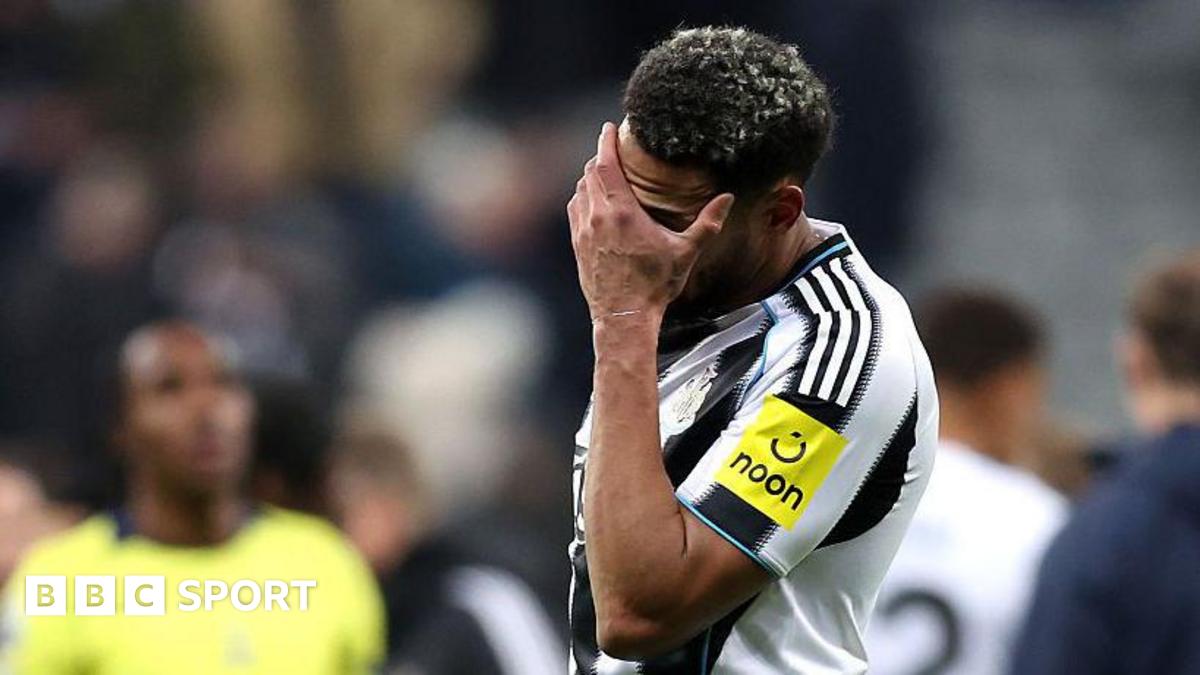
Teh Costly Lapse: Analyzing Newcastle’s Late Collapse Against Tottenham
Newcastle United‘s recent draw against Tottenham Hotspur wasn’t a defeat, but it felt like one. A late equalizer, punctuated by a stunning overhead kick, snatched victory from the Magpies’ grasp, leaving fans and manager Eddie Howe dissecting what went wrong.But this wasn’t simply bad luck; it was a breakdown in crucial defensive principles at the most vulnerable moment. Let’s break down the key factors that contributed to this frustrating result and what Newcastle can learn from it.
A Gifted Equalizer: How Spurs Capitalized
Tottenham didn’t dominate the match,registering a limited number of shots on target. This makes Newcastle’s concession of the second equalizer all the more painful. The opportunity arose from a seemingly innocuous corner kick, expertly delivered by substitute Mathys Tel.
Hear’s how the sequence unfolded:
* Ramsdale’s Decision: Aaron Ramsdale, deputizing for the injured Nick Pope, opted to punch the corner. While not inherently a mistake, the punch lacked conviction and failed to clear the danger zone.
* Lack of Aerial Authority: The ball lingered in the air, creating a chaotic situation within the Newcastle penalty area. Crucially, no Newcastle player decisively challenged for the header.
* Romero’s Opportunity: Cristian Romero, already a threat throughout the match, was granted the space and time to execute a spectacular overhead kick.
* slow Reaction: Even after Romero’s connection, the ball’s trajectory allowed Ramsdale a chance to react, but his response was ultimately too slow.
The result? A stunning goal that silenced St. James’ Park and highlighted a collective defensive lapse.
recurring Themes: A Pattern of Late Concessions?
This wasn’t an isolated incident. Howe himself acknowledged the unsettling pattern of conceding late goals. He referenced previous instances against Liverpool in August and Arsenal in september, suggesting a deeper issue than mere misfortune.
Is there a psychological component at play? Howe believes so. When leading late in games, a subconscious “fear of conceding” can creep in, leading to hesitant defending and a loss of composure.This is a critical area for Newcastle to address.
Howe’s Assessment: Coaching and Psychology
following the match, Howe took responsibility, emphasizing the need for improved coaching and a stronger mental approach. He pinpointed two key areas:
* Tactical Refinement: “You can look back to each moment and identify the mistake or a part of the team not doing its job,” Howe stated. He intends to refine the team’s defensive positioning and decision-making in late-game scenarios.
* Proactive Defense: Howe reiterated his preference for an attacking style of defense, encouraging the team to maintain pressure and prevent opponents from settling. Though, he also acknowledged the need to “see it out” and defend resolutely when a proactive approach isn’t feasible.
what Can Newcastle Do to Prevent Future Collapses?
Turning analysis into action is crucial. Here are some concrete steps Newcastle can take:
* Set-Piece Drills: Intensify training on defending set-pieces, focusing on aggressive marking, decisive clearances, and dialogue.
* Goalkeeping Consistency: While ramsdale is a capable goalkeeper, ensuring consistent performance and building his confidence is vital, especially in Pope’s absence.
* Mental Fortitude training: Incorporate mental skills training to help players manage pressure, maintain focus, and overcome the fear of conceding.
* Game Management: Develop a clear game management strategy for late-game situations, including tactical adjustments and player substitutions.
Evergreen Insights: The psychology of Leading and losing
The Newcastle-Tottenham encounter offers a valuable lesson applicable to teams across all levels of competition. Maintaining a lead isn’t simply about defending; its about managing the psychological pressures that come with it.
here are some timeless principles:
* Complacency is the Enemy: A agreeable lead can breed complacency, leading to a drop in intensity and concentration.
* The Power of Momentum: A single goal can shift momentum dramatically. Teams must be prepared to weather the storm and regain control.
* Resilience is Key: The ability to bounce back from setbacks is a hallmark of successful teams.
FAQ: Addressing Your
Keep reading