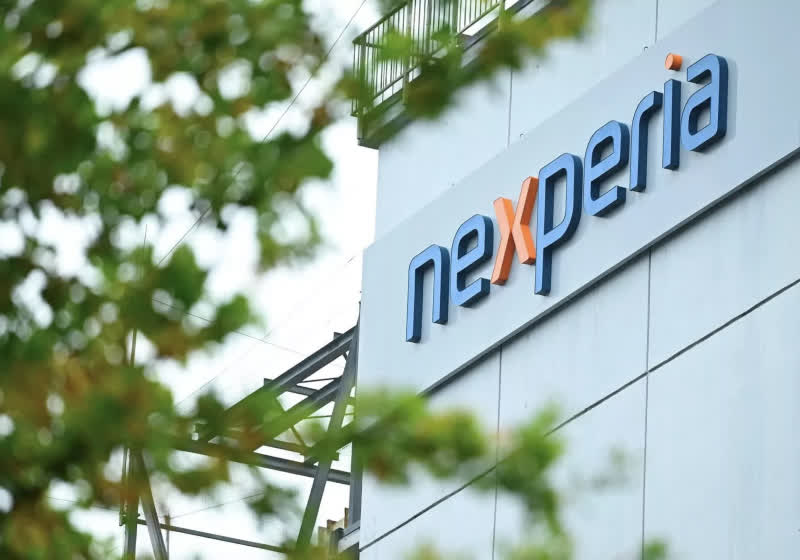
## Navigating Geopolitical Currents: The Nexperia Case and the Future of Semiconductor Control
The global landscape of semiconductor manufacturing is increasingly defined by geopolitical strategy, and recent events surrounding Nexperia, a key chipmaker, vividly illustrate this trend. as of November 20, 2025, the Dutch government has relinquished it’s temporary oversight of Nexperia, returning control to its Chinese parent company. This decision, reached after a period of intense diplomatic discussions and consultations with European partners, underscores the complex balancing act nations face when navigating economic ties with strategic industries. This article delves into the intricacies of the nexperia situation, its implications for the semiconductor industry, and the broader context of national security concerns surrounding critical technology.### The Nexperia Saga: A Timeline of Control
Nexperia, headquartered in Nijmegen, Netherlands, is a significant player in the semiconductor market, specializing in discrete, logic, and power transistors. The company’s importance stems from its role in supplying components for a wide range of industries, including automotive, industrial, and consumer electronics. In September 2023, the Dutch government intervened, invoking national security concerns to block the complete acquisition of Nexperia by Wingtech Technology, a Chinese company. This intervention followed a review that highlighted the potential risks associated with foreign control over a company vital to European supply chains.
The initial intervention involved placing Nexperia under temporary government stewardship, effectively halting Wingtech’s full ownership. this period was intended to allow for a thorough assessment of the security implications and to explore potential mitigation strategies. Following weeks of negotiations with both Chinese authorities and European allies, Dutch economic Affairs Minister Vincent Karremans announced the decision to return control to Wingtech. This move was predicated on commitments made by the Chinese owner regarding the company’s operations and data security. While specific details of these commitments remain confidential, they reportedly address concerns about potential technology transfer and the protection of sensitive information.
### National Security vs. Economic Interests: A Delicate Balance
The Nexperia case highlights the inherent tension between national security imperatives and the benefits of open international trade. Governments worldwide are increasingly scrutinizing foreign investments in critical infrastructure and technology sectors,notably those with potential military applications. Semiconductors fall squarely into this category, given their ubiquitous presence in modern defense systems and their importance to economic competitiveness.
“Extensive consultations with European allies and direct conversations with Chinese officials were crucial in reaching this decision.”
The dutch government’s initial intervention was driven by concerns that full Chinese ownership of Nexperia could compromise European technological sovereignty and perhaps expose critical infrastructure to security risks. However, a complete blockage of the acquisition could have had negative repercussions for the Dutch economy and strained relations with China, a major trading partner. The final decision represents a compromise, aiming to safeguard national security interests while maintaining economic ties.
### Implications for the Semiconductor Industry and Global Supply Chains
The Nexperia situation has broader implications for the global semiconductor industry. It underscores the growing trend of governments actively intervening in the market to protect their national interests. This intervention can take various forms, including investment restrictions, export controls, and subsidies for domestic chip production. The united States,for example,has implemented the CHIPS and Science Act,providing billions of dollars in funding to bolster domestic semiconductor manufacturing. Similarly, the European Union is pursuing its own Chips Act, aiming to double its share of global chip production by 2030.
These initiatives reflect a growing recognition of the strategic importance of semiconductors and the need to diversify supply chains. The COVID-19 pandemic and subsequent supply chain disruptions exposed the vulnerabilities of relying on a limited number of suppliers, particularly those concentrated in specific geographic regions. The Nexperia case serves as a reminder that geopolitical risks can quickly disrupt even the most established supply chains.
### The Rise of “tech nationalism” and its Impact
The events surrounding nexperia are emblematic