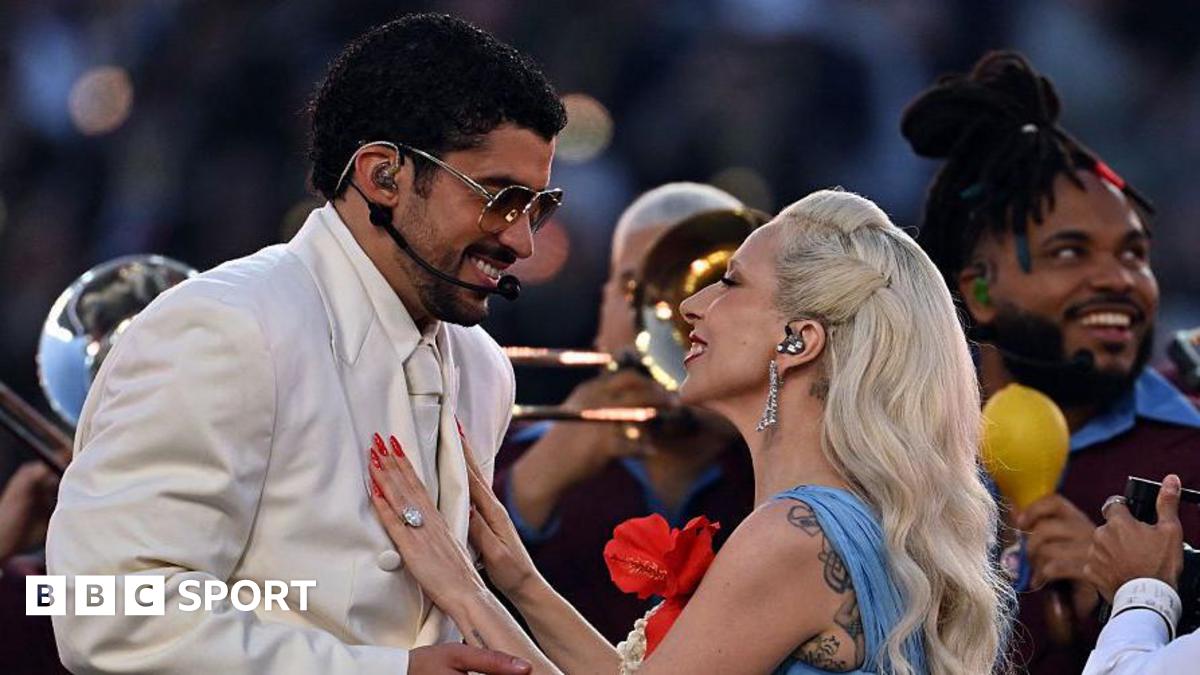
The National Football League (NFL) is expanding its international footprint by increasing the frequency and scale of half-time performances, aiming to provide global audiences with a localized version of the Super Bowl experience. While the championship game remains the league’s primary showcase, the NFL has confirmed plans to integrate more high-profile entertainment elements into its international series games as part of a broader strategy to grow its fan base outside the United States.
The Evolution of the Super Bowl Half-Time Spectacle
The Super Bowl half-time show has transitioned from a modest collegiate marching band display in the 1960s to a global cultural phenomenon. According to official NFL historical records, the turning point occurred in 1993 with Michael Jackson’s performance at Super Bowl XXVII. That appearance shifted the broadcast’s focus, transforming the interval into a standalone entertainment event that consistently draws viewership figures rivaling the game itself.

For decades, this level of production was reserved exclusively for the championship game. However, the NFL’s current international strategy seeks to replicate this engagement for fans in markets like the United Kingdom, Germany, and Brazil. By introducing more sophisticated half-time programming to these regions, the league intends to deepen the connection between international spectators and the American football product.
Strategic Growth in International Markets
The NFL’s international growth is underpinned by a series of regular-season games hosted in diverse global cities. The league’s official international series schedule highlights a deliberate effort to establish local roots. In 2024, the league hosted its first-ever regular-season game in São Paulo, Brazil, at the Neo Química Arena, signaling a shift toward more aggressive expansion in South America.

Industry analysts point out that these international games are no longer just athletic contests; they are immersive cultural events. By investing in half-time shows that feature local artists or internationally recognized stars, the NFL is attempting to bridge the gap between American sports traditions and local entertainment preferences. This approach follows the model established by other global sports leagues, such as the UEFA Champions League, which utilizes high-production opening ceremonies to capture global interest.
Why Entertainment Matters to Global Expansion
The integration of entertainment into sports broadcasts serves a specific commercial purpose: audience retention. Data from the Nielsen Company suggests that high-profile musical performances during sports events significantly increase social media engagement and viewership duration among younger demographics. For the NFL, capturing this segment is essential for long-term sustainability in markets where American football competes with established sports like association football (soccer).
The expansion of these shows is not merely about spectacle; it is a logistical challenge. Moving the infrastructure required for a major concert—including sound engineering, stage assembly, and complex lighting rigs—across international borders is a significant undertaking. The league is currently working with global production partners to ensure that the quality of these performances remains consistent with the standards set by the domestic Super Bowl.
What Happens Next for Global Fans
The NFL has not yet released a comprehensive list of artists for the upcoming 2026 international schedule, but league officials have indicated that the process of venue selection and entertainment planning is already underway. Fans can monitor the official NFL news portal for updates regarding the 2026 international series, including specific city announcements and ticketing information.

As the league continues to navigate the complexities of global sports broadcasting, the focus will remain on balancing the integrity of the game with the demands of a global entertainment market. The success of these initiatives will be measured by viewership growth and the ability to convert casual observers into long-term supporters of the sport.
We welcome your thoughts on the evolution of NFL entertainment. Share your perspective in the comments section below or join the conversation on our social channels.