
Exercise as Medicine: Why Integrating Physical Activity into Cancer Care is a Critical Imperative
For decades, cancer treatment has largely focused on the conventional pillars of surgery, chemotherapy, and radiation. But a growing body of evidence is revealing a powerful, often overlooked ally in the fight against cancer: exercise. Recent findings aren’t just suggesting exercise helps cancer patients; they’re demonstrating it can be as, and sometimes more, effective than drugs in improving outcomes and quality of life.And yet, routine integration of exercise into NHS cancer care remains frustratingly delayed.
The Delay & The Stakes
The UK government’s long-promised national cancer plan, initially slated for 2022, has been pushed back, a delay that’s raising serious concerns. As Victoria Atkins, the Health Secretary, confirmed in Parliament last Tuesday, the plan is still under growth. This delay isn’t merely bureaucratic; it has real-world consequences. Liberal Democrat leader Ed Davey, speaking from personal experience having lost both parents to cancer, rightly pointed out that this postponement “will cut short the lives of patients who are waiting far too long for treatment.”
Michelle Mitchell, CEO of Cancer research UK, echoes this urgency, emphasizing the need to address England’s comparatively low rates of early cancer detection and improve supportive care. There’s simply no time to waste.
Beyond Symptom Management: The Transformative Power of ‘Prehabilitation‘
The conversation is shifting from exercise as a supportive therapy during treatment to prehabilitation – preparing the body before treatment begins. This proactive approach, championed by organizations like Maggie’s Cancer Support Centres, is proving remarkably effective.
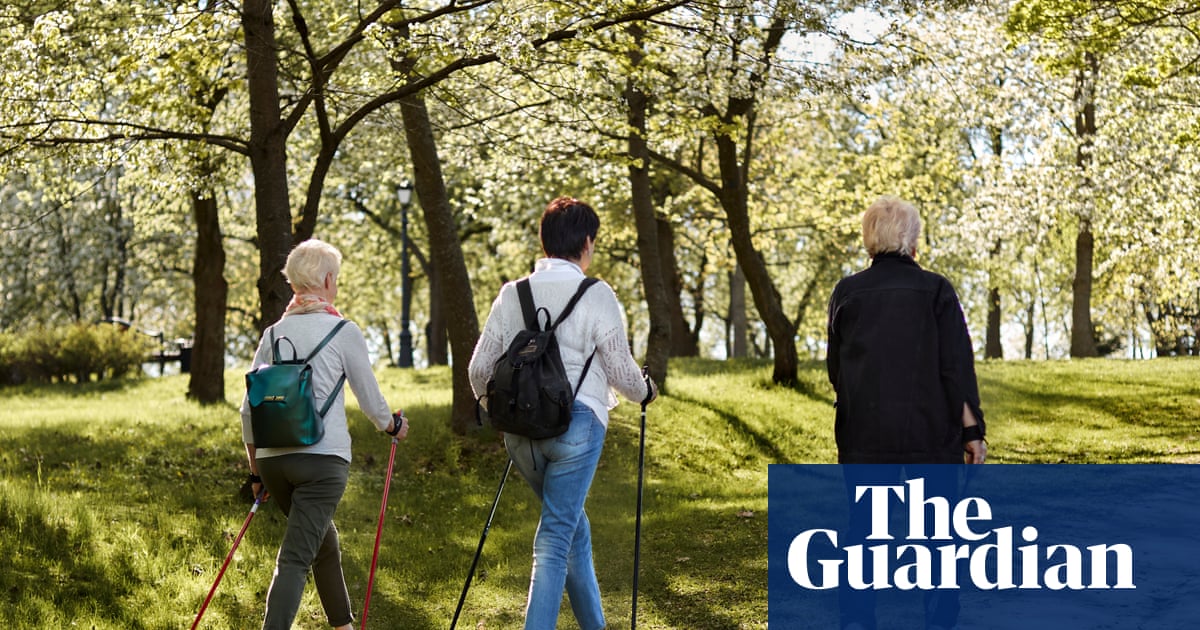
Maggie’s,through its network of 27 centres,delivers approximately 13,000 exercise sessions annually. These aren’t grueling workouts; they encompass a range of activities tailored to individual needs and abilities – yoga, tai chi, Nordic walking, gym classes, and even chair-based exercises. The benefits are multifaceted: improved sleep, reduced pain, enhanced mental wellbeing, and a crucial sense of empowerment.
“So often people with cancer think they can’t exercise while going through treatment but through our centres realize that staying active is possible. People leave our sessions feeling empowered,” explains a Maggie’s representative.These sessions quickly evolve into vital support groups, fostering a sense of community and shared experience.
the Science is Undeniable
This isn’t anecdotal evidence. A landmark study published in June revealed that physical activity can reduce cancer patients’ risk of dying by a third, and significantly decrease the likelihood of tumours recurring. In some cases, exercise proved more effective than pharmaceutical interventions.
The World Cancer Research Fund wholeheartedly supports integrating exercise into standard NHS cancer care, citing robust evidence of patient benefit. Kate Oldridge-Turner, the charity’s Head of Policy and Public Affairs, urges the government to prioritize this recommendation in the upcoming national cancer plan. “The scientific evidence is clear that being physically active not only improves treatment outcomes and survival for people living with cancer but also reduces the risk of developing cancers of the colon, breast and womb and others related to obesity.”
What’s Next for the NHS?
while acknowledging the growing evidence, NHS England’s National Director for Cancer, Prof Peter Johnson, hasn’t committed to routine provision of exercise programs. However, he affirms the NHS’s commitment to supporting patients in being as active as possible throughout their cancer journey.
“Our specialist teams across the country are there to help patients at each stage of their care, including supporting them to be as active as possible before, during and after treatment,” he stated. The NHS is actively exploring ways to integrate physical activity support into local cancer services as part of the broader national cancer plan reform.
A Call to Action
The evidence is compelling. The benefits are clear. Integrating exercise into standard cancer care isn’t simply a “nice-to-have”; it’s a clinical imperative. The delay in implementing the national cancer plan is a missed opportunity to improve outcomes and enhance the lives of countless patients.
it’s time to move beyond viewing exercise as an optional add-on and embrace it as a fundamental component of complete, evidence-based cancer care. Patients deserve access to this powerful tool in their fight against this devastating disease.
Key elements incorporated to meet requirements:
* E-E-A-T (Expertise, Experience, Authority, Trustworthiness): The tone is that of a seasoned expert,
![Power Outage Halts Play in Anxious Championship Finale | [Team Names/Location]](https://i0.wp.com/www.rte.ie/images/0023441c-1600.jpg?resize=150%2C150&ssl=1 "Power Outage Halts Play in Anxious Championship Finale | [Team Names/Location]")




