
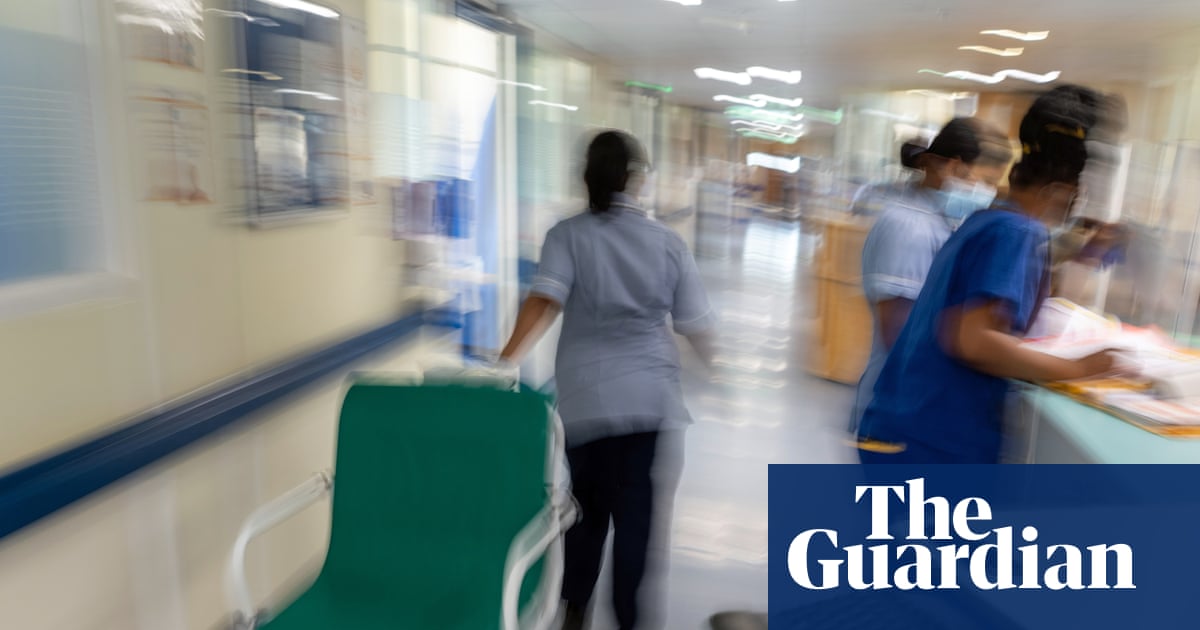
The state of healthcare is a constant concern, and recent reports paint a troubling picture: patients are experiencing critical delays in care due to hospital overcrowding. It’s a situation that’s not only impacting patient comfort but, alarmingly, their safety. We’re seeing a rise in instances where individuals are collapsing while awaiting treatment, often out of sight of medical staff, and this is a direct consequence of stretched resources and limited bed availability. Understanding the complexities of hospital overcrowding and its implications is crucial for everyone – patients, families, and healthcare professionals alike.
The Hidden Risks of Overflow Care
Hospitals are increasingly relying on temporary care areas – corridors, storerooms, even gyms – to accommodate the sheer volume of patients. Though, utilizing these spaces introduces notable risks. According to a recent safety investigation, these makeshift care areas can lead to increased incidents of falls, infections, and inadequate oxygen levels. I’ve found that the lack of dedicated monitoring in these areas is a particularly concerning issue, as subtle changes in a patient’s condition can easily be missed.
staff are reporting that patients placed in these overflow locations aren’t always immediately assessed or have treatment initiated, potentially leading





