
Eric Ciotti, the deputy for Alpes-Maritimes and president of the Union des Droits pour la République (UDR), has formally requested the removal of Transport Minister Philippe Tabarot from the French government following allegations of intimidation. The request stems from an incident that reportedly occurred on Sunday at the Palais des Congrès in Nice, during which Mr. Ciotti claims he was subjected to aggressive behavior by the minister.
In a letter addressed to Prime Minister Michel Barnier, Mr. Ciotti characterized the encounter as involving conduct of “exceptional gravity.” The dispute marks a significant escalation in the ongoing political tensions within the Alpes-Maritimes region, a traditional stronghold for the French right where both men have held significant influence. As of Tuesday, the Prime Minister’s office has not publicly commented on the request for the minister’s dismissal, nor has the government initiated any formal inquiry into the specific allegations.
The Nature of the Allegations
The core of the conflict centers on an exchange that took place during a public event in Nice. According to statements provided by Mr. Ciotti’s office, the interaction between the two politicians involved verbal threats that the deputy deemed incompatible with the decorum and responsibilities of a government minister. Mr. Ciotti has framed the incident not merely as a personal disagreement, but as an abuse of authority that warrants immediate administrative consequences.
The French political landscape operates under strict norms regarding the conduct of cabinet members. Under the current charte de déontologie des membres du gouvernement, ministers are expected to maintain an irreproachable standard of conduct. Mr. Ciotti’s appeal to the Prime Minister relies on the argument that these alleged actions undermine the public’s trust in the executive branch. However, the lack of third-party corroboration regarding the specific language used during the Sunday encounter leaves the veracity of the claim subject to competing political narratives.
Political Context in the Alpes-Maritimes
The friction between Eric Ciotti and Philippe Tabarot is widely viewed by political analysts as a symptom of a broader realignment on the French right. Mr. Ciotti, who previously led the Les Républicains (LR) party before founding the UDR, has experienced a tumultuous period of political isolation following his controversial decision to seek an electoral alliance with the Rassemblement National (RN) during the 2024 legislative elections, as reported by Le Monde.
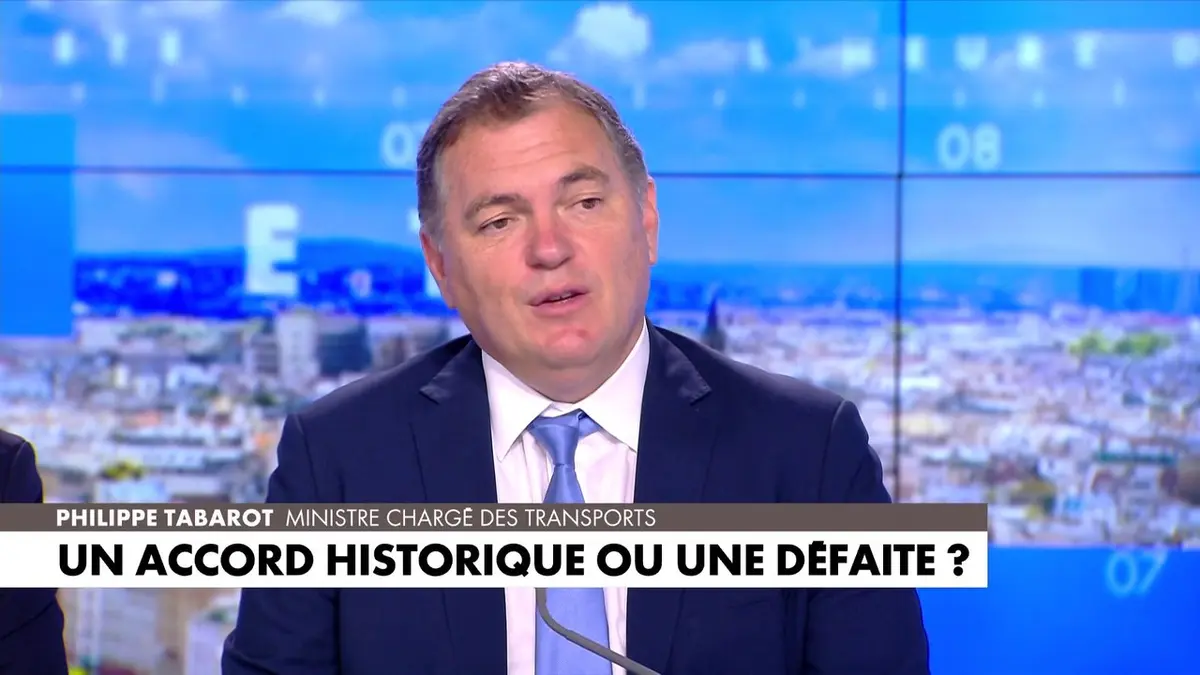
Philippe Tabarot, conversely, has remained aligned with the mainstream conservative establishment and currently serves within the government led by Michel Barnier. The regional rivalry is intensified by the fact that both men operate within the same local political sphere in Nice. The conflict highlights the difficulty of maintaining regional unity while national political allegiances undergo significant shifts. Observers note that the demand for exclusion is as much a tactical maneuver to weaken a regional rival as it is a response to the alleged incident.
Next Steps in the Dispute
The process for addressing such complaints against a member of the government is largely at the discretion of the Prime Minister. Because there is currently no legal investigation regarding the incident at the Palais des Congrès, the matter remains in the realm of political mediation rather than judicial proceedings. Under the French Constitution of 1958, the Prime Minister holds the authority to propose the appointment or removal of ministers to the President of the Republic, but such decisions are rarely made based on private disputes between parliamentarians without significant public or legal pressure.
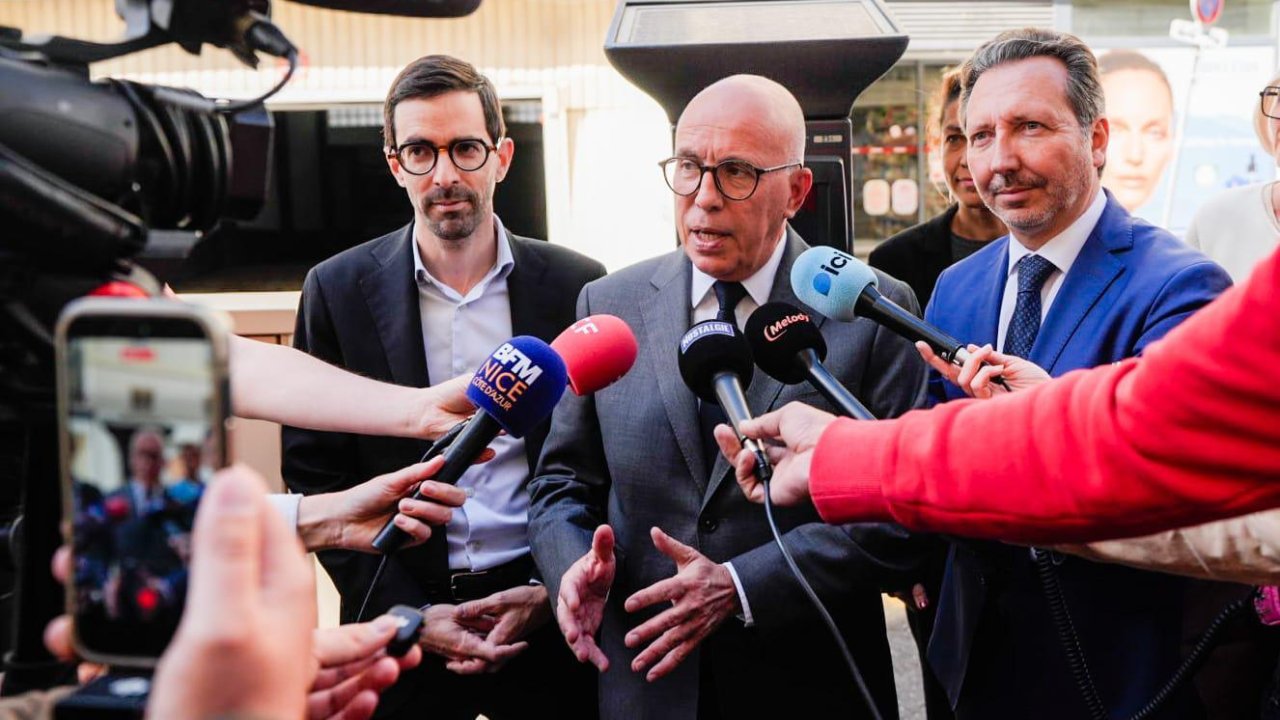
For the time being, the situation remains a stalemate. Mr. Ciotti has indicated he expects a response from the Prime Minister regarding the future of Mr. Tabarot’s ministerial post. Meanwhile, the Ministry of Transport has not issued a formal rebuttal to the specific accusations of intimidation. Further updates on this matter will likely emerge during the next session of the National Assembly or through official communications from Matignon.
Readers are encouraged to share their perspectives on the evolving political climate in the Alpes-Maritimes in the comments section below. For official updates on government appointments and statements, please consult the official government portal.
Worth a look