The Rise of Niche E-Commerce: A New Model for Artisanal Goods
In an era dominated by e-commerce giants prioritizing volume and broad product selections, a quiet revolution is underway. A growing number of independent online retailers are forging a different path, one built on specialization, rigorous curation, and direct relationships with artisans. This shift represents a fundamental rethinking of online commerce, prioritizing quality, authenticity, and ethical sourcing. The market for natural stone jewelry and Tibetan craftsmanship provides a compelling illustration of this emerging trend, demonstrating how a focused approach can thrive in a crowded digital landscape.
The appeal of these niche e-commerce platforms extends beyond simply offering unique products. Consumers are increasingly seeking transparency and a connection to the origins of the items they purchase. They want to understand the story behind the product, the skills of the artisans who created it, and the values of the businesses they support. This demand for mindful consumption is driving the growth of specialized online stores that prioritize these aspects.
This trend isn’t merely a consumer preference; it’s a response to the limitations of mass-market e-commerce. The sheer scale of platforms like Amazon and Alibaba often makes it difficult to ensure ethical sourcing, quality control, and fair compensation for artisans. Niche e-commerce businesses, by focusing on a specific product category and building direct relationships with producers, can address these concerns and offer a more sustainable and responsible alternative.
A French Boutique’s Journey: Éveil Oriental and the Tibetan Artisan Tradition
The story of Éveil Oriental, a French online retailer specializing in Tibetan and Nepalese crafts, exemplifies this new model. Founded in 2003 by Françoise, the business emerged from a perceived gap in the French market for authentic Buddhist and Tibetan items. Recognizing a growing interest in these cultural and spiritual traditions, Françoise established a business dedicated to sourcing and selling high-quality, ethically produced goods. Éveil Oriental distinguished itself from the outset by adopting a hands-on, independent approach to e-commerce.
Unlike many online retailers that rely on dropshipping or mass-produced imports, Éveil Oriental maintains complete control over its supply chain. Françoise personally selects products, manages inventory, handles photography, updates the website, processes orders, and provides customer service. This holistic approach allows for a level of quality control and personal connection that is often absent in larger e-commerce operations. This dedication to a personal touch has fostered a loyal customer base, with the company claiming over 12,000 verified customer reviews and a 98% satisfaction rate.
Sourcing from the Himalayas: Nepal and the Tibetan Diaspora
A core principle of Éveil Oriental’s business model is its commitment to sourcing directly from Nepal, with a particular focus on supporting artisans within the Tibetan diaspora. This decision reflects a desire to preserve traditional craftsmanship and ensure fair compensation for the individuals involved in the production process. The company deliberately avoids mass-produced items, prioritizing quality, authenticity, and ethical manufacturing practices. According to the United Nations High Commissioner for Refugees (UNHCR), Nepal hosts a significant Tibetan refugee population, with approximately 20,000 registered refugees as of December 2023. UNHCR
This direct sourcing approach allows Éveil Oriental to maintain a transparent and traceable supply chain. By working directly with artisans, the company can ensure that they receive a fair price for their work and that their cultural traditions are respected. The company emphasizes reasonable order quantities to support a sustainable economic balance for the artisans.
From Buddhist Objects to Natural Stone Jewelry
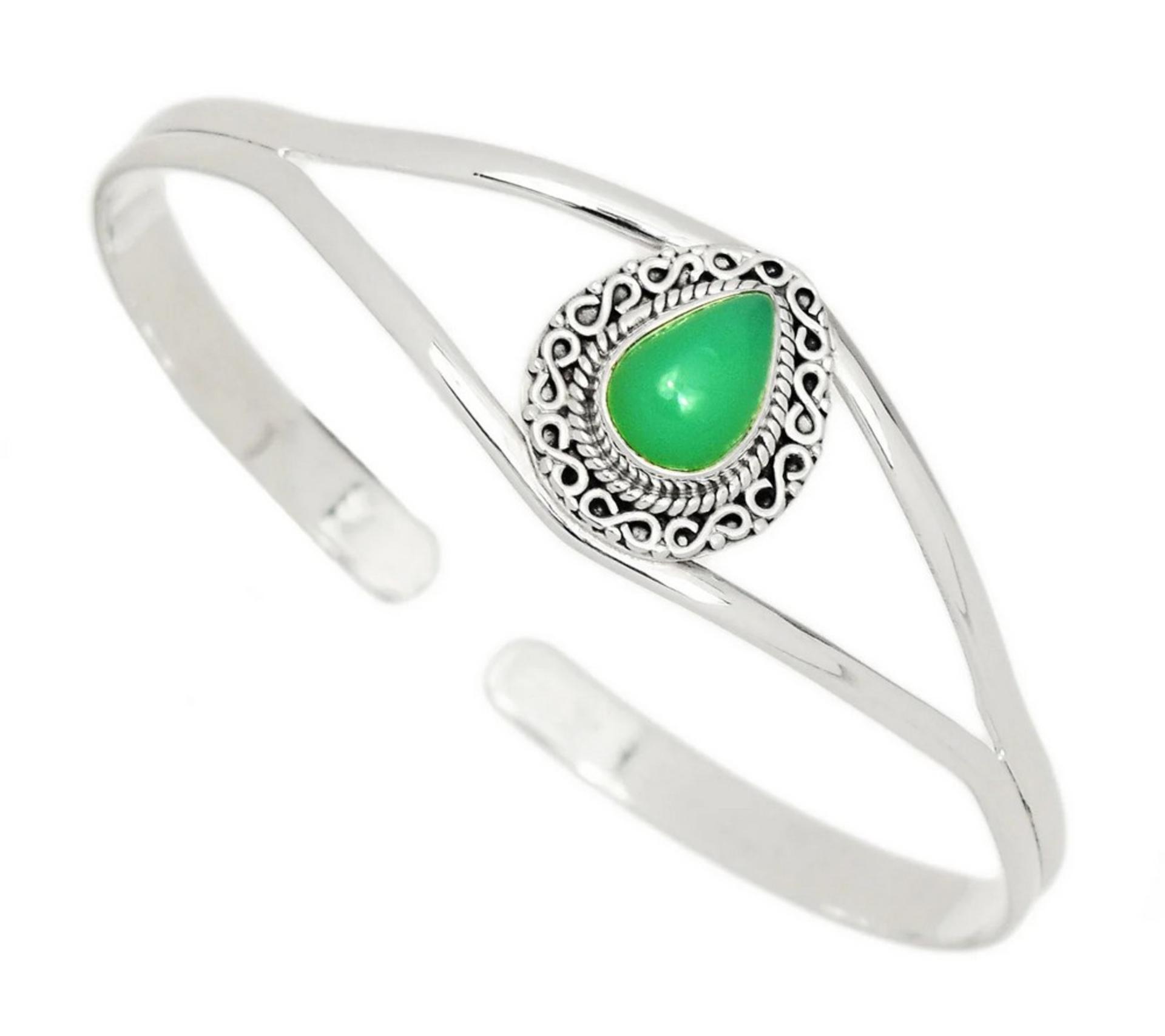
While initially focused on Buddhist objects, Éveil Oriental’s product range has evolved over time to include a significant collection of silver and natural stone jewelry. This expansion was driven by Françoise’s personal fascination with the beauty and diversity of gemstones. The jewelry is crafted using high-quality materials and precise techniques, aiming to make accessible pieces that are often unavailable or overpriced in traditional jewelry stores.
The selection process for these stones is meticulous, with each gem carefully chosen for its unique qualities. The stones are then entrusted to skilled artisans who specialize in cutting and setting, ensuring a technically flawless finish. A portion of the production process utilizes solar energy, demonstrating a commitment to environmental sustainability. This integration of eco-friendly practices aligns with the growing consumer demand for responsible and ethical products.
Navigating a Competitive Landscape: The Challenges and Rewards of Niche E-Commerce
Operating a niche e-commerce business in today’s competitive market presents unique challenges. The global e-commerce market was valued at approximately $5.54 trillion in 2022 and is projected to reach $8.13 trillion by 2028, according to Statista. Statista This growth is largely driven by major players like Amazon, Alibaba, and Shopify, making it difficult for smaller businesses to gain visibility. However, the benefits of specialization – a loyal customer base, a strong brand identity, and the ability to offer unique, high-quality products – can outweigh these challenges.
Éveil Oriental’s success demonstrates the viability of this model. The company’s commitment to customer service, with a direct line of communication available by phone, sets it apart from many larger online retailers. This personalized approach fosters trust and encourages repeat business. The company’s ability to ship orders from France within 48 hours similarly contributes to a positive customer experience, meeting the demand for fast and reliable delivery.
Beyond Commerce: Cultural Mediation and the Preservation of Tradition
Éveil Oriental’s role extends beyond simply selling products; it serves as a cultural bridge, connecting consumers with the rich traditions of Tibetan and Nepalese craftsmanship. By showcasing these unique items, the company contributes to the preservation of cultural heritage and supports the livelihoods of artisans in the Himalayas. This aspect of the business resonates with consumers who are increasingly seeking meaningful purchases that align with their values.
The company’s website and product descriptions provide valuable information about the origins and significance of the items it sells, educating customers about the cultural context behind the craftsmanship. This emphasis on storytelling and cultural awareness enhances the overall shopping experience and fosters a deeper appreciation for the artistry involved.
The Future of Specialized Online Retail
The success of businesses like Éveil Oriental suggests a growing appetite for a more curated and ethical approach to online shopping. As consumers become more discerning and demand greater transparency from the brands they support, niche e-commerce platforms are poised to thrive. This trend represents a shift away from the mass-market, one-size-fits-all model towards a more personalized and sustainable future for online retail.
The key to success in this evolving landscape will be a continued focus on quality, authenticity, and building strong relationships with both artisans and customers. By prioritizing these values, niche e-commerce businesses can carve out a unique space in the market and offer a compelling alternative to the dominance of larger platforms.
Looking ahead, the continued growth of the ethical consumerism movement and the increasing demand for unique, handcrafted goods will likely fuel further expansion in the niche e-commerce sector. The next step for companies like Éveil Oriental will be to continue innovating and adapting to the evolving needs of their customers, while remaining true to their core values of quality, authenticity, and ethical sourcing.
Key Takeaways:
- Niche e-commerce is gaining traction as consumers seek specialized products and ethical sourcing.
- Direct relationships with artisans are crucial for maintaining quality control and ensuring fair compensation.
- Transparency and storytelling are essential for building trust and connecting with customers.
- Sustainability and environmental responsibility are increasingly important considerations for consumers.
The future of e-commerce may well lie in the hands of these smaller, more focused businesses that prioritize people and planet alongside profit. Stay informed about the latest developments in ethical and sustainable commerce by following industry publications like GreenBiz and exploring resources from organizations like the Fair Trade Federation.
What are your thoughts on the rise of niche e-commerce? Share your experiences and opinions in the comments below. Don’t forget to share this article with your network to spread awareness about this exciting trend!
Related reading