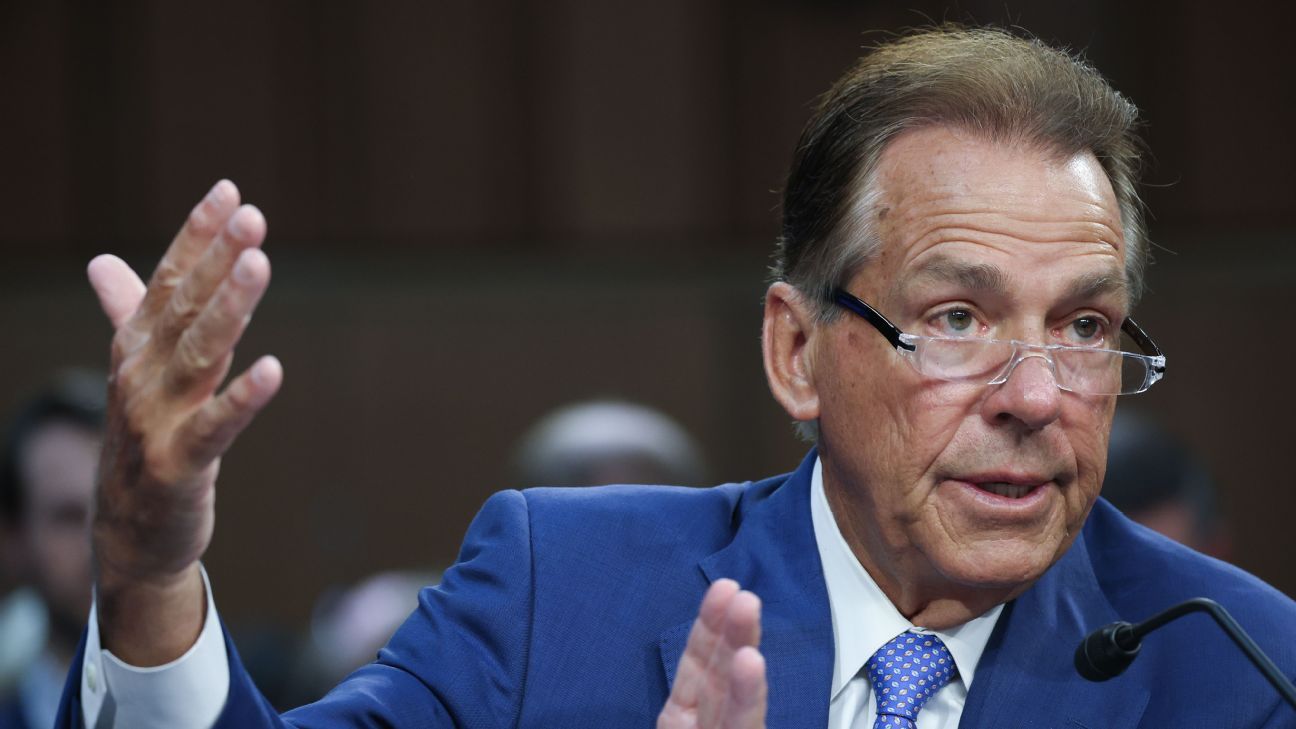
The landscape of collegiate athletics in the United States is undergoing a period of unprecedented volatility, driven by the rapid evolution of Name, Image, and Likeness (NIL) rights and the liberalization of transfer portal rules. For legendary former Alabama head coach Nick Saban, the current environment has reached a tipping point that threatens the very integrity of the student-athlete experience. Saban, who retired in January 2024 after a storied career, has taken his concerns to the highest levels of government, advocating for a federal framework to bring order to a system that he believes is currently operating without necessary guardrails.
In March 2024, Saban appeared before the United States Senate Committee on Banking, Housing, and Urban Affairs to provide testimony regarding the state of college sports. His presence underscored the urgency felt by many in the industry who argue that the lack of uniform national regulation has created a chaotic recruiting environment. The Protect College Sports Act, which has been a focal point of these discussions, seeks to establish a standardized approach to NIL compensation and athlete transfers, aiming to mitigate the influence of “pay-for-play” schemes that have reportedly become prevalent across Division I athletics.
The Case for Federal Oversight in Collegiate Athletics
During his testimony, Saban articulated a clear perspective: while he supports the rights of athletes to profit from their brand, the current model has devolved into a system where financial incentives often overshadow academic and athletic development. Saban noted that the lack of a centralized regulatory body has led to a “patchwork” of state laws, creating competitive imbalances and uncertainty for both institutions and the athletes themselves. According to NCAA policy documents, the organization has long urged Congress to intervene, citing the legal risks and logistical nightmares associated with managing fifty different state-level NIL regulations.
The central argument for federal intervention is the need for a national standard that ensures fair play and protects the amateurism model, which has historically been the bedrock of the collegiate system. Critics of the current state of affairs argue that the transfer portal, which allows athletes to move between schools with fewer restrictions than in previous decades, has turned college rosters into transient environments. Saban’s testimony emphasized that these shifts require a legislative solution that can provide clarity, consistency, and accountability for all parties involved.
Key Pillars of the Proposed Reform
The legislative efforts currently being debated, including the framework supported by Saban, focus on several critical areas aimed at stabilizing the collegiate ecosystem. These proposals generally include:
- Standardized NIL Contracts: Creating a national registry for NIL deals to ensure transparency and prevent illicit recruiting inducements.
- Transfer Portal Regulation: Establishing defined windows for athlete movement to maintain team stability and academic continuity.
- Anti-Trust Protections: Providing the NCAA and member conferences with the legal authority to enact and enforce rules without constant threat of litigation.
- Athlete Protections: Ensuring that student-athletes receive comprehensive health and educational benefits alongside their compensation.
As detailed in reports from the Senate Banking Committee, the challenge lies in balancing the rights of athletes—who are legally recognized as having the capacity to monetize their publicity—with the institutional desire to maintain a level playing field. The debate continues to draw attention from a wide array of stakeholders, including university presidents, athletic directors, and athlete advocacy groups, all of whom have divergent views on how much federal oversight is appropriate.
Understanding the Impact on Student-Athletes
While the focus of the debate often centers on coaching staff and university administrators, the primary stakeholders remain the athletes themselves. The transition to the NIL era has provided thousands of young men and women with significant financial opportunities, but it has also introduced new complexities regarding taxes, contracts, and eligibility. Educational institutions have had to pivot quickly, creating new support departments dedicated to NIL compliance and financial literacy for their student-athletes.
The uncertainty surrounding federal legislation has forced many athletic departments to operate in a state of constant adaptation. Without a clear signal from Washington, D.C., institutions are left to navigate shifting legal precedents, such as the Supreme Court’s 2021 ruling in NCAA v. Alston, which fundamentally altered the NCAA’s ability to limit education-related benefits. This landmark decision served as a catalyst for the current legislative push, as it signaled that the traditional model of collegiate athletics was facing significant legal headwinds.
What Happens Next?
The path to federal legislation remains complex and uncertain. While there is bipartisan interest in addressing the issues raised by Saban and other industry leaders, the specific mechanisms of any proposed bill face intense scrutiny. Legislative committees are expected to continue holding hearings and soliciting expert testimony throughout the remainder of the current session to refine the language of potential acts. For those following the developments, the official Congress.gov portal remains the most reliable source for tracking the status of the Protect College Sports Act and related committee reports.

the goal of these discussions is to reach a consensus that preserves the unique character of college sports while adapting to the realities of the modern media and financial landscape. Whether that manifests as a comprehensive federal law or a series of targeted regulatory updates remains to be seen. As the debate unfolds, the influence of figures like Nick Saban will likely continue to shape the narrative, keeping the conversation focused on the long-term sustainability of university athletics. We will continue to monitor these hearings as they progress and provide updates on any significant legislative movement.
What are your thoughts on the role of federal oversight in college athletics? Do you believe a national standard can effectively balance athlete rights with the needs of university programs? Share your perspective in the comments below, and be sure to subscribe to our newsletter for ongoing coverage of the intersection between sports and policy.
- Leicester Tigers Back Row Emeka Ilione Ruled Out Until End of 2026 With Shoulder Injury
- Rafa Jódar vs. Taylor Fritz: 2026 Washington Open Final Preview, Schedule, and How to Watch
- Daily Sports Guide: NPB Baseball, ATP Washington and Central American Games (archynewsy.com)
- Walking Habit Change May Protect Against Dementia (world-today-news.com)