
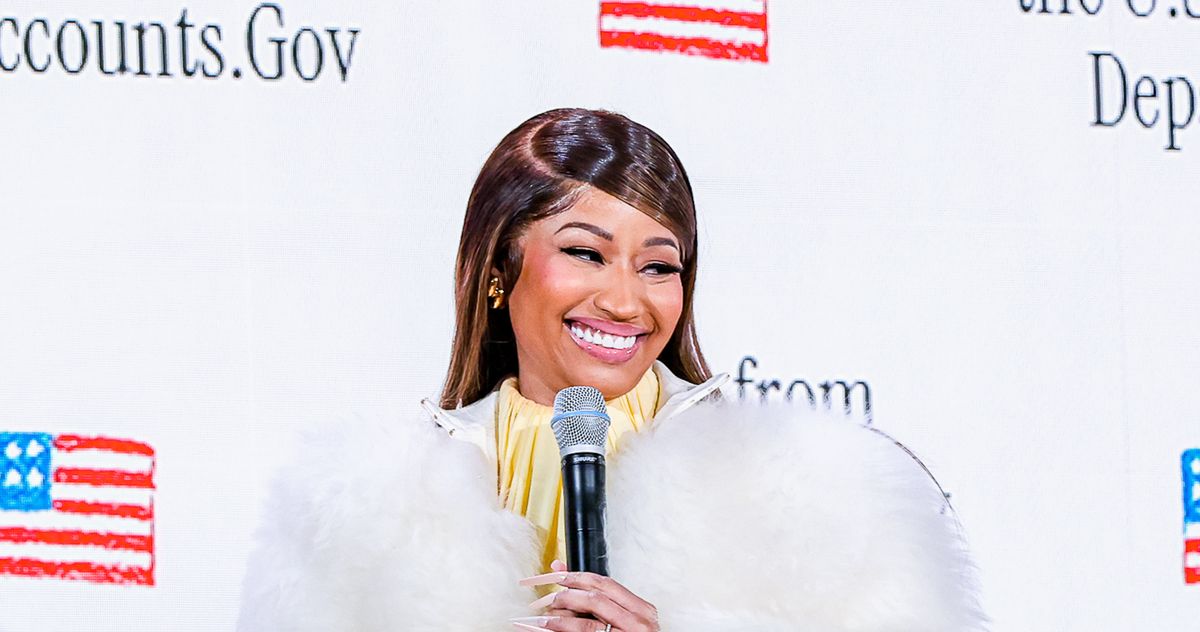
In the high-stakes intersection of global pop culture and American politics, few alignments have sparked as much conversation as the recent public support of Nicki Minaj for Donald Trump. As a figure who has dominated the rap landscape for over a decade, Minaj’s political leanings often carry significant weight, reflecting the shifting loyalties and ideological diversities within the hip-hop community.
The rapper recently opened up about the motivations behind her friendship and support for the former president, revealing that her political pivot is not merely a matter of policy, but a reaction to personal and professional conflicts. Specifically, Minaj suggested that her alignment with Trump is, in part, an extension of her long-standing and highly publicized disputes with other figures in the music industry, framing her support as a rejection of the cultural narratives associated with her rivals.
For a global audience, this development highlights a growing trend of “disruptor” alliances, where celebrities who view themselves as industry outsiders gravitate toward political figures who project a similar image of defiance against the establishment. By linking her political stance to her professional “beefs,” Minaj has added a layer of personal psychology to the typically rigid divide of partisan politics.
As the entertainment world watches the lead-up to the next electoral cycle, Minaj’s stance serves as a case study in how personal grievances and the desire for autonomy can override traditional political affiliations in the celebrity sphere.
The Intersection of Music Rivalries and Political Alignment
To understand why Nicki Minaj views her support for Donald Trump as an extension of her industry conflicts, one must look at the nature of her most prominent rivalry: the ongoing tension with Megan Thee Stallion. This conflict, which has played out across social media and through pointed lyrics in songs like “Hiss,” has been more than just a battle for chart dominance; it has been a clash of branding and perceived values.
Minaj has often positioned herself as a trailblazer who fought her way to the top of a male-dominated genre, often feeling isolated or targeted by the “industry machine.” In recent commentary, she has implied that the narratives surrounding her rivals are often tied to a specific brand of performative empowerment or “mainstream” approval that she finds disingenuous. By aligning with Donald Trump, she effectively distances herself from the cultural camp that she believes supports her detractors.

This tactical alignment is a common phenomenon in high-profile celebrity disputes. When an artist feels alienated by the “establishment”—whether that establishment is a record label, a group of peers, or a cultural movement—they often seek refuge in the opposite camp. For Minaj, Trump represents the ultimate “anti-establishment” figure, making him a natural ally for someone who feels they are fighting a lonely battle against a curated industry narrative.
the rapper has pointed to the strength and resilience of Trump’s public persona as a mirror to her own. Both have faced intense public scrutiny, accusations of aggression and attempts by media outlets to define their legacies. This shared experience of being “the villain” in the eyes of a specific critical class creates a psychological bond that transcends simple political agreement on tax codes or foreign policy.
The ‘Outsider’ Narrative and the Appeal of Strength
The attraction to Donald Trump for many in the entertainment world often stems from his image as a disruptor. For Nicki Minaj, whose career has been defined by breaking boundaries and challenging the status quo of female rap, the appeal of a leader who ignores traditional norms is palpable. She has frequently praised his ability to withstand immense pressure and his refusal to bow to critics, traits she has cultivated in her own public image as the “Queen of Rap.”
This “strongman” appeal is not unique to Minaj, but it is particularly potent coming from a woman in hip-hop. The genre has historically valued power, dominance, and unapologetic confidence—traits that Trump projects. By framing her support through the lens of strength, Minaj aligns her political choice with the very values that made her a superstar in the first place.
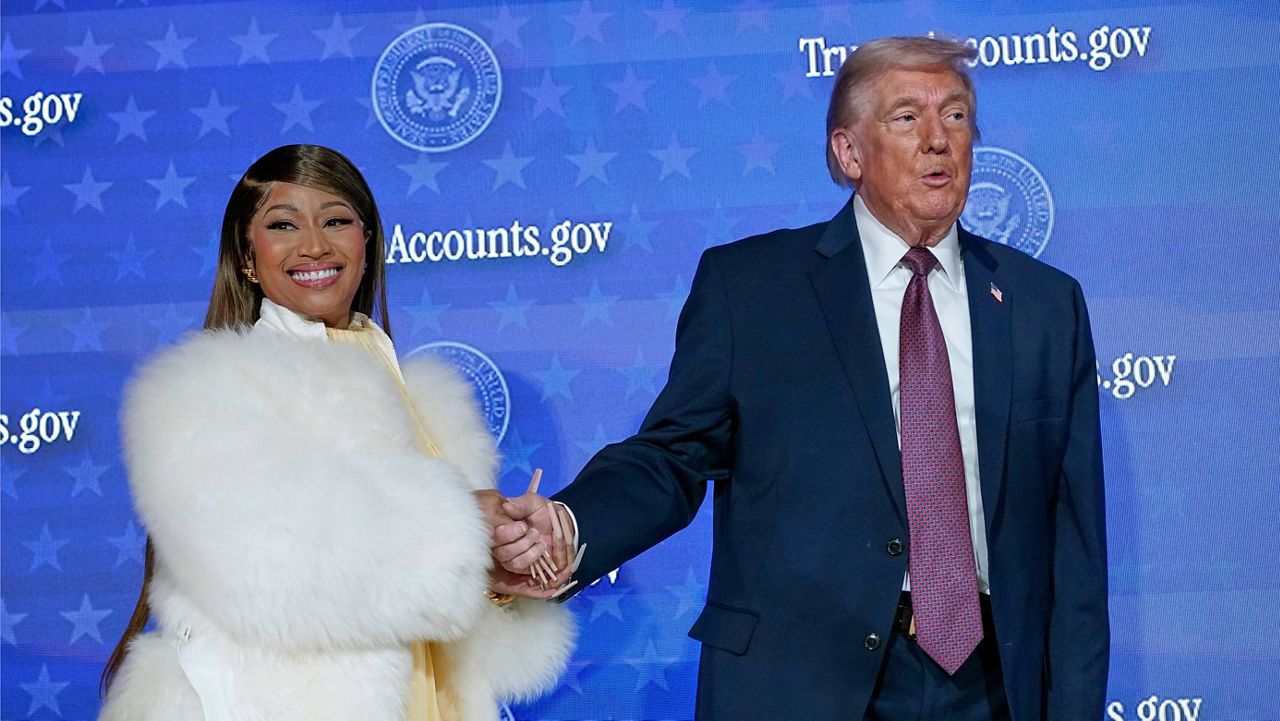
the shift reflects a broader trend within the Black community and the music industry where some individuals are questioning the monolithic nature of political loyalty. The idea that certain demographics must vote or think in a singular way is being challenged by figures like Minaj, who argue that individual autonomy and personal friendship should outweigh party expectations.
This movement toward individualism in politics is often a reaction to the feeling that traditional political parties take celebrity and minority support for granted. By endorsing a candidate who is viewed as the antithesis of the “liberal elite,” Minaj is asserting her independence and signaling that she cannot be predicted or boxed in by industry standards.
Impact on the Hip Hop Community and Global Fanbase
The reaction to Minaj’s support of Trump has been deeply polarized. For some of her “Barbz”—her fiercely loyal global fanbase—her political choices are irrelevant compared to her musical output. To them, her autonomy is a sign of strength. For others, however, the endorsement is seen as a betrayal of the social and political struggles that hip-hop has historically championed.
Hip hop has long been a vehicle for social commentary and a voice for the marginalized. The tension arises when a leading figure in the genre supports a political platform that critics argue is detrimental to those same marginalized groups. This creates a friction point where the “art” of the disruptor clashes with the “politics” of the activist.
However, the influence of celebrity endorsements is evolving. In the digital age, a single post or interview can shift the conversation for millions of young voters. While Minaj may not be flipping entire voting blocs, she is normalizing the idea that hip-hop artists can hold conservative or unconventional views. This diversification of thought within the industry could lead to more nuanced political discussions in future albums and interviews.
The global impact is equally significant. As an artist with listeners in every corner of the world, Minaj’s public friendship with a former U.S. President brings American political polarization to a global stage. It demonstrates how the “celebrity-politician” pipeline is no longer just about running for office, but about using political alignment as a tool for personal branding and cultural warfare.
Navigating the Backlash: Brand Management in a Polarized Era
For any artist of Minaj’s stature, a political pivot comes with inherent risks. The potential for “cancel culture” is high, especially when aligning with a figure as divisive as Donald Trump. Yet, Minaj has historically proven herself to be one of the most resilient figures in the industry. Her ability to navigate controversies—from legal battles to rap wars—has prepared her for the inevitable backlash.
Her strategy appears to be one of transparency and defiance. Rather than hedging her bets or issuing a carefully worded PR statement, she has been direct about her friendship and her reasons. This authenticity, even when controversial, often resonates more with modern audiences than corporate-sounding apologies.
From a brand perspective, this move may actually strengthen her bond with a segment of the population that feels ignored by the entertainment industry. By embracing a “forbidden” political alliance, she positions herself as a truth-teller who is unafraid of the consequences. This adds to the “legend” of Nicki Minaj—the artist who does whatever she wants, regardless of the rules.
The challenge moving forward will be balancing this political identity with her commercial interests. While her core fanbase remains steadfast, corporate partnerships and award show invitations can be sensitive to political volatility. However, given her independent wealth and massive streaming numbers, Minaj is in a unique position where she no longer needs to rely on traditional industry gatekeepers for survival.
Key Takeaways on Minaj’s Political Shift
- Personal over Political: Minaj views her support for Donald Trump as a personal choice influenced by her experiences with industry rivals and a shared “outsider” mentality.
- The ‘Beef’ Connection: Her alignment is partly a reaction to the cultural narratives pushed by her detractors, specifically within her rivalry with Megan Thee Stallion.
- Disruptor Branding: The endorsement mirrors her own professional brand of defiance, strength, and rejection of establishment norms.
- Industry Impact: Her stance challenges the political monolith of the hip-hop community, encouraging a more individualized approach to political identity.
- Resilience Strategy: By being transparent about her views, Minaj leverages her history of controversy to maintain authenticity with her fanbase.
What Happens Next?
As the 2024 election cycle progresses, the role of celebrity influencers will only increase. Whether Nicki Minaj takes a more active role in campaigning or maintains her support as a personal friendship remains to be seen. However, her current stance has already shifted the conversation regarding the intersection of rap, rivalry, and Republican politics.
The next major checkpoint for this narrative will be the upcoming official campaign rallies and the release of any new music from Minaj, where fans will be listening closely for lyrical references to her political alliances or further jabs at her industry rivals. As the political climate heats up, the “Queen of Rap” has ensured that she is not just a spectator, but a provocative participant in the national discourse.
We want to hear from you. Do you think celebrity political endorsements are based on genuine belief or strategic branding? Share your thoughts in the comments below and share this article with your network to keep the conversation going.