When it comes to the landscape of modern cinema, few actors command the screen—or the conversation—quite like Nicolas Cage. Although he is often celebrated for his more eccentric and high-energy performances, there is a specific subset of his filmography that blends intellectual tension with large-scale spectacle. Among these is a frequently overlooked gem from the late 2000s that manages to be both a cerebral puzzle and a visceral experience.
For fans of the genre, the 2009 sci-fi disaster movie Knowing stands as a compelling example of how to blend a creepy, predictive plot with the sheer scale of a global catastrophe. Directed by Alex Proyas, the film avoids some of the typical tropes of the disaster genre, opting instead for a narrative rooted in mystery and a sense of impending, inevitable doom.
The film’s strength lies in its ability to maintain a haunting atmosphere while delivering the high-octane sequences audiences expect from a blockbuster. By focusing on the psychological toll of knowing the future, it elevates itself from a simple “end-of-the-world” scenario to a study of desperation and fate.
A Puzzle of Predictions and Catastrophe
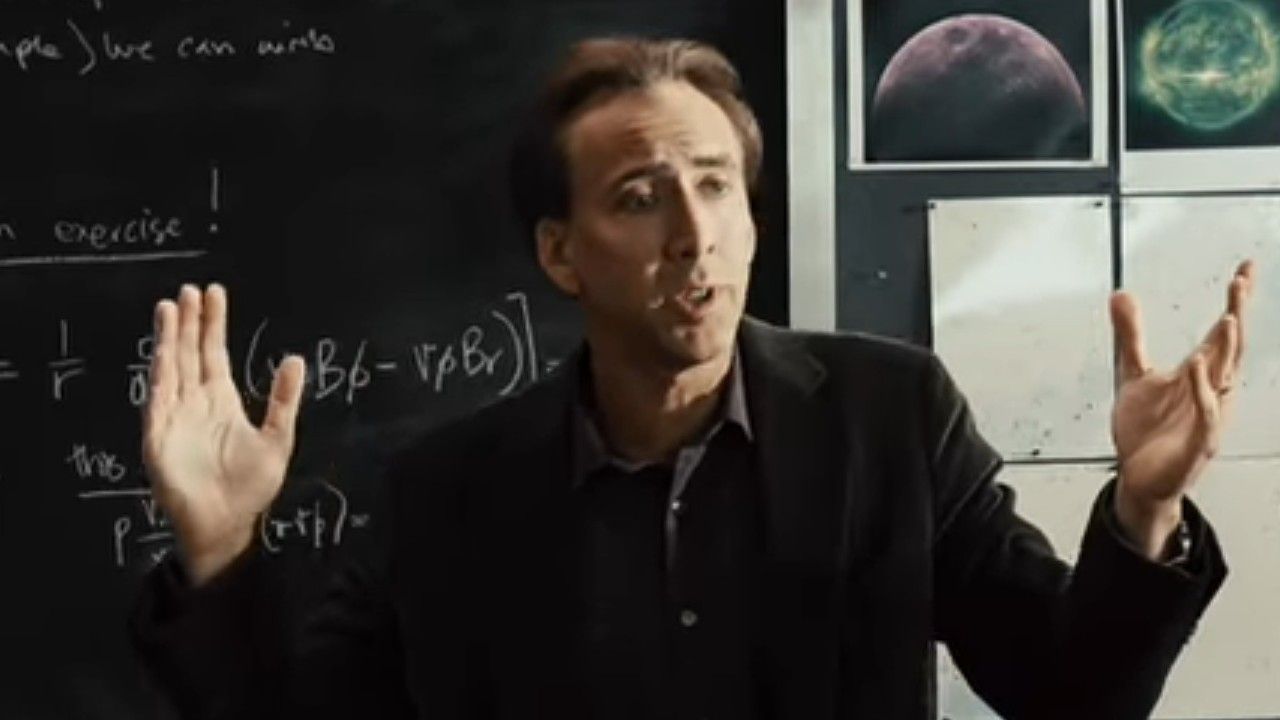
At the heart of the story is John Koestler, an MIT astrophysicist played by Nicolas Cage. The plot is set in motion when Koestler discovers a mysterious piece of paper filled with a long list of numbers. These numbers were originally found in a time capsule buried decades earlier, and as Koestler begins to analyze them, he realizes they are not random digits but a precise chronological record of every major global disaster over the past 50 years.

The tension escalates as Koestler discovers that the list continues into the future, predicting upcoming disasters with terrifying accuracy. According to IMDb, the narrative follows Koestler as he attempts to link these numbers to past and future events in a desperate bid to prevent an ultimate, final catastrophe.
Unlike many films in the disaster category, Knowing focuses heavily on the “creepy” factor of its premise. The realization that these events are predetermined creates a suffocating sense of dread that permeates the first two acts of the film, making the eventual payoffs more impactful.
The Vision of Alex Proyas
The film was directed and co-produced by Alex Proyas, a filmmaker known for his distinct visual style and atmospheric world-building. Proyas previously demonstrated his ability to create haunting, stylized environments in films such as Dark City and The Crow, and he brings that same auteur sensibility to Knowing.
To achieve the film’s specific seem, production took place at Docklands Studios in Melbourne, Australia, though the locations were used to represent a Boston-area setting Wikipedia. This choice allowed the production to maintain a controlled aesthetic while still capturing the urban feel necessary for the story’s progression.
The film is particularly noted for its realistic and horrifying depictions of disaster. Rather than relying on generic CGI explosions, the movie features sequences—such as a plane crash and a train derailment—that are rendered with a visceral intensity designed to set it apart from typical disaster cinema.
Commercial Performance and Critical Reception
From a financial standpoint, Knowing proved to be a success for its backers. The film was produced with a budget of $50 million and went on to gross $186.5 million at the worldwide box office Wikipedia. The movie earned $27.7 million through home video sales, demonstrating a strong appetite for the sci-fi thriller blend.
Critically, the film received a mixed-to-negative reception. While many critics praised the acting performances—particularly Nicolas Cage’s ability to portray a grounded, “normal” character thrust into an extraordinary situation—and lauded the film’s visual style and atmosphere, others were more critical. Some reviewers pointed to certain implausibilities within the plot and expressed dissatisfaction with the film’s conclusion.
Key Production Details
| Detail | Information |
|---|---|
| Release Date | March 20, 2009 |
| Director | Alex Proyas |
| Budget | $50 million |
| Worldwide Box Office | $186.5 million |
| Production Companies | Summit Entertainment, Escape Artists, Mystery Clock Cinema |
Why It Remains Relevant Today
In an era of endless sequels and franchise filmmaking, Knowing represents a time when mid-budget science fiction thrillers could still take big swings with their narratives. The film’s exploration of fate versus free will, combined with the curiosity of a mathematical puzzle, gives it a layer of depth that persists long after the credits roll.
For viewers who enjoy the “puzzle” aspect of cinema, the film’s premise remains a captivating hook. The idea that the future could be written in a simple list of numbers is a classic sci-fi trope, but the execution here—driven by Proyas’s eye for detail and Cage’s nuanced performance—makes it a journey worth revisiting.
Whether you are a fan of Nicolas Cage’s more subdued work or a devotee of the disaster genre, Knowing offers a unique blend of intellectual curiosity and cinematic spectacle that continues to resonate with audiences who appreciate a darker, more atmospheric approach to the end of the world.
While Notice no currently scheduled remakes or sequels for the film, its legacy lives on in the discussions of 2000s-era sci-fi. We invite our readers to share their thoughts on the film’s ending and its predictions in the comments below.
Keep reading