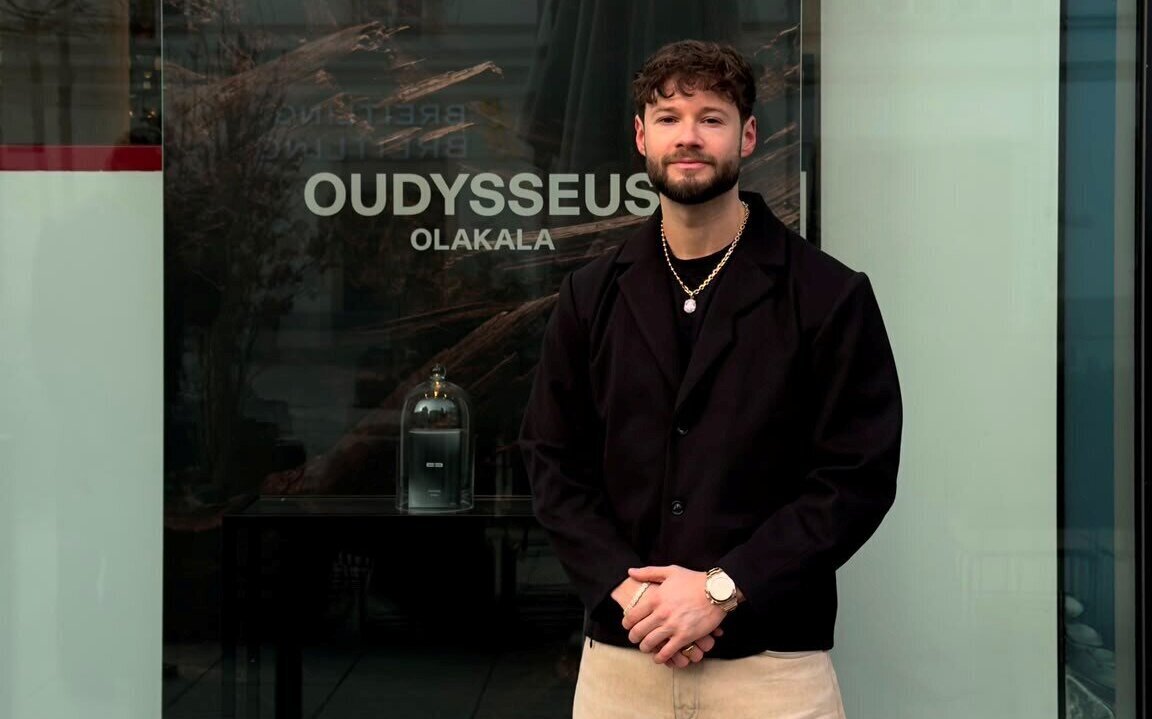
Digital Shift: How Stuttgart-Based Creator Nicolas Lazaridis Navigates the New Entertainment Economy
Nicolas Lazaridis, a content creator based in Stuttgart, Germany, has established a significant digital footprint by generating millions of views through non-traditional media channels. Eschewing standard employment trajectories, Lazaridis represents a growing demographic of independent entertainers who leverage social media platforms to build global audiences and bypass traditional media gatekeepers.
The rise of creators like Lazaridis highlights a fundamental shift in how entertainment is produced and consumed. While traditional career paths in media once required institutional backing from television networks or film studios, the current digital landscape allows individuals to build scalable businesses through algorithmic engagement and direct audience connection. This transition is particularly evident in regional hubs like Stuttgart, where digital innovation is increasingly intersecting with traditional media consumption patterns.
The Departure from Traditional Career Models
The career of Nicolas Lazaridis serves as a case study for the “creator economy,” a sector where individuals monetize their skills, personalities, and content directly through digital platforms. Unlike conventional media professionals who progress through hierarchical structures in broadcasting or journalism, digital creators often operate as solo entrepreneurs, managing everything from production and editing to brand partnerships and community management.

This shift is driven by the accessibility of high-quality production tools and the decentralization of distribution. Previously, reaching a mass audience required significant capital investment in broadcasting infrastructure. Today, the barrier to entry has lowered, allowing creators to focus on niche content that resonates with specific demographics. However, this accessibility has also led to an increasingly saturated market, where visibility is dictated by platform algorithms rather than editorial curation.
For creators in Germany, this transition involves navigating both local cultural preferences and global platform standards. The ability to achieve “millions of views” indicates a successful mastery of these algorithms, which prioritize engagement metrics such as watch time, click-through rates, and audience retention. As Lazaridis has demonstrated, success in this field requires a blend of creative talent and technical understanding of how digital platforms distribute information.
Mechanics of Digital Engagement and Audience Scaling
Achieving high-volume viewership is rarely a matter of chance. It requires a sophisticated understanding of the recommendation engines used by platforms like YouTube, TikTok, and Instagram. These algorithms analyze user behavior to serve content that is most likely to keep a viewer on the platform. For a creator to scale from a local audience to millions of views, they must produce content that satisfies both the platform’s technical requirements and the audience’s psychological triggers.
Key drivers of this scale include:

- Algorithmic Optimization: Using metadata, thumbnails, and specific pacing to trigger platform recommendations.
- Engagement Loops: Creating content that encourages comments, shares, and likes, which signals to the algorithm that the content is high-value.
- Niche Authority: Building a loyal core audience that provides the initial momentum needed for a video to “go viral.”
The economic implications of these views are substantial. Through various monetization models—including advertising revenue (AdSense), direct fan support, and brand integrations—creators can transform digital attention into a sustainable livelihood. This has created a new class of “digital entrepreneurs” who operate outside the traditional social security and employment frameworks of the German labor market, presenting new challenges for tax authorities and social welfare systems.
The Impact on the German Media Landscape
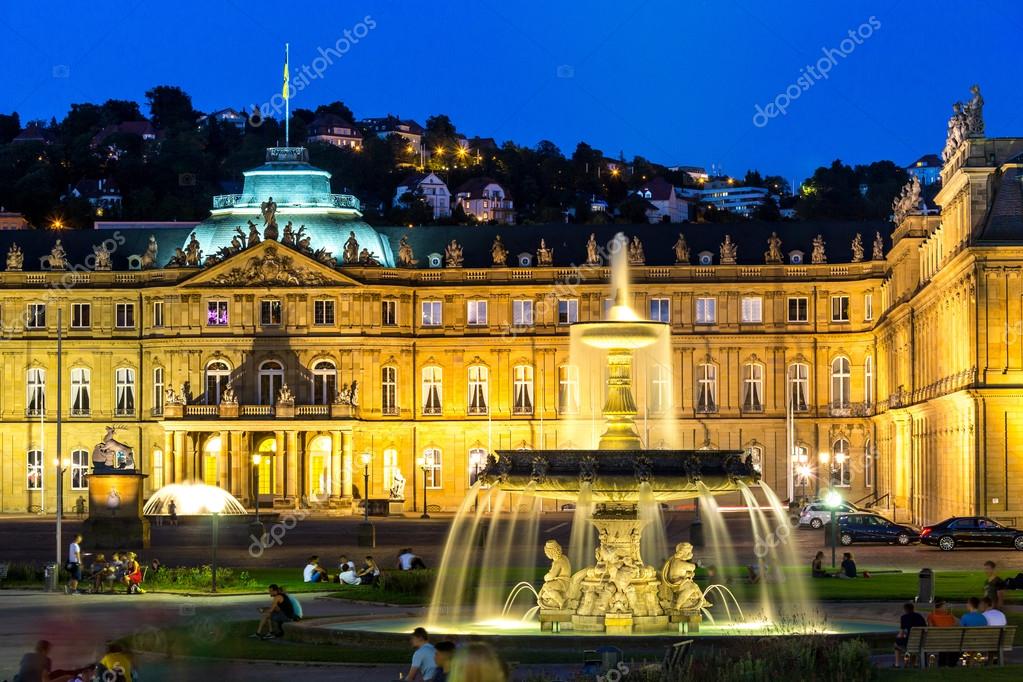
The success of creators in regions like Baden-Württemberg is forcing traditional German media outlets to reassess their engagement strategies. As younger demographics migrate toward short-form video and personality-driven content, legacy broadcasters are increasingly attempting to integrate social media creators into their ecosystems to capture lost attention.
This tension between “old media” and “new media” is reshaping the professional landscape in Germany. While traditional outlets offer stability and institutional prestige, digital creators offer agility and direct access to evolving trends. The emergence of figures like Lazaridis suggests that the future of entertainment in Germany will likely be a hybrid model, where the distinction between a “celebrity” and a “content creator” becomes increasingly blurred.
The regional economic impact is also notable. As digital entertainment grows, there is an increasing demand for specialized services in the Stuttgart area, including video editing, digital marketing, and talent management, further diversifying the local tech and media economy.
Comparison of Media Models
| Feature | Traditional Media | Digital Creator Model |
|---|---|---|
| Gatekeepers | Studio Executives/Editors | Algorithms/Audience |
| Barrier to Entry | High (Capital Intensive) | Low (Tool Intensive) |
| Audience Connection | One-to-Many (Passive) | Many-to-Many (Interactive) |
| Revenue Source | Ads/Subscriptions/Licensing | Ads/Sponsorships/Direct Support |
Sustainability and the Future of Independent Content
Despite the high visibility of successful creators, the digital entertainment industry remains volatile. The reliance on third-party platforms means that a single change to an algorithm can drastically reduce a creator’s reach and income. This “platform risk” is a primary concern for professionals operating within the creator economy.
To mitigate these risks, many successful creators are moving toward “platform independence,” building owned audiences through email lists, private communities, or independent websites. This strategy allows them to maintain a direct relationship with their followers regardless of changes to social media policies. For the next generation of German creators, the goal is shifting from mere “views” to “audience ownership.”
As digital infrastructure continues to improve and global connectivity expands, the potential for regional creators to influence global trends will only increase. The trajectory seen in the profiles of individuals like Nicolas Lazaridis suggests that the era of the centralized media mogul is giving way to an era of decentralized, highly specialized digital entertainers.
Industry analysts will continue to monitor how these digital-first career paths integrate with national labor laws and how platforms adjust their monetization policies to accommodate the growing number of independent professionals.
Next Milestone: Digital media analysts are expected to release updated reports on the valuation of the global creator economy in the coming fiscal quarter, which will provide further data on the sustainability of these independent career paths.
What are your thoughts on the shift from traditional TV to digital creators? Do you think this is a sustainable career path for the long term? Share your comments below and share this article with your network.