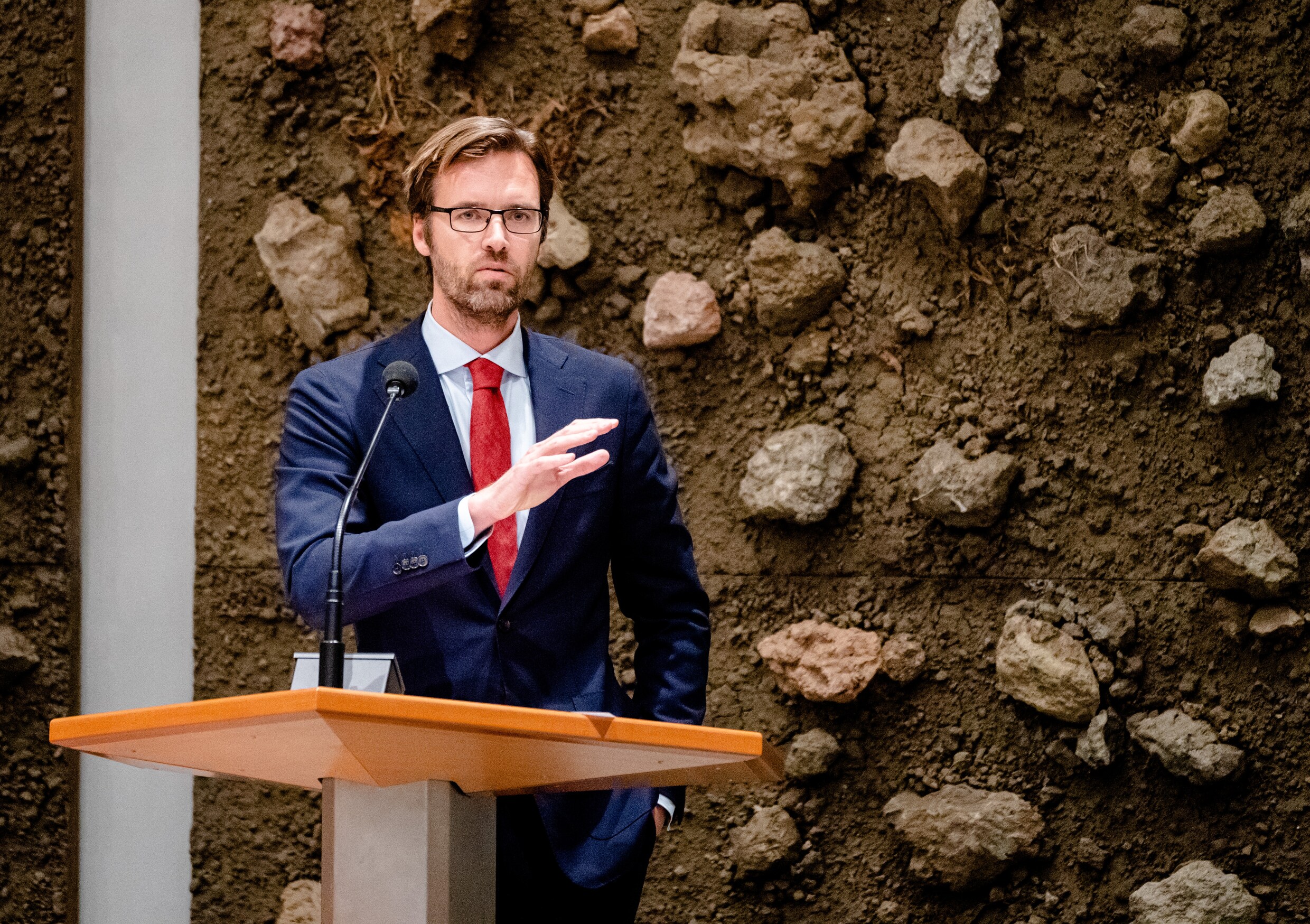
The Dutch coalition government is facing renewed political instability following a contentious agreement regarding development aid and international policy, a deal that has drawn sharp criticism from opposition parties and internal coalition partners. The controversy centers on the role of Sjoerd Sjoerdsma, a member of the D66 party, and the broader implications for the current administration’s legislative agenda, according to reports from the NRC and the Leeuwarder Courant. As the government attempts to balance conflicting priorities within its four-party framework, the recent friction over development cooperation and proposed security legislation has highlighted deep-seated distrust within the parliamentary landscape.
The core of the dispute involves the “Sjoerdsma affair,” a sequence of events that opposition leaders argue demonstrates a lack of coordination and transparency within the cabinet. While the government sought to reach a compromise to maintain its majority, the resulting agreement has been characterized by several factions as a “false start” for the new administration. The political tension is exacerbated by the VVD’s insistence on linking support for development aid to the introduction of stricter terrorism-related legislation, a move that has been formally submitted for parliamentary review, as noted by NU.nl.
The Intersection of Development Aid and Security Policy
The recent legislative maneuvering highlights how the four-party coalition is attempting to reconcile ideological differences. The VVD, which has historically prioritized security and fiscal restraint, conditioned its support for continued development cooperation on the government’s commitment to specific counter-terrorism measures. According to official parliamentary records, the cabinet has now formally introduced the requested terrorism-related legislation, a step intended to secure internal party unity while addressing long-standing security concerns, as reported by Trouw.
This “quid pro quo” approach to governance has ignited a debate regarding the integrity of policy-making. Critics argue that linking humanitarian aid to unrelated security laws undermines the effectiveness of foreign policy. Conversely, proponents within the coalition suggest that such trade-offs are a necessary component of coalition management in a fragmented political environment. The fiscal implications of these shifts remain under review, with the government expected to outline the budgetary impact of these policy changes in the coming months, based on statements provided by the Ministry of Finance.
Opposition Reaction and Legislative Trust
The opposition has reacted to the Sjoerdsma deal with skepticism, arguing that the cabinet’s handling of these negotiations signals a deeper dysfunction. In the Dutch House of Representatives, several factions have called for greater transparency regarding how these internal deals are brokered. The Leeuwarder Courant has noted that the level of distrust from opposition parties has reached a significant peak, potentially complicating future legislative efforts, including the upcoming annual budget discussions.

The controversy is not merely procedural but reflects a broader disagreement over the direction of the current administration. By prioritizing internal consensus through high-stakes bargaining, the government risks losing the public’s confidence in its ability to govern effectively. The lack of clear communication regarding these internal agreements has allowed for speculation and criticism, which the coalition is now struggling to contain. As the government moves forward, it will need to navigate these parliamentary hurdles while maintaining a delicate balance between its diverse coalition members.
What Happens Next in the Legislative Timeline
The next phase of this political process will involve formal debates in the House of Representatives regarding the proposed terrorism legislation and the revised development aid framework. These sessions are critical for the cabinet, as they will serve as a litmus test for the coalition’s durability. The government is expected to release further details on the implementation of these policies following the parliamentary summer recess, according to the official calendar of the Dutch House of Representatives.
Observers are monitoring whether the cabinet can move past the current impasse or if the “chaotic” nature of the recent deal-making will become a recurring theme. The ability of the Prime Minister and the coalition leaders to foster a more stable environment will likely determine the success of their broader policy goals throughout the legislative year. Public updates and transcripts of the upcoming debates will be available on the official website of the Tweede Kamer for those following the developments closely.
As the situation evolves, we will continue to monitor the parliamentary response and the impact of these policy shifts on the broader Dutch political landscape. Please share your thoughts in the comments section below or join the conversation by sharing this analysis with others interested in global economic and political trends.
Related reading