
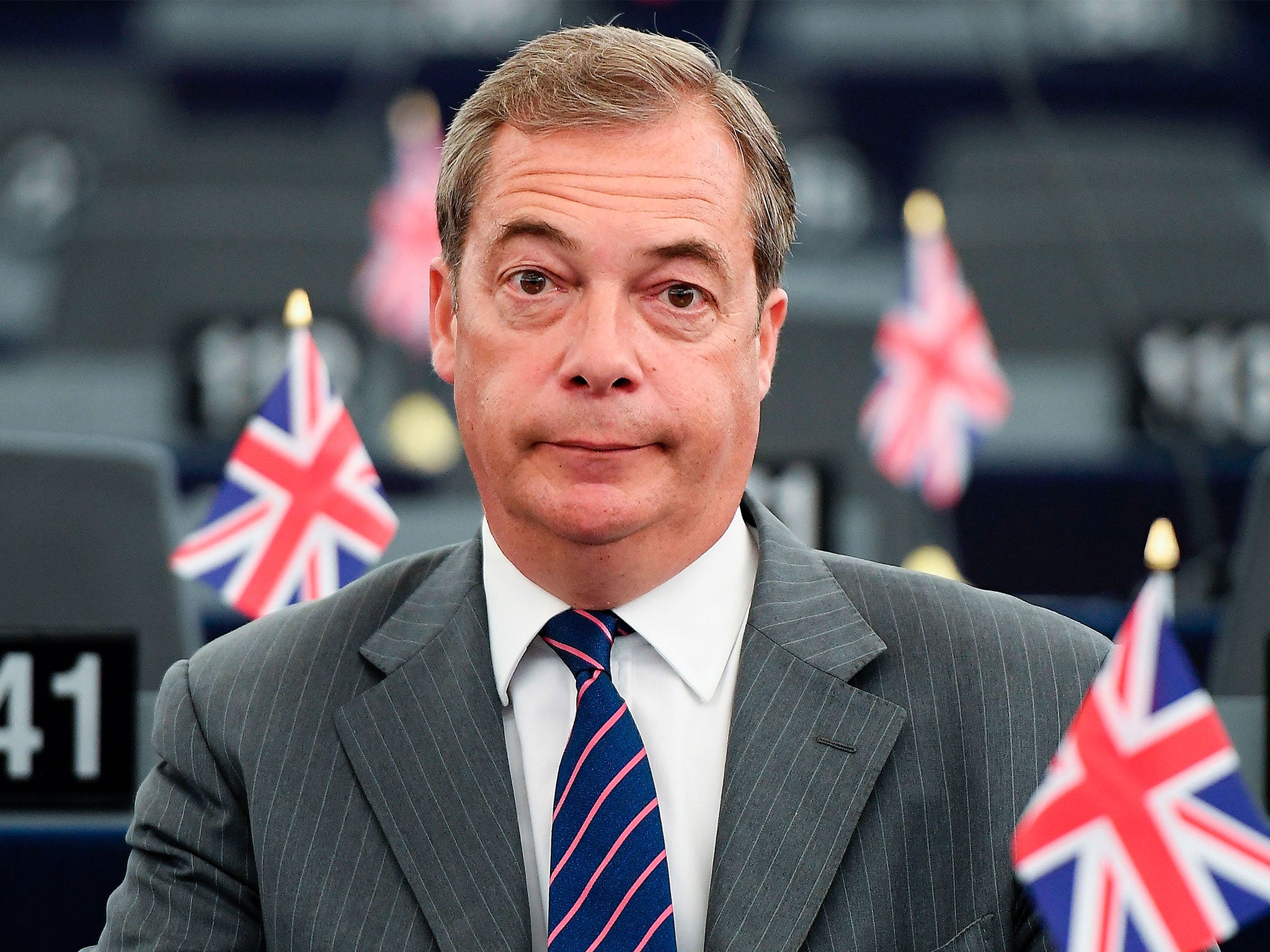
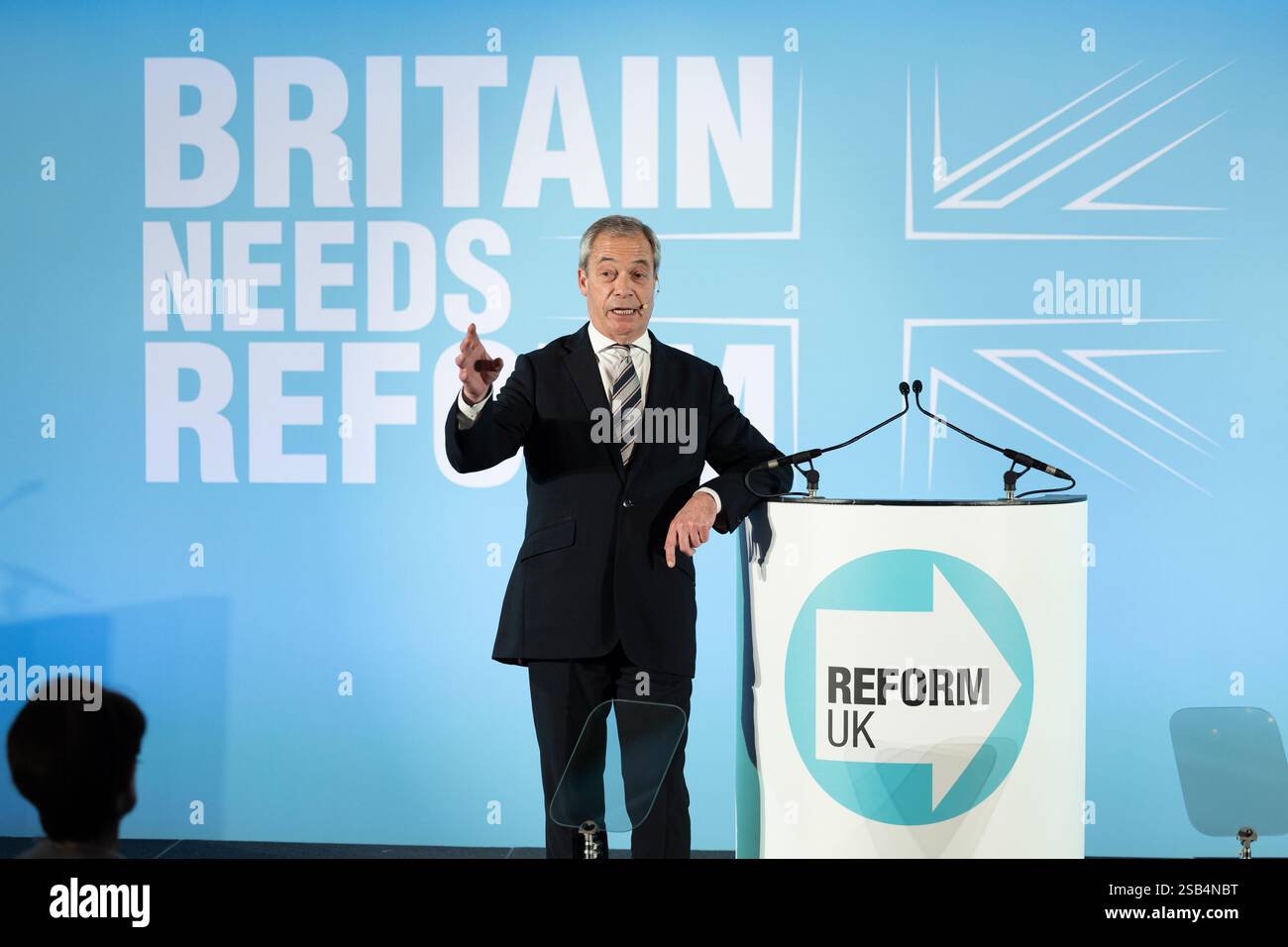
Reform UK leader Nigel Farage has initiated formal legal action against the BBC, demanding an urgent apology following a contentious appearance on the broadcaster’s flagship political programme, Newsnight. Lawyers representing the Member of Parliament for Clacton have formally challenged the network, alleging that the programme’s host engaged in defamatory conduct by “racialising” the politician’s responses during a high-profile interview.
The dispute centres on an exchange regarding civil unrest and community cohesion, a topic that has dominated the UK political agenda following the violent disorder seen in various towns and cities in early August 2024. The legal correspondence, which has been reviewed by several news organisations, claims the line of questioning was not only biased but crossed the threshold into character assassination by misrepresenting Mr. Farage’s political platform. As of this writing, the BBC has maintained its editorial independence, stating that its coverage of the riots and subsequent political discourse has been conducted with due impartiality as mandated by the Ofcom Broadcasting Code.
The Core of the Legal Dispute
At the heart of the complaint is the allegation that the Newsnight interview unfairly framed Mr. Farage’s commentary on social integration through a racialised lens. Legal representatives for the Reform UK leader argue that the host’s persistent questioning—which sought to link his previous rhetoric to the motivations of those participating in the disorder—constituted a defamatory mischaracterisation of his political objectives. In legal terms, the letter suggests that the framing of the interview caused serious harm to Mr. Farage’s reputation, a requirement for defamation claims under the Defamation Act 2013.
For observers of British media, this incident is the latest in a long-standing series of tensions between Mr. Farage and the national broadcaster. The Reform UK leader has frequently accused the BBC of systemic bias, often citing its coverage of Brexit and immigration policy as evidence of a “metropolitan liberal” worldview. Conversely, the BBC has consistently defended its output, citing its obligation to hold public figures to account and provide a robust platform for political scrutiny, even when those exchanges become adversarial.
Regulatory Standards and Editorial Impartiality
The BBC operates under a rigorous set of editorial guidelines designed to ensure that its political reporting remains impartial, accurate and fair. Any allegation of defamation against a broadcaster of this scale is significant, as it touches upon the delicate balance between aggressive investigative journalism and the legal protections afforded to public figures.
The incident has reignited the debate regarding the role of the BBC in the digital age. Critics of the corporation often point to the “licence fee” model as a reason for stricter oversight, while supporters argue that the ability to host difficult, uncompromising interviews is a hallmark of a healthy democracy. According to the BBC’s own complaints framework, the organisation is required to investigate claims of editorial failure, though this process is distinct from the civil litigation now being threatened by the Reform UK leader’s legal team.
What Happens Next?
As the legal correspondence remains in its preliminary stages, both parties are effectively positioning themselves for a potential escalation. Mr. Farage’s lawyers have reportedly requested a formal apology and a retraction of the remarks made during the broadcast. The BBC, meanwhile, has yet to issue a public statement confirming whether it will comply with these demands or contest them in court.
For the public, this legal standoff serves as a reminder of the increasing litigiousness surrounding political discourse in the UK. Should the matter proceed to a formal claim, it could set a notable precedent for how television hosts interact with populist political leaders in the future. Legal experts note that defamation cases in the UK are notoriously complex, requiring the claimant to prove that the statements resulted in, or are likely to cause, “serious harm” to their reputation.
The next checkpoint in this developing story will be the formal response from the BBC’s legal department. Any further developments regarding potential court filings or a mediated settlement will likely be announced through official statements from both the Reform UK press office and the BBC’s corporate communications team. We will continue to monitor the situation closely as more information becomes available.
What are your thoughts on the balance between political accountability and the protection of reputation in broadcast media? We invite our readers to share their perspectives in the comments section below.
Worth a look