The Nigerian government has officially requested an investigation into the deaths of two of its nationals in South Africa, amid an ongoing increase in anti-migrant sentiment and reports of police brutality. Abuja’s Ministry of Foreign Affairs confirmed it is engaging with South African authorities to address these incidents, which have sparked diplomatic tensions between the two nations.
According to the Nigerian government, one of the deceased individuals allegedly died while in police custody following what officials described as “gruesome interrogation techniques.” This development comes as South Africa grapples with persistent social friction regarding migration, often manifesting in localized unrest or targeted violence against foreign nationals. The Nigerian High Commission in Pretoria is currently coordinating with local law enforcement to verify the circumstances surrounding these deaths.
Diplomatic Engagement and Official Inquiries
The Nigerian government has formally expressed its concern regarding the treatment of its citizens, emphasizing the need for transparency in the judicial and police processes in South Africa. The Ministry of Foreign Affairs in Abuja issued a statement noting that it is closely monitoring the investigations to ensure that due process is followed. These diplomatic efforts are part of a broader strategy to protect the rights of Nigerian expatriates living in South Africa, a community that has often been at the center of xenophobic-related incidents over the past decade.
South African police authorities, including the Independent Police Investigative Directorate (IPID), are typically tasked with probing deaths that occur while a person is in custody. While the South African government has not yet released a final report on these specific cases, the Department of International Relations and Cooperation (DIRCO) has acknowledged the communication from its Nigerian counterpart. The situation remains fluid as both governments attempt to manage the potential for domestic fallout from the allegations.
Context of Anti-Migrant Sentiment in South Africa
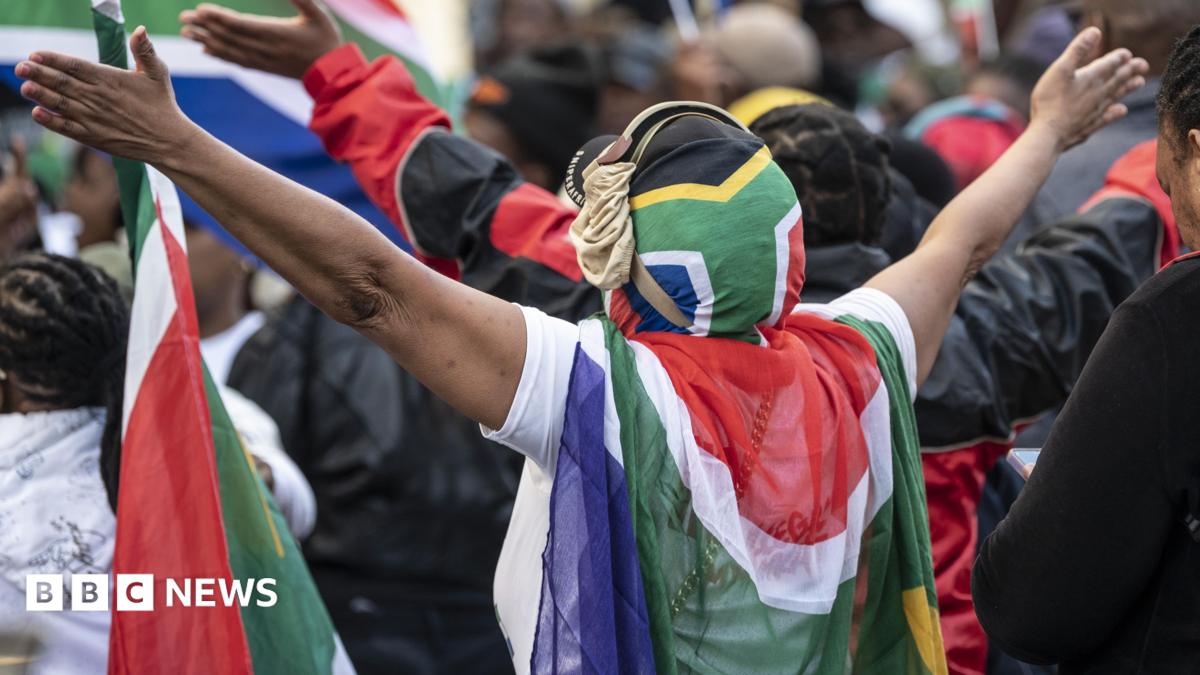
The recent deaths occur against a backdrop of heightened anti-migrant rhetoric and periodic outbreaks of violence in South Africa. According to reports from human rights organizations and international media, foreign nationals—particularly those from other African nations—frequently face accusations of contributing to local economic challenges, such as unemployment and the strain on public services. These tensions have previously resulted in widespread protests and, at times, organized attacks on businesses owned by foreign nationals, notably in urban centers like Johannesburg and Durban.

Analysts note that the frustration often stems from high levels of inequality and poverty within South Africa. The governing African National Congress (ANC) has faced pressure to address these grievances, with political discourse often shifting toward stricter migration controls and the enforcement of labor laws. However, the use of force by police against foreign nationals remains a significant point of contention, with civil society groups frequently calling for greater accountability for law enforcement officers accused of abuse.
The Role of Law Enforcement and Accountability
The allegations of “gruesome interrogation techniques” have drawn sharp criticism from advocacy groups that monitor police conduct in South Africa. Under the South African Constitution, all individuals, regardless of their nationality or legal status, are entitled to basic human rights, including protection from torture and cruel, inhuman, or degrading treatment. The IPID is the primary body responsible for investigating allegations of misconduct, including deaths in custody, to maintain public trust in the police force.
The outcome of these investigations will likely be a litmus test for the current administration’s commitment to holding law enforcement accountable for human rights abuses. If the allegations are substantiated, it could lead to criminal charges against the officers involved. In the past, such high-profile cases have occasionally led to formal diplomatic apologies or compensation, though the path to legal resolution is often lengthy and complex.
What Happens Next
The next steps in this matter depend on the findings of the ongoing investigations and the subsequent cooperation between the Nigerian and South African governments. The Nigerian High Commission is expected to provide further updates to the families of the deceased as more information becomes available from the South African authorities. For residents and expatriates in the region, the situation serves as a reminder of the fragility of the social climate and the critical importance of legal protections for all migrants.
Further developments are anticipated upon the release of the official autopsy results and the findings of the internal police investigation. Readers are encouraged to monitor official statements from the Nigerian Ministry of Foreign Affairs and the South African Department of International Relations for the most accurate, verified updates on this developing situation. We welcome community discussion on this topic in the comments section below, provided all contributions remain respectful and grounded in verified reporting.