Nigeria’s Offensive Against jihadist Groups: A Deep Dive
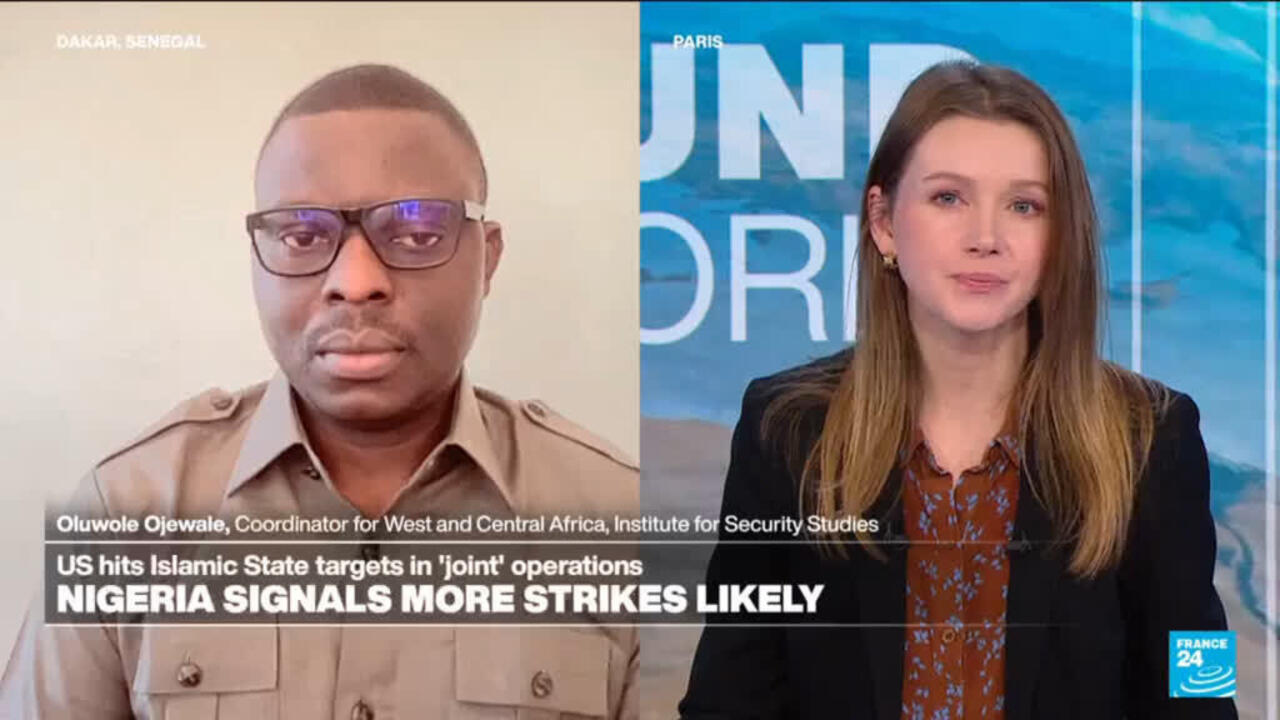
Recent military action signals a potential escalation in Nigeria’s fight against escalating jihadist violence. A joint operation with the United States, targeting Islamic State militants in the northwest, has prompted Nigerian officials to suggest further strikes are likely.This advancement underscores a growing commitment to tackling insecurity,especially in regions grappling with complex extremist threats. Understanding the nuances of this situation – including the role of international partnerships and the specific groups involved – is crucial.
The Recent US-Nigeria Operation & Its Implications
Nigeria reportedly provided crucial intelligence leading to the Christmas Day operation. The U.S. military confirmed multiple fatalities resulting from the strike,which aimed to disrupt Islamic State’s operations within the country. This collaboration highlights a strengthening security relationship between the two nations, focusing on counterterrorism efforts. Concerns about the targeting of religious minorities, specifically “innocent christians,” have also been voiced, adding another layer to the conflict’s complexity.
This isn’t an isolated incident.Nigeria has been battling various extremist groups for over a decade, including Boko Haram and the Islamic State West Africa Province (ISWAP).the expansion of these groups into the northwest presents a new challenge, demanding a multifaceted approach. Experts like Oluwole Ojewale from the Institute for Security Studies emphasize the need for sustained intelligence gathering and coordinated military responses.
What’s driving this escalation? Several factors contribute to the growing instability. Poverty,lack of economic opportunity,and weak governance create fertile ground for recruitment. Climate change, leading to resource scarcity and farmer-herder conflicts, further exacerbates tensions. These underlying issues must be addressed alongside military interventions to achieve lasting peace.
Understanding the key players is vital. Boko Haram, notorious for its brutal tactics, has been significantly weakened but remains a threat.ISWAP,affiliated with the Islamic State,has gained prominence,particularly in the Lake Chad region.The emergence of Islamic State in the northwest represents a worrying expansion of thier influence.Analyzing jihadist group dynamics in Nigeria requires a nuanced understanding of their ideologies, operational strategies, and local contexts.
What can be done? A comprehensive strategy must include:
* Strengthening security forces through training and equipment.
* Addressing the root causes of extremism through economic development and good governance.
* Promoting interfaith dialog and community resilience.
* Enhancing regional cooperation to combat cross-border threats.
* Investing in counter-terrorism strategies in West Africa.
Recent research from the Armed Conflict Location & Event Data Project (ACLED) indicates a 60% increase in violent incidents in northwest Nigeria in the past year (data as of November 2024), demonstrating the urgency of the situation. This underscores the need for proactive measures to prevent further escalation. Nigeria security challenges are multifaceted and require a holistic response.
Are there option approaches to military intervention? Absolutely. Focusing on community-based security initiatives and empowering local leaders can be highly effective. Providing alternative livelihood opportunities for vulnerable youth can also reduce the appeal of extremist groups. Conflict resolution in Nigeria requires a long-term commitment to peacebuilding and reconciliation.
Evergreen Section: The Long-Term Impact of Extremism
The consequences of prolonged extremist violence extend far beyond immediate casualties.They include displacement, economic disruption, and the erosion of social trust. Investing in education, healthcare, and infrastructure is essential for rebuilding communities and fostering long-term stability. Addressing the underlying grievances that fuel extremism is paramount to preventing future cycles of violence. This requires a sustained commitment from both the government and international partners.
FAQ Section:
1. what is the current state of the fight against Boko Haram in nigeria? While significantly weakened, Boko Haram continues to pose a threat, primarily through sporadic attacks and ambushes.
2. How does ISWAP differ from Boko Haram? ISWAP is more focused on establishing a caliphate and has demonstrated greater tactical sophistication than Boko Haram.
3. What role does international cooperation play in addressing Nigeria’s security challenges? International partnerships, like the recent operation with the U.S., provide crucial intelligence,