
The Surprisingly Sparse Landscape of Parenthood in Literature: A Deep Dive into Sarah Moss‘s Night Waking
Parenthood. It’s a worldwide human experience, a defining chapter for billions. Yet, as novelist Sarah Moss keenly observes, literature dedicated to the raw, unfiltered reality of raising children remains surprisingly scarce. Why is this profoundly common experience so underrepresented in the stories we tell? This article explores Moss’s insightful commentary, focusing on her acclaimed novel Night Waking and its recent stage adaptation, while delving into the broader literary gap surrounding parenthood.
Night Waking: A Novel That Dares to show the Messiness
Published in 2011, Night Waking isn’t a sentimental portrayal of motherhood. Instead, Moss delivers a bracingly honest account of Anna, an Oxford academic navigating the exhausting demands of raising two young sons, Raphael and Moth.The novel masterfully interweaves Anna’s present-day struggles with a ancient exploration of infant mortality, setting the narrative against the stark backdrop of a remote Hebridean island.
This juxtaposition is crucial. Moss doesn’t shy away from the messy, often isolating reality of child-rearing. She contrasts the anxieties of a modern mother with the devastating losses faced by parents throughout history, prompting a powerful reflection on the enduring challenges of parenthood. The husband, Giles, deliberately under-developed, represents a common frustration – a partner seemingly detached from the intensity of childcare.
From Page to Stage: The Challenges of Adaptation
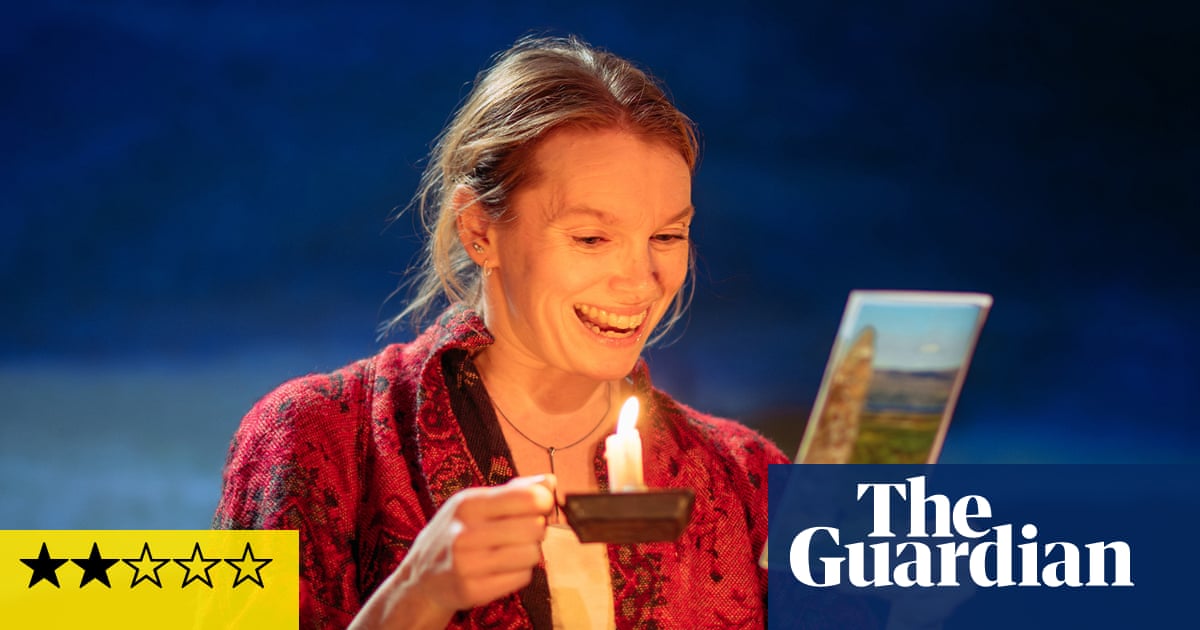
Recently, An Tobar and Mull Theatre adapted Night Waking for a solo performance, starring Nicola Jo Cully. While the novel’s intensely personal, first-person perspective lends itself to a single actor interpretation, the adaptation faced inherent challenges. Cully skillfully navigates the transitions between characters, but the format inevitably sacrifices some of the novel’s nuanced complexity.
The production, set against striking projections of island landscapes, aims to highlight themes of rural deprivation. However, some critics argue it risks reducing the story to a tale of self-absorption, losing sight of the universal anxieties at its core. The power of the novel lies in its ability to resonate with your own experiences, and translating that intimacy to the stage is a delicate balance.
Why So Little About Parenthood in Literature?
Moss’s observation sparks a vital question: why is parenthood so frequently enough relegated to the periphery of literary exploration? several factors likely contribute to this.
* Societal Expectations: Historically, literature has often focused on grand narratives of adventure, romance, or political upheaval. The domestic sphere, traditionally associated with women, has been undervalued.
* The Difficulty of Depiction: Capturing the relentless, often mundane reality of parenthood without resorting to cliché is incredibly difficult.It requires a willingness to portray vulnerability, exhaustion, and the loss of self.
* The Taboo of Negative emotions: Society frequently enough discourages open discussion of the less glamorous aspects of parenthood – the frustration, the resentment, the sheer exhaustion. Literature that dares to explore these emotions can be met with resistance.
Ultimately, the lack of representation reinforces the idea that parenthood is a private matter, rather than a shared human experience worthy of serious artistic exploration.
Evergreen Insights: the Enduring Power of Parental Stories
The need for authentic portrayals of parenthood isn’t fleeting. It’s a constant. Stories about parents and children offer a unique lens through which to examine universal themes of love, loss, identity, and obligation.
Consider these timeless truths:
* Parenthood is transformative. It fundamentally alters your perspective on life, forcing you to confront your own mortality and the fragility of existence.
* It’s a complex emotional landscape. Joy and sorrow, hope and fear, are often intertwined.
* It demands sacrifice. Balancing personal aspirations with the needs of your children is a constant negotiation.
* It’s a deeply personal journey. There’s no one “right” way to be a parent.
Frequently Asked Questions About Night Waking and parenthood in Literature
Q: Is Night Waking a depressing novel about motherhood?
A: not necessarily.While it doesn’t shy away from the challenges, it’s more accurately described as a realistic and unflinchingly honest portrayal. It explores the complexities of motherhood, including the exhaustion and anxieties, but also the enduring love and connection.


