The Case of keffe Davis: examining the Allegations in the Tupac Shakur Murder
The recent arrest of Keffe Davis in connection wiht the 1996 murder of Tupac Shakur has reignited a decades-old inquiry and captivated public attention. This case, steeped in the history of East Coast-west Coast hip-hop rivalry, presents a complex legal battle with questions surrounding evidence, motivations, and the passage of time. Let’s delve into the details, examining the key arguments and developments surrounding Davis’s prosecution.
Who is keffe Davis?
Keffe Davis, a 60-year-old man from southern California, was once involved in the narcotics trade. Though, he transitioned to inspection work for oil refineries in 2008, according to his legal team. He is a retired cancer survivor who has lived with his wife in Henderson, Nevada, for the past nine years, and is a father and grandfather.
This personal background became a central point of contention during the warrant process, as Davis’s attorneys argue the initial portrayal presented to the court was substantially inaccurate.
The Nighttime Raid and legal Challenges
Police executed a search warrant at Davis’s home, collecting electronic devices, alleged marijuana, and photographs. The Las Vegas Metropolitan Police Department justified the nighttime raid by stating it was necessary to secure the residence and prepare for a potential barricade situation, prioritizing the safety of surrounding residents.
Though, Davis’s legal team contends the court was not presented with a complete picture of his life. they claim the warrant was authorized based on a flawed and misleading representation of Davis’s current circumstances.
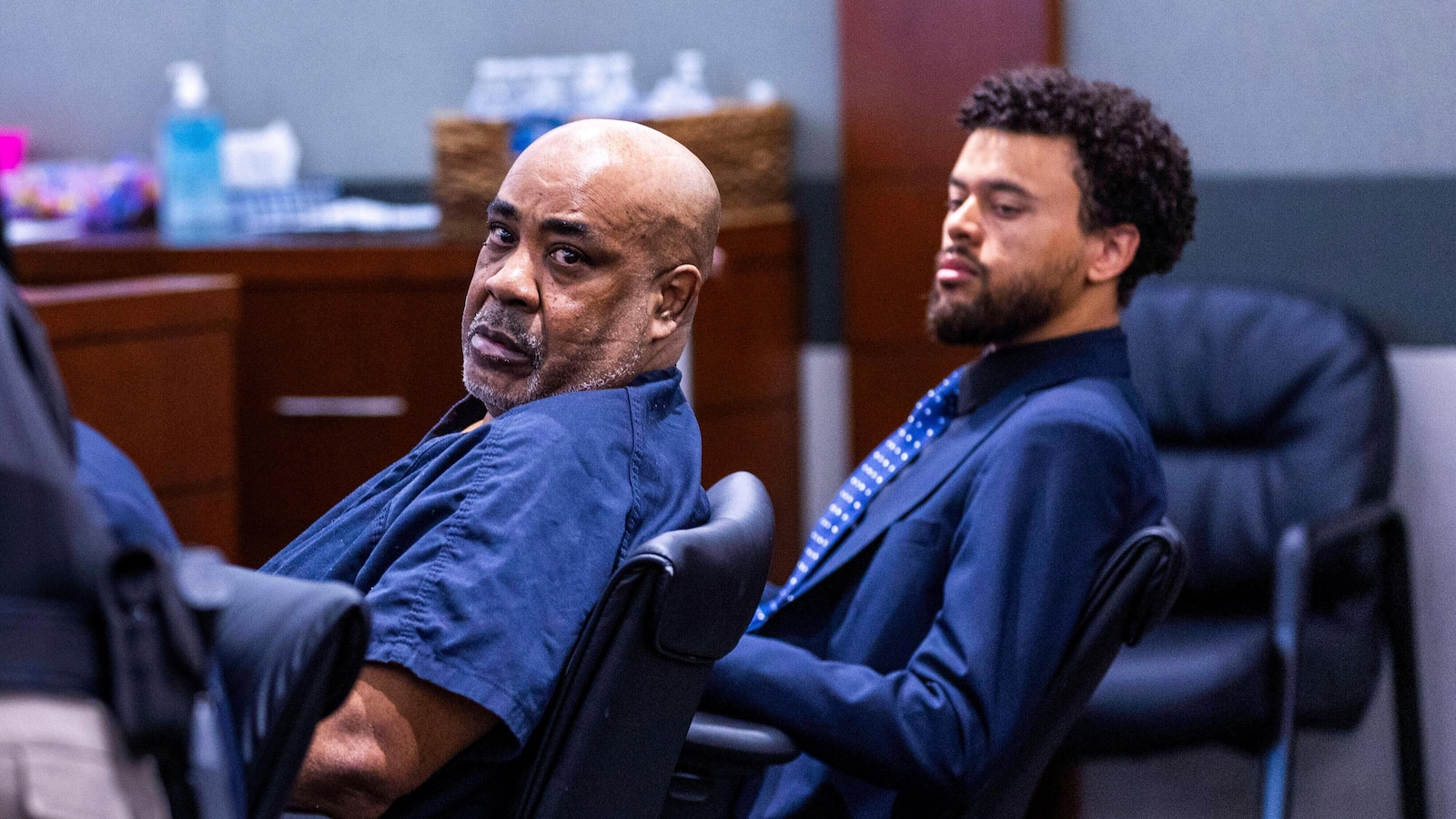
Davis was arrested in September 2023 and promptly pleaded not guilty to frist-degree murder. He has consistently sought release from custody while the case proceeds.
The Core of the Prosecution’s Case
The prosecution’s case hinges on statements Davis allegedly made over the years regarding his presence in the car from which Shakur was shot. Specifically,investigators believe Davis has admitted to being an accomplice to the shooting.
However, Davis’s attorneys argue his claims are not definitive corroboration of his involvement. They suggest he strategically presented himself as being present in the Cadillac for personal gain.
* He initially used the story in a proffer agreement to avoid drug charges.
* He has since profited from recounting the narrative in documentaries and his 2019 book.
Essentially, the defense posits that davis’s statements were self-serving and lack the concrete evidence needed for a conviction.
Dismissal Attempts and the “JFK Assassination” of Hip-Hop
Davis attempted to have the murder charges dismissed in the Nevada Supreme Court, but his petition was denied in November. His legal team has framed the Shakur case as a cultural phenomenon,comparing it to the assassination of President John F. Kennedy.
They argue the enduring fascination with Shakur’s death has created an environment where individuals might falsely insert themselves into the narrative for notoriety and financial benefit. This comparison underscores their belief that Davis’s claims are motivated by personal gain rather than factual truth.
What’s Next?
The case against Keffe Davis remains ongoing. You can expect continued legal maneuvering, potential challenges to evidence, and intense public scrutiny. The outcome will likely depend on the strength of the prosecution’s evidence and the effectiveness of the defense’s arguments.
This case serves as a stark reminder of the complexities of cold case investigations, the challenges of relying on witness testimony decades after the fact, and the enduring legacy of one of music’s most iconic figures. It’s a story that continues to unfold, demanding careful examination and a commitment to uncovering the truth.
Related reading