
Dutch authorities have arrested a minor for planning a terrorist attack driven by “nihilistic extremism,” according to reports from NOS and De Telegraaf. The suspect was detained after security services identified a plot rooted in a belief system that rejects traditional political or religious goals in favor of chaotic violence and destruction.
The arrest follows an increase in warnings from the National Coordinator for Security and Counterterrorism (NCTV) regarding the rise of nihilistic violence. Unlike traditional terrorism, which typically seeks to impose a specific ideology or political change, nihilistic extremism is characterized by a desire to cause harm or collapse societal structures without a defined end goal, according to analysis reported by NU.nl.
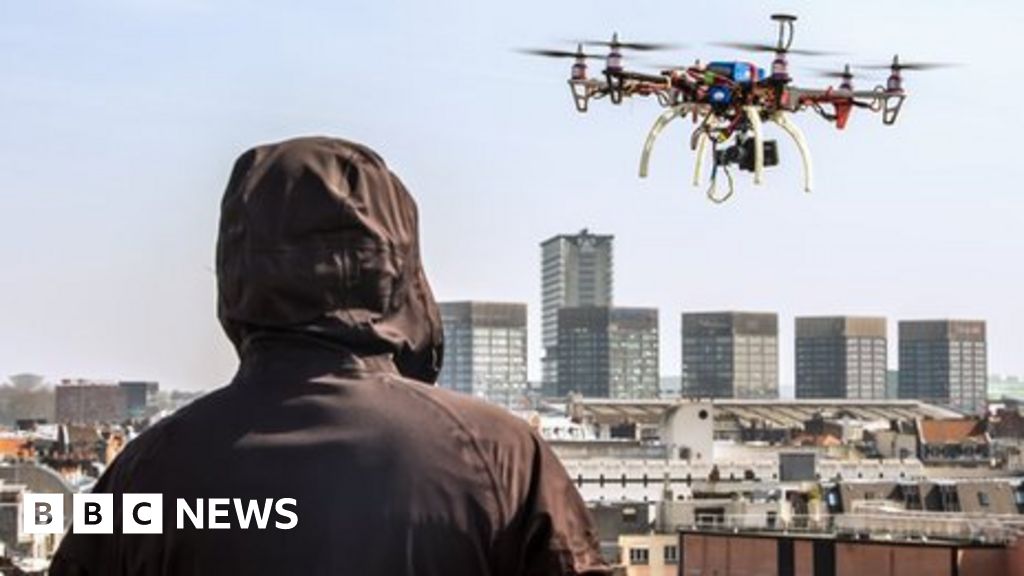
Security agencies are also monitoring the proliferation of digital manuals that simplify the execution of attacks. The NCTV has specifically warned that drones are becoming more accessible as potential weapons, citing the availability of online guides from groups such as Al-Qaeda and IS, as reported by AD.nl and De Telegraaf.
What is nihilistic extremism and why is it rising?
Nihilistic extremism differs from jihadist or far-right terrorism because it lacks a cohesive political manifesto or religious justification. According to reports from NU.nl, this form of violence is often driven by a sense of hopelessness, alienation, or a desire for “accelerationism”—the idea that societal collapse should be hastened through random acts of violence.
The NCTV indicates that while the overall terrorist threat remains limited in scope, the unpredictability of nihilistic actors poses a unique challenge for intelligence services. Because these individuals often operate in isolation or in loose online communities without a centralized command structure, they are harder to track via traditional surveillance of known terrorist networks.
This trend often intersects with “incel” (involuntary celibate) communities or extreme gaming forums where violent rhetoric is normalized. The Dutch security services have noted that the intersection of mental health struggles and online radicalization creates a volatile environment for minors, who may be more susceptible to these ideologies.
How are drones being used as terror weapons?
The NCTV has sounded an alarm over the use of drones as “possible terror weapons,” according to De Telegraaf. The agency reports that the barrier to entry for conducting an attack has lowered because detailed manuals on how to weaponize commercial drones are circulating online.
These manuals, which are linked to Al-Qaeda and IS, provide instructions on how to attach improvised explosive devices (IEDs) to drones or use them for reconnaissance. According to AD.nl, the ability to remotely pilot a device into a crowded area or a secure facility makes drones a high-priority concern for Dutch law enforcement.
The risk is compounded by the ubiquity of consumer drones, which allows suspects to acquire the necessary hardware without triggering security alerts. Security services are currently evaluating counter-drone technologies to protect critical infrastructure and public gatherings.
The legal process for minors in terror cases
The suspect in this case is a minor, which means the legal proceedings will be handled under Dutch juvenile law. According to the Dutch judiciary, the focus for minors often balances accountability with rehabilitation, though terrorism charges carry significant weight and can lead to restrictive measures.

Under the Dutch legal framework, the Public Prosecution Service (Openbaar Ministerie) must determine if the suspect acted alone or was influenced by an organized group. The investigation will focus on the extent of the planning and whether the suspect had already acquired materials to carry out the attack.
The identity of the minor remains protected under privacy laws. The investigation is ongoing to determine if other individuals were involved in the planning or provided the “nihilistic” ideological framework that led to the plot.
The next official update is expected following the suspect’s first appearance before a judge to determine the length of pretrial detention. Please share your thoughts on the rise of digital radicalization in the comments below.