
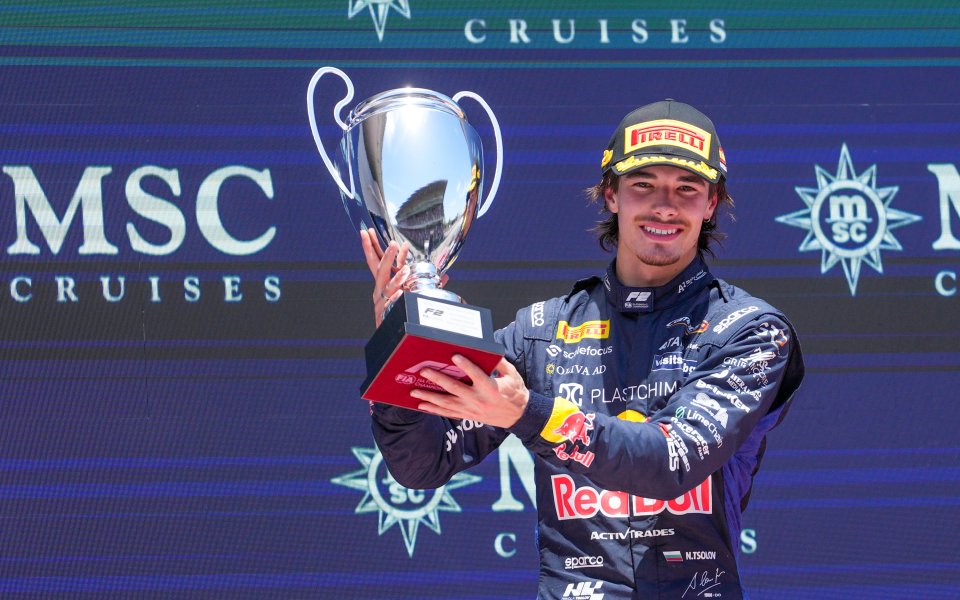
Bulgarian racing driver Nikola Tsolov is preparing for his first opportunity to drive a Formula 1 car, with testing sessions expected to take place later this year. While speculation regarding his long-term future in the sport has intensified, official representatives from Formula 1 teams have clarified that no formal agreements for a permanent seat in 2027 are currently in place.
The 17-year-old talent, who currently competes in the FIA Formula 3 Championship, has been the subject of significant media interest regarding his progression through the motorsport ladder. According to reports from national broadcaster BNT, Tsolov is slated for a test session in an F1 machine during the autumn months. Such tests are a standard procedure for young drivers looking to gain experience in high-downforce machinery and satisfy the requirements for a future FIA Super License.
To participate in official Formula 1 practice sessions—the first step for many prospects before a full-time race seat—drivers must meet stringent criteria. This includes accumulating sufficient points in the FIA Super License system and completing a minimum of 300 kilometers in a representative Formula 1 car, as mandated by the FIA sporting regulations. These regulations are designed to ensure that only drivers with proven experience and safety credentials operate cars during grand prix weekends.
Clarifying the Future Outlook
Recent reports suggesting that Tsolov has already secured a permanent Formula 1 seat for the 2027 season have been met with caution from industry figures. Representatives from the Racing Bulls team—a common point of reference in recent discussions regarding Tsolov’s potential career trajectory—have publicly stated that the team has not held discussions about assigning him a primary race seat for 2027.
This discrepancy highlights the difference between a driver being part of a junior development program and being confirmed for a future grid position. In the competitive landscape of Formula 1, development roles often provide young drivers with access to simulators, factory facilities, and occasional test days, but these do not guarantee a promotion to the senior team. The path from Formula 3 to the pinnacle of motorsport requires consistent performance in the intervening categories, specifically Formula 2, where the competition level increases significantly.
The Path to Formula 1
For a driver of Tsolov’s age, the transition to Formula 1 is a multi-year process involving several key milestones. The primary focus remains on his current trajectory within the junior formulas, where he must demonstrate the pace and maturity required to attract long-term investment from F1 constructors.

The upcoming autumn testing opportunity serves as a benchmark for his professional development. These sessions allow engineers to evaluate a driver’s ability to manage tire degradation, provide technical feedback on car setup, and handle the physical demands of modern Formula 1 vehicles. For fans and followers of Bulgarian motorsport, the focus remains on these immediate developments rather than speculative timelines for future grand prix entries.
As the season progresses, official updates regarding Tsolov’s testing schedule are expected to come from his management team and the relevant racing authorities. Readers are encouraged to follow official FIA announcements and team press releases for verified information on his upcoming track time and career milestones.