
Nile river Flooding: A Deep Dive into the Crisis, the Dam dispute, and What It Means for Egypt & Sudan
Recent, unusually high water levels in the Nile River are causing widespread disruption and displacement across northern Egypt and Sudan. This isn’t simply a matter of seasonal flooding; a complex interplay of factors, including late-season rainfall and a growing dispute over Ethiopia‘s Grand Ethiopian Renaissance dam (GERD), is fueling the crisis. Let’s break down what’s happening, why it matters, and what the future holds.
The Immediate Impact: Homes Underwater and Lives Disrupted
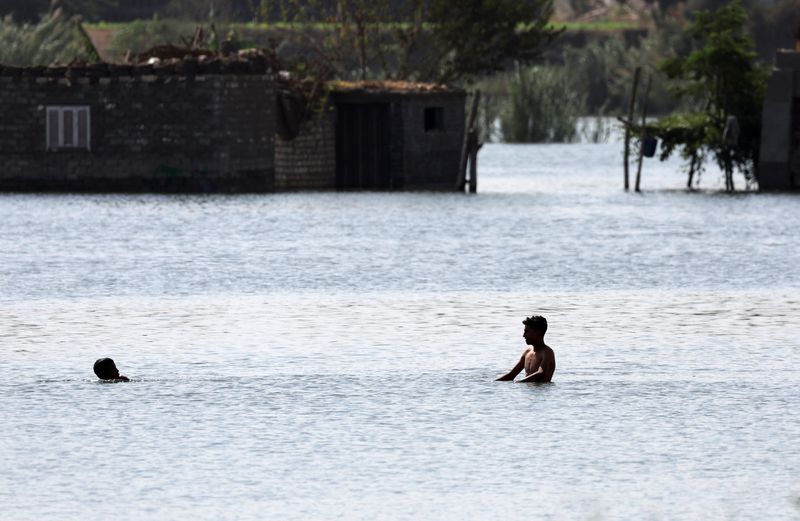
The situation on the ground is dire. In villages like Dalhamo, located in Egypt’s Menoufia Governorate, residents are navigating flooded streets by boat.Fisherman Saied Gameel,like manny others,has lost everything,reporting water levels considerably higher and more persistent than in previous years.
* Homes are inundated.
* Agricultural lands are submerged, threatening livelihoods.
* Displacement is widespread, forcing communities to seek refuge on rooftops.
The impact extends beyond Egypt. In Sudan, already grappling with an 18-month civil war, recent floods in Bahri, Khartoum state, have displaced approximately 1,200 families, exacerbating an already devastating humanitarian situation. The conflict severely hinders the country’s ability to respond effectively.
Understanding the Causes: Beyond Typical Monsoon Season
The Nile River naturally experiences seasonal flooding due to monsoon rains in the Ethiopian Highlands, typically peaking in July and August. However, this year’s surge is different.A late-season influx of water originating in Ethiopia has traveled north through Sudan and into Egypt,catching communities off guard.
This raises a critical question: is the GERD playing a role?
The GERD Controversy: Egypt’s Accusations and Ethiopia’s Defense
Egypt’s Water Resources and Irrigation Ministry directly accuses Ethiopia of “reckless unilateral” operation of the GERD. They claim that sudden, unannounced releases of water following the dam’s inauguration on September 9th triggered a “man-made, late flood.” Specifically, they point to:
* A jump in discharges to 485 million cubic meters on September 10th.
* A further increase to 780 million cubic meters on September 27th.
* Subsequent strain on Sudan’s Roseires Dam,leading to excess water flowing into Egypt.
Egypt argues these actions violate existing water treaties and pose an existential threat to their water security.
Ethiopia vehemently denies these accusations,labeling Egypt’s statement as “malicious and riddled with numerous baseless claims.” They maintain that regulated releases from the Blue Nile project reduced flood impacts. According to Ethiopia,without the GERD,heavy rainfall would have caused even more catastrophic damage in both Sudan and Egypt.
Prime Minister Abiy Ahmed has framed the dam as a symbol of regional prosperity, stating it’s designed to “electrify the entire region, and to change the history of black people,” and emphatically denying any intent to harm neighboring countries. The dam boasts a capacity to generate 5,150 megawatts of power and hold up to 74 billion cubic meters of water.
What Does This Mean for You? (And the Region)
This situation isn’t just about water levels; it’s about regional stability, food security, and the future of the Nile River basin. Here’s what you need to understand:
* water Security: Egypt is heavily reliant on the Nile for its water supply. Any perceived threat to that supply is taken extremely seriously.
* Regional Tensions: The GERD has been a source of contention for years,and this latest crisis is highly likely to escalate tensions between Egypt,Ethiopia,and Sudan.
* Humanitarian Crisis: The immediate needs of displaced populations in both Egypt and Sudan are paramount. Access to clean water, food, and shelter is critical.
* Long-term Planning: This event underscores the need for improved flood management strategies, especially in vulnerable areas like the Nile Delta, where informal construction on the floodplain increases risk.
Egyptian Prime Minister Mostafa Madbouly acknowledged the anticipated higher flows and warned of risks to low-lying areas in Menoufia and Beheira.Health teams have been deployed to provide assistance, but the situation remains challenging.
Looking Ahead: A Path Towards Resolution
Resolving this crisis requires a collaborative approach


![Mrs. GREEN APPLE Reflects on a Year of Love & Gratitude | [Year] Recap](https://i0.wp.com/www.billboard.com/wp-content/uploads/2025/12/Mrs.-GREEN-APPLE-bbjapan-billboard-1800.jpg?resize=150%2C100&ssl=1 "Mrs. GREEN APPLE Reflects on a Year of Love & Gratitude | [Year] Recap")
