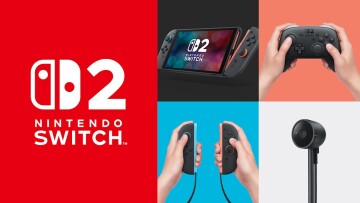
Nintendo has not officially detailed a “Switch 2” or confirmed the release of console models with user-replaceable batteries in response to EU mandates. While the company has acknowledged the upcoming successor to the Nintendo Switch, official specifications regarding battery accessibility or hardware design remain unannounced by the company.
The current Nintendo Switch family uses internal lithium-ion batteries that are not designed for user replacement. Industry analysts and consumers have speculated that a next-generation console would need to adhere to the EU Right to Repair regulations, which aim to mandate that portable devices feature batteries that are easily accessible and replaceable by the end user.
Nintendo President Shuntaro Furukawa confirmed in a May 2024 announcement on X (formerly Twitter) that the company will announce the successor to the Nintendo Switch within this fiscal year, which ends March 31, 2025. However, that statement did not include technical details regarding the hardware’s internal architecture or battery replacement capabilities.
Will the next Nintendo console have replaceable batteries?
There is no official confirmation from Nintendo regarding replaceable batteries for its next console. The speculation stems from the European Union’s “Battery Regulation,” which requires portable devices to have batteries that can be removed and replaced by the end-user by 2027. Because Nintendo sells hardware globally, the company must comply with these regional laws to maintain market access in Europe.

Under the EU’s new framework, manufacturers must ensure that batteries are not glued or permanently soldered into the chassis in a way that prevents replacement without specialized professional equipment. If Nintendo targets a 2025 or 2026 launch for its next system, it may choose to implement these design changes globally to streamline production and meet the 2027 deadline.
How does the EU Right to Repair impact gaming hardware?
The EU Right to Repair directive forces a shift in how consumer electronics are engineered. Historically, gaming handhelds have favored slim profiles and integrated components, often resulting in batteries that require the complete disassembly of the device to replace. The new regulations prioritize the “circular economy,” reducing electronic waste by extending the lifespan of devices.
For the Joy-Con controllers, which have a history of “stick drift” and battery degradation, a replaceable battery design would allow users to swap cells without replacing the entire controller. While Nintendo has offered free repairs for Joy-Con drift in many regions, a modular battery approach would shift the maintenance burden from the manufacturer to the consumer or third-party repair shops.
What is known about the Nintendo Switch successor?
Beyond the confirmation that an announcement is coming before April 2025, Nintendo has remained silent on the “Switch 2” specifications. Reports from supply chain analysts, which have not been verified by Nintendo, suggest the new system may feature a larger LCD or OLED screen and increased RAM to support more demanding titles. However, Nintendo has not validated any of these hardware leaks.

The company’s primary focus remains the current Switch lineup, which has sold over 140 million units globally since its 2017 launch. Any transition to a new hardware generation will likely involve a strategy to maintain backward compatibility with the existing library of Switch games, though this has also not been officially confirmed.
For the latest verified updates, users should monitor the official Nintendo news site for formal press releases.
Nintendo is expected to provide further details on its next-generation hardware before the end of the current fiscal year on March 31, 2025. Share your thoughts on the potential for modular hardware in the comments below.