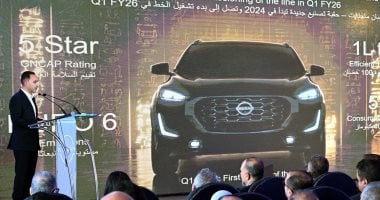
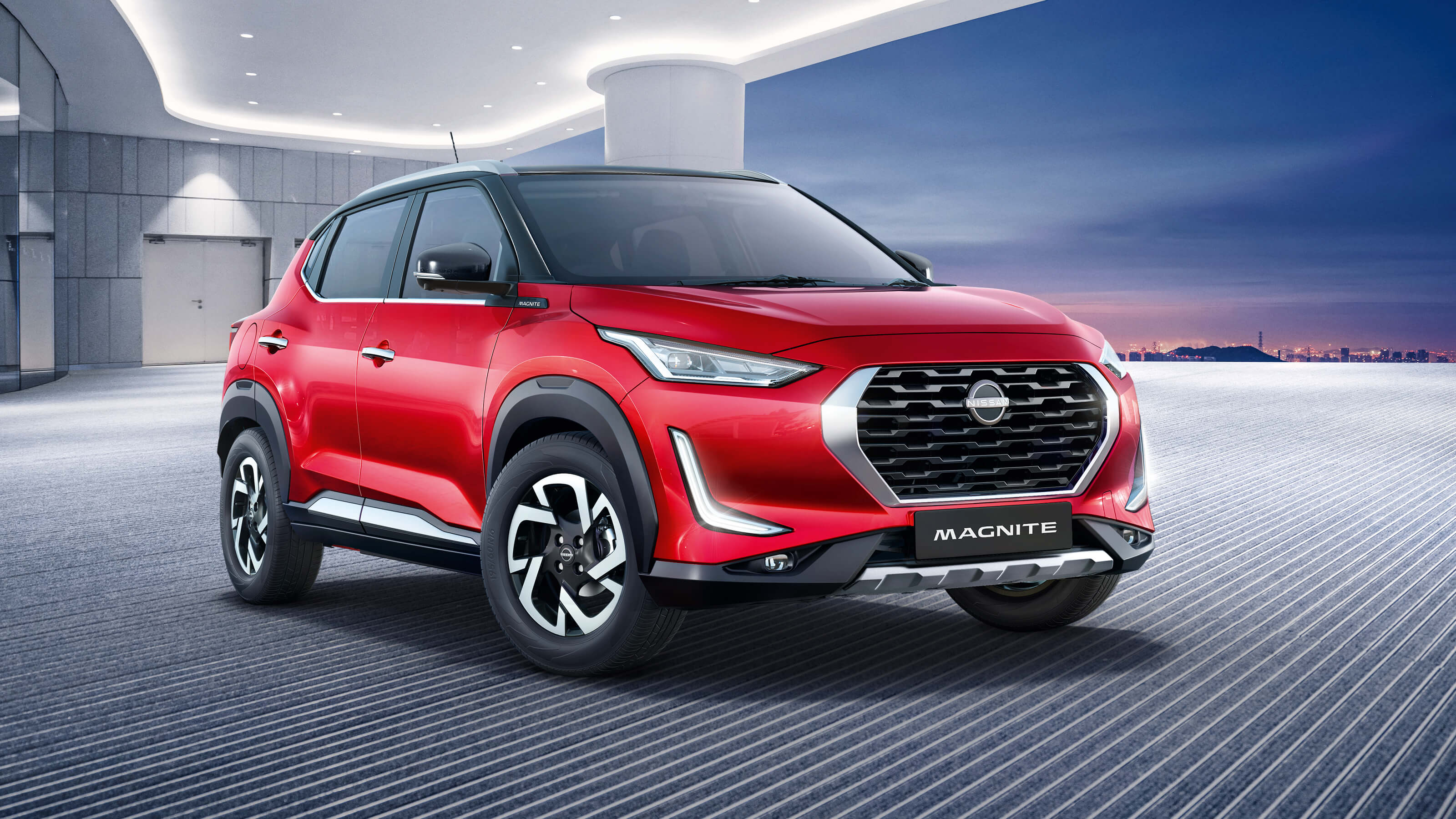
Nissan has officially launched the production of the Nissan Magnite in Egypt, marking a significant milestone as the first time the vehicle is manufactured on the African continent. The inauguration of the new production line at the company’s Egyptian facilities signifies a strategic expansion in the region’s automotive sector, aimed at bolstering domestic manufacturing capabilities and increasing market share.
The development, which involves substantial new investment, aligns with broader government efforts to establish the nation as a regional hub for vehicle assembly and parts production. The introduction of the Magnite is expected to provide a more localized supply chain, reducing reliance on imports and potentially lowering costs for consumers in the competitive compact SUV segment.
Strategic Investment and Market Expansion
The decision to localize the production of the Nissan Magnite represents a major commitment to the Egyptian market. By transitioning from a purely import-based model to local assembly, the company aims to optimize its logistics and respond more effectively to shifting consumer demands. This operational shift is supported by significant capital expenditure, reinforcing the manufacturer’s long-term presence in the country.
The move is part of a larger industrial strategy supported by the Ministry of Investment and International Trade, which has been actively courting automotive manufacturers to utilize Egypt’s geographic advantage and existing industrial infrastructure. Officials have highlighted that creating a robust automotive ecosystem is essential for long-term economic growth, job creation, and the development of local technical expertise.
Future Outlook: Electrification and Regional Hub Status
Beyond the immediate production of internal combustion engine vehicles, the dialogue between government officials and company leadership has touched upon the future of sustainable transport. There is a clear interest from the government in transitioning toward electric vehicle (EV) production, with discussions focusing on the potential for introducing electric models to the local assembly lines in the coming years.
The goal of becoming a regional manufacturing hub for Africa and the Middle East remains a primary focus for trade authorities. Success in this area depends on the continued integration of local component suppliers into the global Nissan value chain, a process that requires consistent regulatory support and the modernization of industrial zones.
Key Industry Considerations
The automotive landscape in Egypt is currently undergoing a period of transformation, driven by both global supply chain trends and local economic policies. For consumers and industry observers, the following points are central to understanding the current environment:

- Localization: Increasing the percentage of locally sourced components is a stated priority for the government to stabilize the automotive market.
- Investment Incentives: The government continues to offer various incentives for manufacturers who commit to long-term production contracts and technology transfer.
- Market Competition: The entry of locally produced models like the Magnite intensifies competition in the compact SUV segment, which is seeing a shift in consumer preference toward more fuel-efficient and technologically equipped vehicles.
The company has not yet released a definitive timeline for the introduction of electric vehicles to the local assembly line, though discussions remain ongoing. Interested stakeholders and industry analysts are expected to monitor upcoming trade reports and official company disclosures for updates regarding future expansion phases.
We invite our readers to share their thoughts on the growth of the regional automotive industry in the comments section below. For ongoing updates on industrial policy and market developments, stay tuned to our global news coverage.