Powering the Future: How Electric Vehicles are Stabilizing the Grid – and Keeping Airports Running
Electric vehicles (EVs) represent more than just a shift in personal transportation. They’re becoming a vital component of a more resilient and sustainable energy infrastructure.While gasoline-powered cars still hold an edge in fast refueling, the overall efficiency of EVs - even factoring in battery production – surpasses that of their combustion engine counterparts. Moreover, EVs offer a unique capability: bidirectional charging, which allows them to not only draw power from the grid, but also send it back.
This capability is no longer a futuristic concept. It’s being implemented today, and in some surprising places.
Bidirectional Charging: A Game Changer
Traditionally, vehicles have been energy consumers. Though, EVs with bidirectional charging technology transform them into mobile energy storage units. This means your EV can possibly:
* Power your home during an outage.
* Contribute energy back to the grid during peak demand.
* Support critical infrastructure like airports.
Let’s explore that last point.
Redwood Coast Airport: A Real-World Example
Located in Humboldt County, California, Redwood Coast Airport is pioneering the integration of bidirectional EV charging into its microgrid. This isn’t a massive international hub, but a practical presentation of how EVs can enhance energy resilience at a local level.
The airport’s microgrid already boasts notable capabilities:
* A 2.2 MW solar array generates clean energy.
* 8.9 MWh of battery storage provides backup power.
* A 300 KW net-metered solar system allows for energy sharing with the local grid.
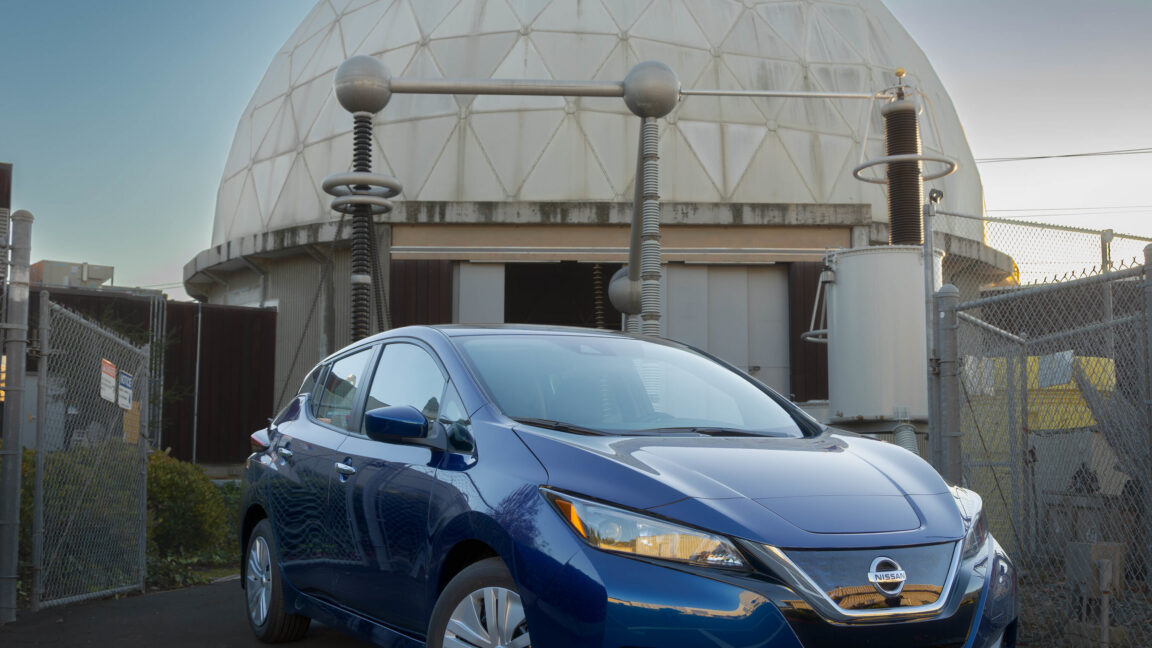
Now, two Nissan Leaf EVs are playing a crucial role.
The Leaf Leads the Way
The airport utilizes a 2021 Nissan Leaf purchased by the Humboldt County aviation Division, alongside a 2020 model provided by Nissan. These represent an earlier generation of the Leaf, utilizing the CHAdeMO DC fast charging standard. Importantly, these second-generation Leafs were always technically capable of vehicle-to-grid (V2G) functionality.
Until recently, however, North America lacked widespread pilot programs to unlock this potential. Now,we’re seeing momentum.
Similar V2G initiatives are emerging with:
* Electric school buses in Illinois.
* Ford F-150 Lightning trucks in residential pilots.
The Leaf’s inclusion demonstrates that even older EV models can contribute to grid stability. Even with the arrival of newer, improved Leaf models, the existing vehicles are proving their value.
Why This Matters for You
The integration of EVs into the grid isn’t just about technological advancement. It’s about building a more reliable, sustainable, and resilient energy future. As bidirectional charging becomes more commonplace, you can expect:
* Increased grid stability: EVs can definately help balance supply and demand, preventing outages.
* Reduced energy costs: You may be able to save money by using your EV to power your home during peak hours.
* Greater energy independence: Local microgrids, supported by EVs, can reduce reliance on centralized power sources.
This is a rapidly evolving field, and the Redwood Coast Airport project offers a valuable glimpse into what’s possible. It’s a testament to the fact that the future of energy isn’t just electric – it’s interactive.
Keep reading