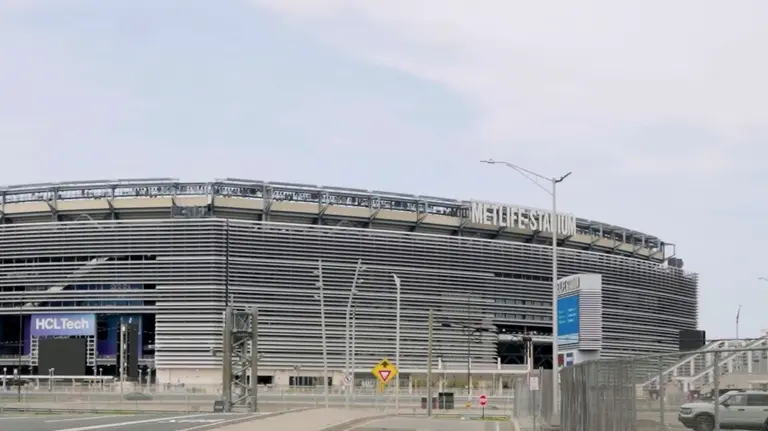
On April 17, 2026, NJ TRANSIT and the FIFA World Cup 2026™ New York New Jersey Host Committee officially unveiled the regional mobility plan for matches hosted at MetLife Stadium in East Rutherford, New Jersey. The announcement confirmed that round-trip train service from New York Penn Station to the stadium will be priced at $150 per ticket, a significant increase from the standard fare of approximately $12.90. This pricing structure applies to all passengers, with no discounted rates for children, seniors, or individuals with disabilities.
The plan, developed in coordination with the Port Authority of New York and New Jersey (PANYNJ), Metropolitan Transportation Authority (MTA), New Jersey Department of Transportation (NJDOT), New Jersey Turnpike Authority (NJTA), and Amtrak, aims to manage transportation for eight World Cup matches, including the final on July 19, 2026. Officials emphasized that the initiative builds on more than two years of preparation and collaboration with local, state, and federal partners to ensure a seamless and secure experience for fans, workers, and residents during the tournament.
NJ TRANSIT President & CEO Kris Kolluri stated that while the agency is prepared to deliver a reliable travel option for matchday attendees, it remains focused on maintaining essential service for everyday customers who rely on public transit during key periods before and after matches. The mobility plan includes designated departure time blocks from Penn Station, mandatory security checkpoints along the route, and a requirement that ticket holders purchase a special NJ Transit World Cup ticket that includes a wristband for return travel.
In addition to rail service, a round-trip bus option will be available for $80, with pickup locations in New York City and a park-and-ride facility in Clifton, New Jersey, expected to accommodate approximately 2,500 vehicles. Parking at the mall adjacent to MetLife Stadium will be priced as high as $225, further contributing to the overall cost burden for attendees choosing to drive.
The announcement sparked immediate public debate, particularly regarding affordability and equity. New Jersey Governor Mikie Sherrill criticized the pricing, urging FIFA to subsidize fan transportation costs, arguing that such expenses should not fall on local residents or attendees. In response, Alex Lasry, CEO of the New York New Jersey Host Committee, defended the plan as being “built with safety and responsibility at its core,” emphasizing years of interagency coordination and the goal of minimizing regional disruption while delivering a world-class event.
According to official statements released during the April 17 briefing, the mobility strategy is designed to support four weekday and four weekend matches throughout the tournament window, which runs from June 11 to July 19, 2026. The plan reflects broader efforts by the U.S. Department of Transportation, the White House Task Force on the FIFA World Cup 2026, and the Northeast Corridor Commission to integrate major event planning into existing transportation infrastructure.
As of the announcement date, tickets for the official NJ Transit World Cup shuttle service were made available for purchase, but only to individuals who already hold a match ticket for one of the scheduled games at MetLife Stadium. This requirement ensures that transportation access is tied to event attendance, aiming to prevent misuse of subsidized or special-service transit.
The $150 rail fare represents an approximate elevenfold increase over standard NJ TRANSIT pricing for the same route, a disparity that has drawn scrutiny from consumer advocacy groups and public officials concerned about accessibility for lower-income fans. Despite the controversy, transit authorities maintain that the premium pricing is necessary to cover incremental operational costs, including additional staffing, security deployments, and fleet preparation required to handle the surge in demand during match windows.
Looking ahead, the next official update on World Cup 2026 transportation logistics is expected closer to the tournament’s opening match in June 2026, when NJ TRANSIT and the Host Committee typically release final operational details, including real-time service advisories and contingency plans. Until then, stakeholders continue to monitor preparations through interagency working groups focused on the Northeast Corridor and major event readiness.
For the most current and authoritative information on FIFA World Cup 2026 transit plans in the New York-New Jersey region, the public is encouraged to consult official releases from NJ TRANSIT, the Port Authority of New York and New Jersey, and the FIFA World Cup 2026™ New York New Jersey Host Committee.
What are your thoughts on the balance between major event preparedness and public affordability? Share your perspective in the comments below, and help spread informed discussion by sharing this article with your network.
Keep reading