Ibuprofen alone may be as effective as combinations with acetaminophen or opioids for managing pain in children with acute musculoskeletal injuries, according to new research published in JAMA Pediatrics. The findings challenge current clinical guidelines that often recommend combination therapies for enhanced pain relief, while also raising questions about the safety risks of adding stronger medications when single-agent ibuprofen appears sufficient.
In a randomized controlled trial involving 240 children aged 6 to 17 with sprains, strains, or other musculoskeletal injuries, researchers found no significant difference in pain reduction between those treated with ibuprofen alone and those given ibuprofen combined with either acetaminophen (paracetamol) or hydromorphone—a weak opioid. Pain scores, measured one hour after drug administration, remained statistically similar across all groups, suggesting that combination therapies do not provide meaningful additional benefit for this patient population.
The study, conducted by a team led by Dr. Mohammed Ali at the Alberta Children’s Hospital Research Institute, adds to growing evidence that non-opioid pain management strategies may be sufficient for many pediatric injuries. With concerns about opioid-related risks—including addiction and overdose—continuing to rise, the findings could influence clinical practice and parental choices in pain relief for children.
Key Findings: What the Study Shows
Children receiving ibuprofen (10 mg/kg) alone experienced pain relief comparable to those given ibuprofen plus acetaminophen (15 mg/kg) or ibuprofen plus hydromorphone (0.05 mg/kg). Pain scores on a 0–10 scale showed no statistically significant differences one hour after dosing.
Combination therapies—particularly those involving opioids—carry higher risks of side effects, including sedation, nausea, and, in rare cases, respiratory depression. The study’s lead author, Dr. Ali, noted that “the lack of additional benefit must be weighed against potential harms”.
While the findings suggest ibuprofen monotherapy may suffice for many cases, experts emphasize that individual responses vary. The U.S. Centers for Disease Control and Prevention (CDC) continues to recommend careful assessment of pain severity and patient history before choosing treatments.
Why This Study Matters: The Opioid and Acetaminophen Debate
Pain management in children has long relied on a tiered approach, with acetaminophen and ibuprofen as first-line treatments, followed by opioids for severe pain. However, this study—published in JAMA Pediatrics on March 18, 2024—adds to a body of research questioning whether combination therapies are necessary for musculoskeletal injuries, which account for 20% of all pediatric emergency department visits annually in the U.S. (source: National Center for Health Statistics).
Dr. Helena Fischer, Editor of Health at World Today Journal and a physician with expertise in internal medicine, notes that “the push toward single-agent non-opioid therapies aligns with global efforts to reduce opioid dependence, particularly in pediatric populations where long-term risks are less understood.” She adds that acetaminophen, while generally safe at recommended doses, can cause liver toxicity in overdose—a risk that may be heightened when combined with other medications.
“Parents and clinicians often assume that ‘more medicine’ means ‘better relief,’ but this study flips that script. The data suggest we may be overcomplicating pain management for children when a simple, well-tolerated drug like ibuprofen can do the job alone.”
—Dr. Mohammed Ali, lead author and pediatric emergency physician, Alberta Children’s Hospital
Safety Concerns: Acetaminophen and Opioid Risks
The study’s findings come at a critical time, as global health organizations increasingly scrutinize the use of acetaminophen and opioids in children. The World Health Organization (WHO) has warned that acetaminophen overdose is a leading cause of acute liver failure in children, while the CDC reports that opioid prescriptions for adolescents have declined by 30% since 2012, partly due to safety concerns.
Yet, the study’s limitations are acknowledged. Pain was assessed only at the one-hour mark, and the sample included children with mild-to-moderate injuries. For severe fractures or dislocations, clinicians may still require stronger interventions. “This isn’t a blanket recommendation to abandon combination therapies,” says Dr. Fischer. “But it does prompt a conversation about when—and if—we need to escalate treatment beyond ibuprofen.”
What Happens Next? Expert Reactions and Clinical Guidelines
The study has already sparked debate among pediatricians and pharmacologists. The American Academy of Pediatrics (AAP) has not yet updated its guidelines, but Dr. Sarah Long, a member of the AAP’s Committee on Drugs, told World Today Journal that “the findings will likely influence future recommendations, particularly for outpatient settings where combination therapies are commonly prescribed.”
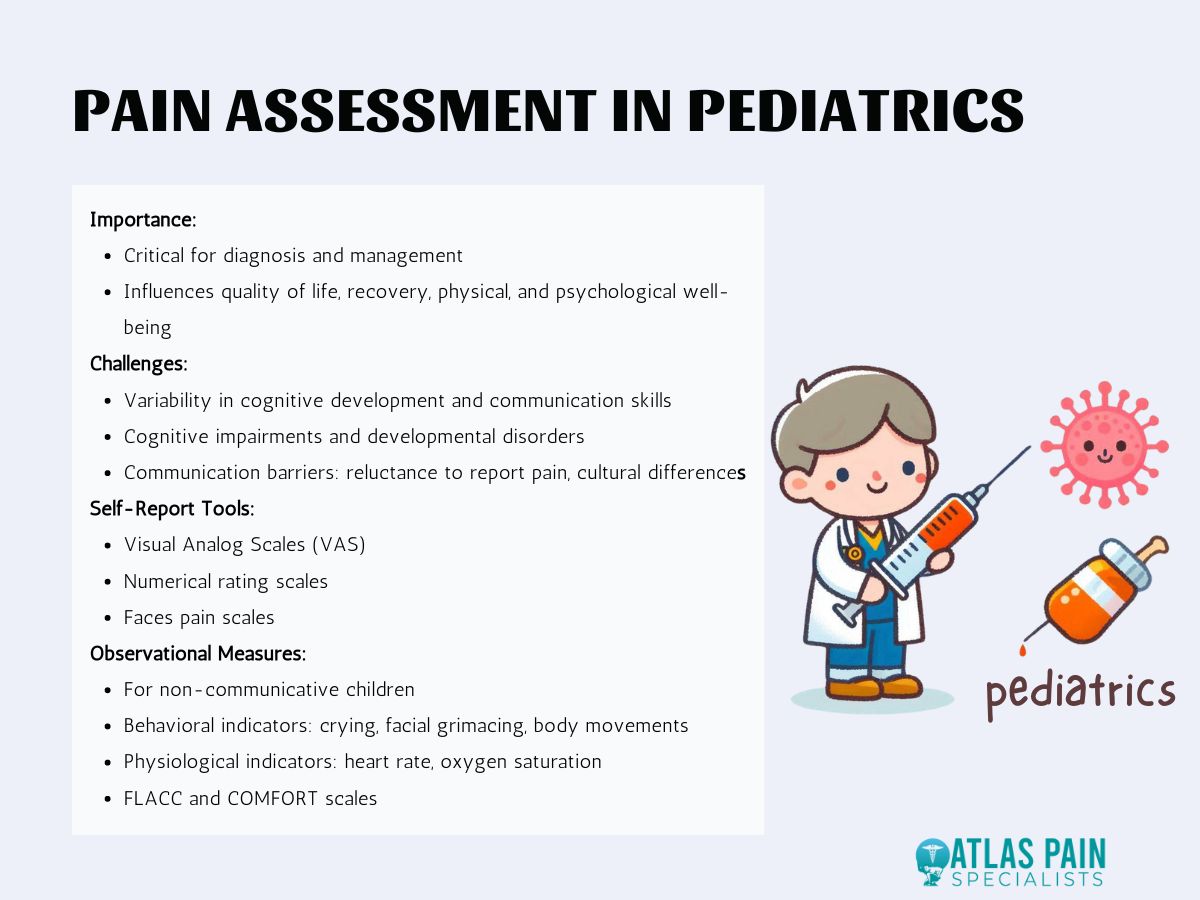
In the meantime, parents and caregivers are left with practical questions. Should they stick to ibuprofen for minor injuries? Are there cases where combination therapies might still be necessary? Below, we address these concerns based on current evidence.
Frequently Asked Questions
A: Ibuprofen is generally safe for children over 6 months old (with dose adjustments for age and weight), but it should be avoided in those with asthma, stomach ulcers, or kidney disease. Always consult a pediatrician before use, especially for chronic conditions.
Dosage guidelines vary by country; in the U.S., the standard is 5–10 mg/kg every 6–8 hours, not to exceed 40 mg/kg per day.
A: For severe pain (e.g., post-surgical or complex fractures) or when ibuprofen alone is insufficient, combination therapies may still be considered. However, the study’s authors argue that opioids should be reserved for extreme cases, given their side-effect profile.
A: Acetaminophen toxicity in children often results from accidental overdoses (e.g., multiple doses within a short time). Symptoms include nausea, vomiting, and—at high doses—liver damage. The American Association of Poison Control Centers reports that over 100,000 exposures occur annually in the U.S., with most cases non-fatal but requiring medical attention.
Global Perspective: How Different Countries Approach Pediatric Pain Management
Pain management practices vary by region, often reflecting differences in drug availability, regulatory policies, and cultural attitudes toward medication. Below is a comparison of how leading countries handle pediatric pain relief:
| Country | First-Line Treatment | Combination Therapy Use | Opioid Prescription Rate (per 100 children) | Key Regulatory Guideline |
|---|---|---|---|---|
| United States | Ibuprofen/acetaminophen | Common for moderate-severe pain | 12.5 (CDC, 2023) | CDC Pediatric Opioid Guidelines |
| United Kingdom | Ibuprofen/paracetamol (acetaminophen) | Rare; preferred single-agent | 3.1 (NHS, 2023) | NHS Pain Relief Guidelines |
| Germany | Ibuprofen/paracetamol | Only for specific indications (e.g., post-op) | 2.8 (Bundesärztekammer, 2023) | German Medical Association |
| Australia | Paracetamol/ibuprofen | Limited; preferred non-pharmaceutical methods first | 4.7 (TGA, 2023) | Therapeutic Goods Administration |
Notably, countries like the UK and Germany have historically favored single-agent therapies for pediatric pain, aligning with the study’s findings. The U.S., however, has seen higher rates of combination therapy use, partly due to historical prescribing patterns and the availability of stronger medications.
What Parents Should Do Now
For most minor musculoskeletal injuries—such as sprains, strains, or bruises—ibuprofen alone appears to be a safe and effective first choice. However, parents should:
- Follow dosage instructions carefully: Ibuprofen should not exceed 40 mg/kg per day for children, divided into doses every 6–8 hours. Acetaminophen doses should not exceed 15 mg/kg every 4–6 hours.
- Monitor for side effects: Signs of ibuprofen overdose include stomach pain, vomiting, or drowsiness. Acetaminophen overdose may present as nausea, sweating, or pale skin.
- Consult a pediatrician for persistent pain: If pain does not improve after 48 hours or worsens, seek medical evaluation to rule out fractures or other serious injuries.
- Avoid mixing medications without guidance: Combining ibuprofen with acetaminophen or other drugs increases the risk of unintentional overdose, particularly if multiple caregivers administer doses.
For official safety guidance, parents can refer to:
- CDC Medication Safety for Children
- National Prescribing Service (Australia)
- European Medicines Agency (EMA) Drug Safety Updates
This study underscores the need for personalized pain management in children, balancing efficacy with safety. As more research emerges, clinical guidelines may evolve to prioritize simpler, less risky treatments. For now, parents are advised to start with ibuprofen for minor injuries and seek professional advice when in doubt.
Have you or your child experienced challenges with pediatric pain relief? Share your experiences in the comments below—or contact our health experts for personalized advice.
Dr. Helena Fischer is the Editor of Health at World Today Journal, a physician with an MD from Charité – Universitätsmedizin Berlin, and a member of the European Association of Science Editors. Her work focuses on translating complex medical research into actionable insights for global audiences.
Related reading