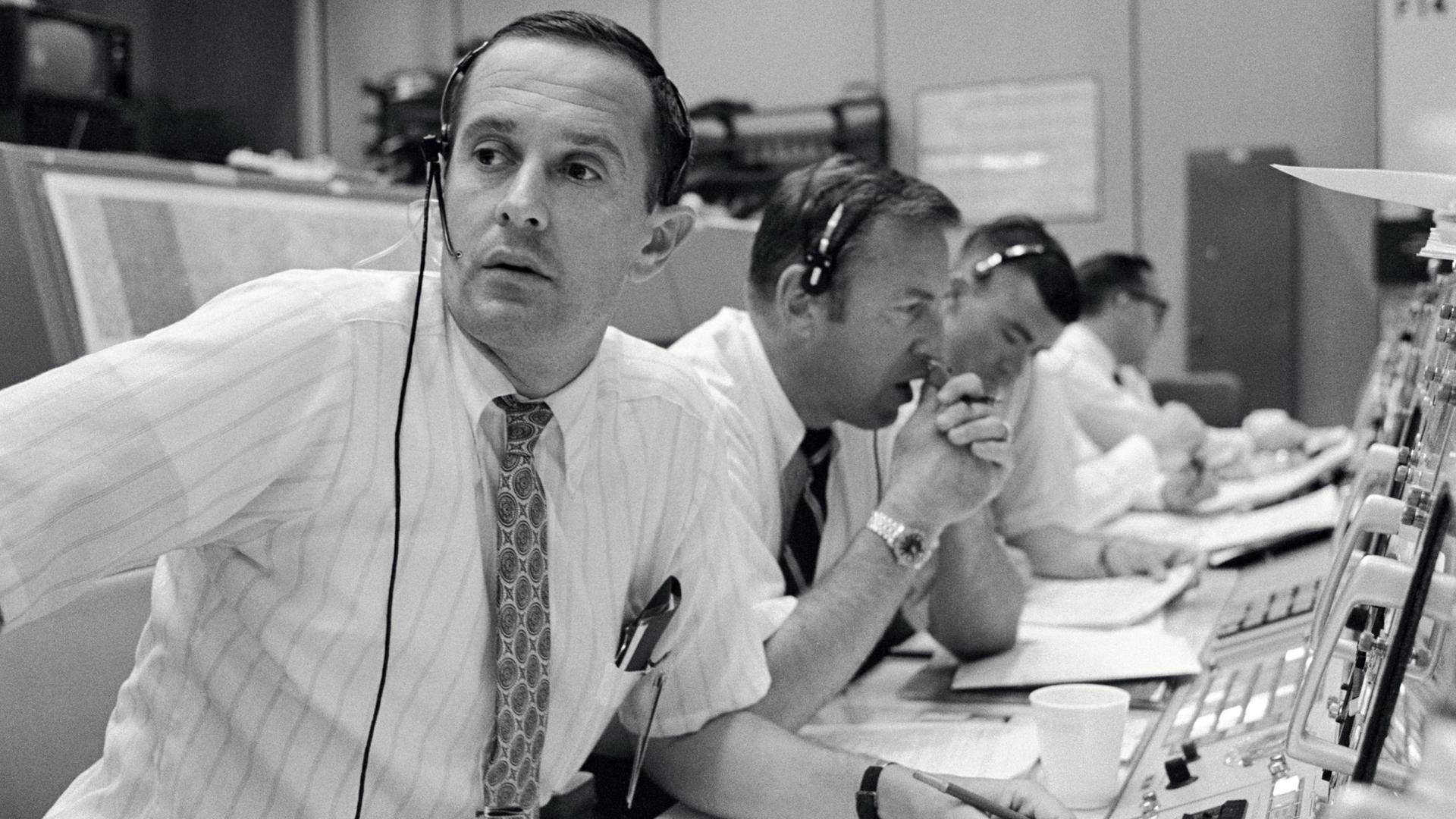
The Vital Role of the Capsule Communicator: The Voice Between Earth and Space
During a space mission, the astronauts’ primary link to ground control is often a dedicated individual known as the Capcom, or Capsule Communicator. This crucial role, as recognized early on by NASA, ensures a streamlined and consistent communication channel for those operating in the challenging environment of space. Rather than having astronauts interact with a multitude of different voices, the Capcom serves as the central point of contact, relaying instructions, information, and support from the mission control team. This focused communication is vital for maintaining clarity, reducing stress, and ensuring the success of complex operations.
The importance of a single, consistent voice became apparent during the early days of space exploration. The inherent risks of spaceflight demanded clear, concise, and unambiguous communication. Multiple voices could lead to confusion, especially during critical moments when quick decision-making is paramount. The Capcom system was implemented to mitigate these risks, providing astronauts with a familiar and reliable connection to the ground. This system continues to be a cornerstone of space missions today, from the International Space Station to the upcoming Artemis program.
What Does a Capsule Communicator Do?
The Capcom is far more than just a relay of messages. They are a highly trained flight controller, deeply versed in all aspects of the mission, the spacecraft’s systems, and the procedures astronauts will follow. According to NASA, Capcoms work within the Mission Control Center in Houston, Texas, and are responsible for maintaining real-time communication with the crew. This involves not only transmitting instructions but also monitoring the astronauts’ status, responding to their questions, and providing critical updates on the mission’s progress. They essentially act as the crew’s direct line to the entire team of specialists on the ground.
The role demands a unique blend of technical expertise, communication skills, and the ability to remain calm under pressure. Capcoms must be able to quickly understand complex technical data, translate it into clear and concise language for the astronauts, and anticipate potential problems. They participate extensively in simulations, practicing various scenarios to prepare for any eventuality. This rigorous training ensures they are ready to respond effectively to both routine operations and unexpected emergencies. Tess Caswell, currently the Artemis lead capcom, exemplifies this dedication, leveraging her experience supporting the International Space Station to develop training and processes for the next generation of lunar missions.
Training and Qualifications for a Capcom
Becoming a Capcom is a highly selective process. Candidates typically possess a strong background in engineering, science, or a related field, often with advanced degrees. A Master of Science in a technical discipline is common, as is prior experience in flight control or related roles. Beyond technical qualifications, Capcoms must demonstrate exceptional communication skills, the ability to work effectively in a team, and a calm demeanor under stress.
The training process is extensive and involves a deep dive into the spacecraft’s systems, mission procedures, and emergency protocols. Capcoms spend countless hours in simulations, practicing communication techniques and honing their ability to respond to a wide range of scenarios. They learn to “speak the language” of the spacecraft, understanding the nuances of its operation and the potential implications of every action. This intensive training prepares them to handle the immense responsibility of being the primary voice between the astronauts and mission control. As Tess Caswell notes, a key aspect of the role is ensuring astronauts receive the “right information at the right time,” a task that requires meticulous preparation and a deep understanding of the mission’s objectives.
The Capcom’s Role in Different Phases of a Mission
The Capcom’s responsibilities evolve throughout the different phases of a space mission. During launch, the Capcom provides critical updates to the crew, monitors the spacecraft’s performance, and coordinates with the launch team. Once in orbit, the Capcom manages the day-to-day communication with the astronauts, relaying instructions for experiments, maintenance tasks, and other activities. During spacewalks, or Extravehicular Activities (EVAs), the Capcom plays a particularly crucial role, providing real-time guidance and support to the astronauts as they work outside the spacecraft.
In emergency situations, the Capcom is a vital link in coordinating the response. They relay instructions from the flight director, monitor the astronauts’ status, and provide reassurance and support. Their ability to remain calm and focused under pressure is essential in ensuring a successful outcome. The Artemis program, aiming to return humans to the Moon, places even greater emphasis on the Capcom’s role, as lunar missions will present new challenges and require even more precise communication and coordination. Caswell’s work as the Artemis lead capcom highlights the importance of adapting and refining procedures to meet the demands of these future missions.
Beyond Communication: The Capcom as a Team Player
While the Capcom is the primary voice to the astronauts, they are also an integral part of a larger team. They work closely with flight directors, engineers, scientists, and other specialists to ensure the mission’s success. The Capcom relays information from the crew to the ground team and vice versa, facilitating a constant flow of communication and collaboration. They also provide valuable feedback from the astronauts’ perspective, helping the ground team to understand the challenges and opportunities of operating in space.
This collaborative environment requires strong interpersonal skills and the ability to work effectively under pressure. Capcoms must be able to quickly synthesize information from multiple sources, prioritize tasks, and make sound decisions. They are not simply messengers. they are active participants in the mission, contributing their expertise and insights to the overall effort. The success of a space mission depends on the seamless integration of the crew and the ground team, and the Capcom plays a critical role in fostering that collaboration.
The Future of the Capsule Communicator Role
As space exploration continues to evolve, the role of the Capcom will undoubtedly adapt as well. With the increasing complexity of missions, the growing reliance on automation, and the potential for longer-duration spaceflights, the demands on Capcoms will only increase. Future Capcoms will need to be proficient in new technologies, such as artificial intelligence and machine learning, and capable of managing increasingly complex data streams.
The Artemis program, with its ambitious goals of establishing a sustainable presence on the Moon and eventually sending humans to Mars, will push the boundaries of space exploration and require a new generation of highly skilled Capcoms. The lessons learned from supporting the International Space Station, as exemplified by Tess Caswell’s experience, will be invaluable in preparing for these future challenges. The Capcom will remain a vital link between Earth and space, ensuring the safety and success of astronauts as they venture further into the cosmos. The role will continue to demand not only technical expertise but also the human touch – a calm, reassuring voice connecting explorers to home.
As NASA continues to push the boundaries of space exploration, the Capcom will remain a critical component of mission success. Stay tuned for updates on the Artemis program and the dedicated individuals who serve as the voice of mission control. Share your thoughts and questions in the comments below.
Worth a look