
Amsterdam Noord: Industry Not Linked to Higher Lung Cancer Rates, GGD Finds
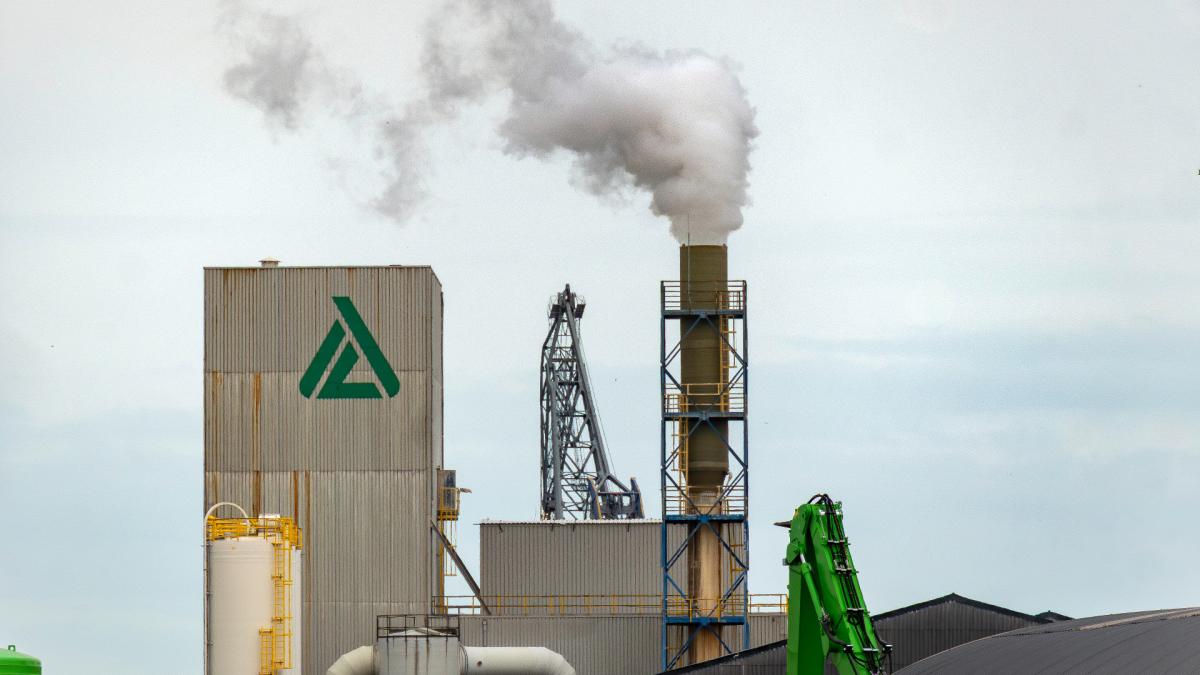
Residents of Amsterdam Noord have expressed concerns about potential health risks linked to industrial emissions, particularly from facilities like the ICL fertilizer plant. However, a recent investigation by the Amsterdam Public Health Service (GGD) has found no evidence to suggest a higher incidence of lung cancer in the area is attributable to industrial activity. The study, released on May 1, 2026, indicates that smoking remains the primary risk factor for lung cancer in Noord and suggests smoking rates may be higher in the district than the national average.
The GGD’s findings come after years of worry from local communities regarding the impact of emissions from factories in the area. Concerns have centered on potential respiratory problems, irritation, and long-term health consequences. The investigation was prompted by data showing a higher prevalence of lung cancer in Amsterdam Noord compared to the rest of the Netherlands. From 2011 to 2022, lung cancer rates in the district were 46 percent higher than the national average, and in the Buiksloterham neighborhood, the rate was even more pronounced, at 97 percent higher.
Focus on Smoking as the Primary Risk Factor
Whereas the elevated cancer rates prompted the investigation, the GGD’s analysis points strongly towards smoking as the dominant cause. The report specifically notes that, aside from smoking, no other risk factors for cancer were identified in Amsterdam Noord. The GGD acknowledges that historical smoking data for the area is incomplete, but states, “These analyses strengthen the suspicion that more was smoked in Northwest Amsterdam in the past than on average in the Netherlands.”

The study as well examined specific types of lung cancer potentially linked to air pollution, specifically non-small cell lung cancer with an EGFR mutation. However, the GGD found no increased prevalence of this type of cancer among patients in the northwestern part of Amsterdam, closest to the industrial sites, compared to patients elsewhere in the city. In fact, the percentage of patients with this mutation was even *higher* in other parts of Amsterdam.
ICL and Ongoing Concerns
The ICL fertilizer plant has been a particular focus of resident concerns, facing repeated fines for exceeding emission limits. Residents have reported experiencing nuisance odors, stinging eyes, and irritated airways. Despite these documented issues with emissions, the GGD’s research does not establish a causal link between these emissions and lung cancer.
The GGD’s report doesn’t dismiss the impact of industrial emissions on quality of life. The investigation focused specifically on lung cancer incidence, and did not assess other potential health effects related to air quality. The ongoing concerns about odor and respiratory irritation remain valid and are being addressed through separate regulatory channels.
Broader Context: Air Quality and Public Health
The GGD’s findings arrive amidst growing awareness of the impact of air quality on public health. A recent report from the GGD Noord- en Oost-Gelderland, published on April 16, 2026, revealed that no one in the provinces of Gelderland and Overijssel lived in an area that met the World Health Organization’s air quality guidelines in 2023. This report highlighted the link between air pollution and conditions such as heart disease, stroke, asthma, and lung cancer, estimating that air pollution contributes to approximately 8 to 9 months of reduced life expectancy.
While the Amsterdam Noord study doesn’t find a direct link between industrial emissions and lung cancer, it underscores the importance of addressing air quality concerns and promoting public health initiatives. The GGD emphasizes the critical role of reducing smoking rates as a key strategy for lowering lung cancer risk in the region.
What the Findings Mean for Residents
The GGD’s report offers a degree of reassurance to residents concerned about the potential cancer risks associated with industrial activity in Amsterdam Noord. However, it also highlights the importance of individual risk factors, particularly smoking. The findings suggest that public health efforts should focus on smoking cessation programs and raising awareness about the dangers of tobacco utilize.

The investigation does not negate the ongoing concerns about nuisance odors and potential respiratory irritation caused by industrial emissions. Local authorities continue to monitor emissions from facilities like ICL and enforce regulations to minimize environmental impact. Residents experiencing health issues related to air quality are encouraged to consult with their healthcare providers.
Next Steps and Ongoing Monitoring
The GGD will continue to monitor cancer rates and air quality in Amsterdam Noord. Further research may be conducted to investigate potential links between specific pollutants and other health outcomes. The local government is also committed to working with industry to reduce emissions and improve air quality in the area. The next scheduled review of emission permits for ICL Fertilizers is set for November 2026, providing an opportunity for public input and further scrutiny of the facility’s environmental performance.
This investigation serves as a reminder of the complex interplay between industrial activity, environmental health, and public well-being. While the GGD’s findings offer clarity on the specific issue of lung cancer risk, they also underscore the need for continued vigilance and proactive measures to protect the health of Amsterdam Noord residents.
Do you have questions about air quality or cancer prevention? Share your thoughts in the comments below, and please share this article with your network.