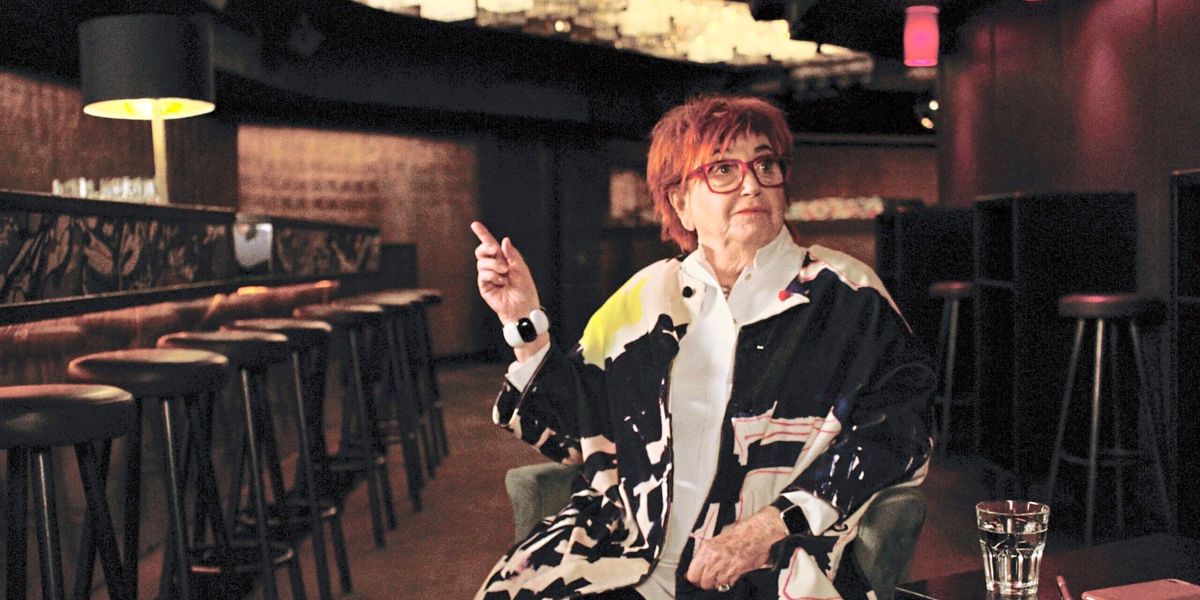
Berlin – Isa Willinger’s documentary, No Mercy, is generating significant buzz within the film world, offering a fresh perspective on the history of women in cinema. The film, which premiered at the Berlinale, examines how female filmmakers have redefined representations of womanhood on screen, often through explorations of brutality and resilience. Willinger, based in Munich, has been working in Berlin to promote the documentary, which delves into the often-overlooked contributions of women directors who challenged conventional cinematic norms.
The core of No Mercy lies in its re-evaluation of film history, shifting the focus from mainstream narratives to the work of filmmakers operating on the fringes. Willinger’s project isn’t simply a historical recounting; it’s an investigation into how these directors utilized challenging and often graphic imagery to portray the complexities of female experience. This approach, as highlighted by the film, often involved confronting societal expectations and dismantling traditional portrayals of women as passive or solely defined by their relationships to men. The documentary aims to highlight the artistic and political significance of these often-underappreciated works.
Reclaiming a Feminist Film History
The film’s title, No Mercy, speaks to the uncompromising nature of the filmmakers Willinger profiles. These directors weren’t afraid to depict difficult truths, explore taboo subjects and challenge audiences with unflinching portrayals of violence, trauma, and female agency. The documentary isn’t about glorifying brutality, but rather about understanding how these filmmakers used it as a tool to expose power imbalances and explore the darker aspects of the human condition. It’s a reclamation of a feminist film history that has often been marginalized or ignored.
According to Variety, Cinephil is boarding Isa Willinger’s documentary. This partnership suggests a wider distribution plan for the film, potentially bringing it to a larger international audience. The involvement of Cinephil, a company known for supporting independent and art-house cinema, underscores the film’s artistic merit and its potential to resonate with viewers seeking thought-provoking and challenging content.
The Berlinale and the Rise of Female Filmmakers
The Berlinale, or Berlin International Film Festival, has long been a platform for showcasing diverse and innovative cinema. The festival’s commitment to gender equality and its increasing focus on female filmmakers make it an ideal venue for the premiere of No Mercy. The festival, which ran from February 15 to February 25, 2024, according to the official Berlinale website (https://www.berlinale.de/), featured a significant number of films directed by women, reflecting a growing trend in the industry. This year’s festival, like many others, actively sought to address the historical underrepresentation of women behind the camera.
The timing of the film’s premiere at the Berlinale is particularly significant, coinciding with a broader cultural conversation about gender representation in the media. The #MeToo movement and other feminist initiatives have raised awareness of the systemic inequalities that exist in the film industry and beyond. No Mercy taps into this zeitgeist, offering a critical examination of how women have been portrayed on screen and celebrating the filmmakers who have dared to challenge those portrayals. The film’s exploration of brutality and hardship, while potentially unsettling, is presented as a necessary component of a more honest and nuanced representation of female experience.
Isa Willinger: A Voice for Underrepresented Cinema
Isa Willinger’s work consistently demonstrates a commitment to exploring marginalized perspectives and challenging conventional narratives. While details about her earlier career are limited, her focus on female filmmakers and her willingness to tackle difficult subjects suggest a deep engagement with feminist theory and a desire to amplify the voices of those who have been historically silenced. Her decision to focus on the utilize of brutality and harshness in the work of these directors is a deliberate choice, intended to disrupt expectations and force audiences to confront uncomfortable truths.
A recent discussion featuring Willinger was highlighted by Facebook as part of “Face to Face with German Films” on February 4, 2026. This event, which included a discussion with other emerging German filmmakers, provided a platform for Willinger to discuss her work and her vision for the future of cinema. The event, which took place at 9:00 A.M. PST / 12:00 P.M. EST / 5:00 P.M. GMT / 6:00 P.M. CET, demonstrates the growing recognition of German filmmakers on the international stage.
The Significance of Brutality in Female-Directed Films
The question of whether women make “harder” films is a complex one, and No Mercy doesn’t offer a simple answer. Instead, the film explores how female filmmakers have used brutality and harshness as a means of subverting expectations and challenging patriarchal norms. These directors weren’t necessarily interested in replicating the violence often found in mainstream action films; rather, they were interested in exploring the psychological and emotional consequences of violence, particularly as they relate to women. The film suggests that this approach is often rooted in a desire to expose the realities of female experience, which are often characterized by vulnerability, trauma, and systemic oppression.
The use of graphic imagery in these films is not gratuitous, but rather serves a specific artistic and political purpose. It’s a way of forcing audiences to confront uncomfortable truths and to question their own assumptions about gender, power, and violence. By refusing to shy away from difficult subjects, these filmmakers have created works that are both challenging and deeply resonant. No Mercy argues that this willingness to confront the darker aspects of human experience is what sets these films apart and makes them so important.
A review of the film by Cinema Austriaco highlights the film’s 2025 release and its critical examination of female representation in cinema. The review further emphasizes the film’s exploration of brutality and its impact on audiences.
Looking Ahead: The Future of Feminist Film
No Mercy is more than just a historical survey; it’s a call to action. The film encourages viewers to seek out and support the work of female filmmakers, and to demand greater representation and diversity in the film industry. It’s a reminder that the fight for gender equality is far from over, and that cinema has a crucial role to play in shaping our understanding of the world. The film’s success at the Berlinale and its subsequent distribution deal with Cinephil suggest that it will reach a wide audience and spark important conversations about the future of feminist film.
The next step for No Mercy will be its wider release in international markets. Cinephil’s distribution network will be instrumental in bringing the film to audiences around the world. The film is expected to be screened at other film festivals and art-house cinemas in the coming months. Viewers interested in learning more about the film can follow Cinephil’s website and social media channels for updates on screenings and distribution plans.
What are your thoughts on the representation of women in film? Share your opinions in the comments below, and don’t forget to share this article with your friends and colleagues.
Related reading