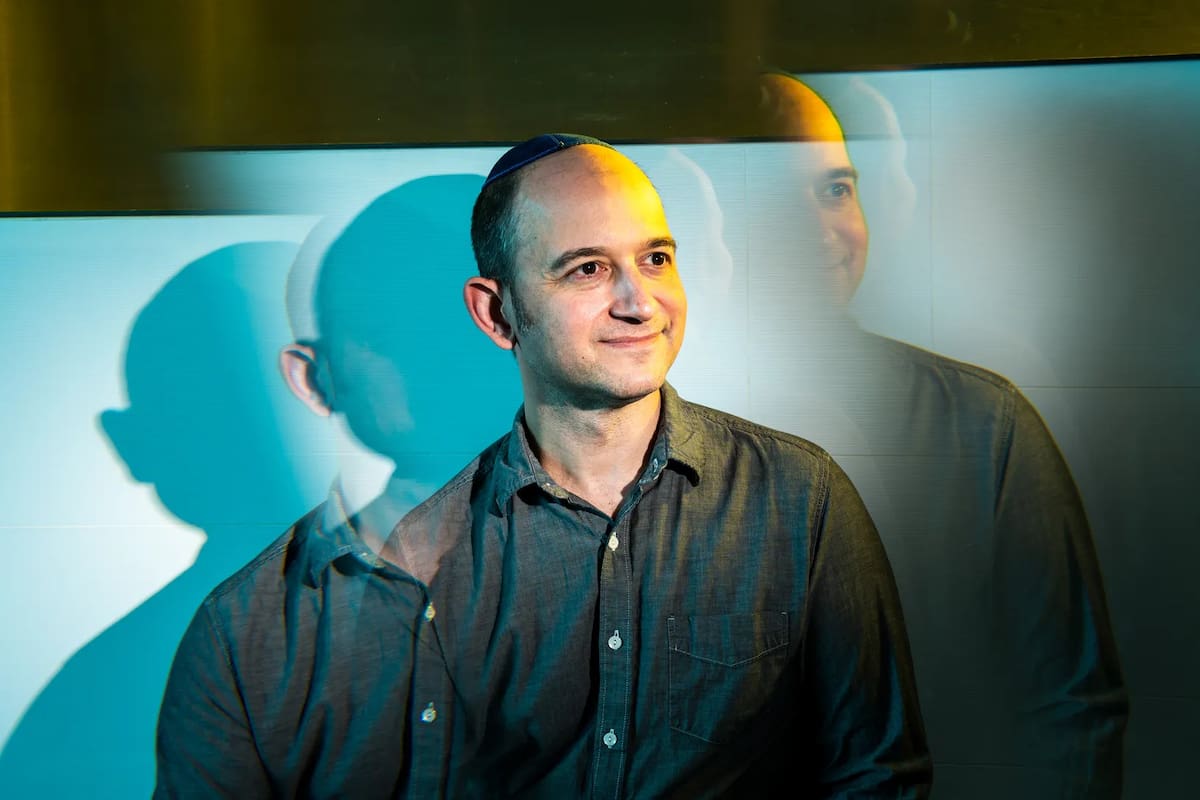
Noam Shazeer, a foundational figure in the development of modern artificial intelligence and a long-time Google researcher, has departed the company to join OpenAI. The move marks a significant shift in the ongoing competition for top-tier engineering talent among major AI laboratories, as companies race to advance large language model capabilities.
Shazeer’s transition, which was first reported by The Wall Street Journal, involves his return to the startup he previously co-founded, Character.AI, in a capacity that aligns with OpenAI’s broader infrastructure goals. The move follows Google’s decision to reabsorb Character.AI’s research team and license its technology in a deal valued at approximately $2.7 billion, according to reports from Reuters. This transaction, finalized in August 2024, effectively brought many of Character.AI’s staff, including Shazeer and co-founder Daniel De Freitas, back into the Google ecosystem before Shazeer’s subsequent move to OpenAI.
The Career Trajectory of a Transformer Pioneer
Before his recent transitions, Noam Shazeer was recognized as one of the primary architects of the Transformer architecture, the underlying technology that powers nearly all modern generative AI models. His 2017 research contributions at Google, particularly as a co-author of the seminal paper “Attention Is All You Need,” provided the technical foundation for the current AI boom, according to documentation from Google Research.

Shazeer spent over two decades at Google before leaving in 2021 to start Character.AI, a platform focused on creating conversational AI personas. His decision to return to Google in 2024 as part of the licensing agreement was initially viewed by industry analysts as a strategic “acqui-hire,” designed to bolster Google’s internal AI development teams, specifically the Gemini division. However, his swift pivot to OpenAI highlights the fluidity of the current job market for specialized AI researchers, where major firms are aggressively competing for a limited pool of experts capable of training frontier models.
Strategic Implications for OpenAI and Google
The recruitment of high-profile researchers is a central element of the broader competition between Google and OpenAI. As OpenAI continues to develop its GPT series, the integration of talent with deep experience in transformer architecture remains a priority for the firm. According to The New York Times, the cost of top-tier AI talent has reached unprecedented levels, with compensation packages for elite researchers often exceeding seven figures when accounting for equity and performance bonuses.
For Google, the loss of Shazeer is notable given his historical impact on the company’s internal research culture. Despite the $2.7 billion investment in Character.AI’s technology and talent, the company faces the challenge of retaining individuals in an environment where startups like OpenAI offer significant autonomy and equity potential. The shift underscores the “talent war” narrative, where the movement of a single researcher can trigger internal re-evaluations of compensation and retention strategies at the world’s largest technology companies.
What Happens Next in the AI Talent Market
The industry is now focused on how these personnel shifts will influence the timelines for upcoming model releases. OpenAI has not provided a specific timeline for how Shazeer’s role will impact their current research roadmap, but the company continues to scale its efforts in alignment with its mission to develop artificial general intelligence.
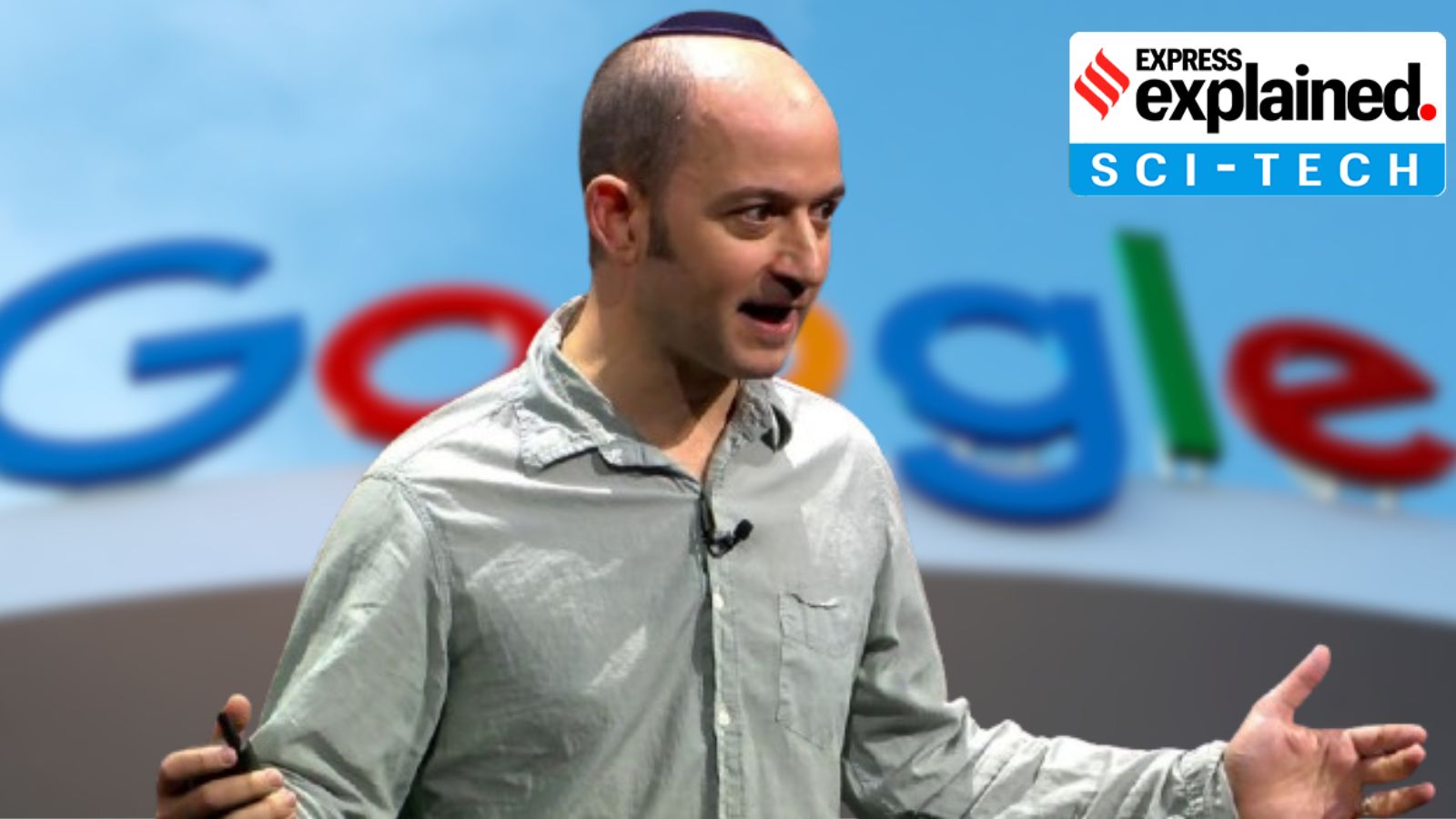
Google has similarly continued to integrate its various AI research arms, including the merger of DeepMind and Google Brain, to streamline its development processes. Observers expect that regulatory scrutiny regarding these “acqui-hires” may increase, as the Federal Trade Commission has previously signaled intent to monitor how large technology firms use such deals to consolidate talent and suppress competition, as noted in public statements from the FTC.
The next major checkpoint for these industry shifts will likely be the upcoming quarterly earnings reports for Alphabet and the next round of funding or product announcements from OpenAI. As these companies continue to compete, the movement of key researchers will likely remain a bellwether for the health and direction of the broader artificial intelligence sector.
Have you noticed changes in AI research trends? Share your thoughts in the comments or join the conversation on our community forums.