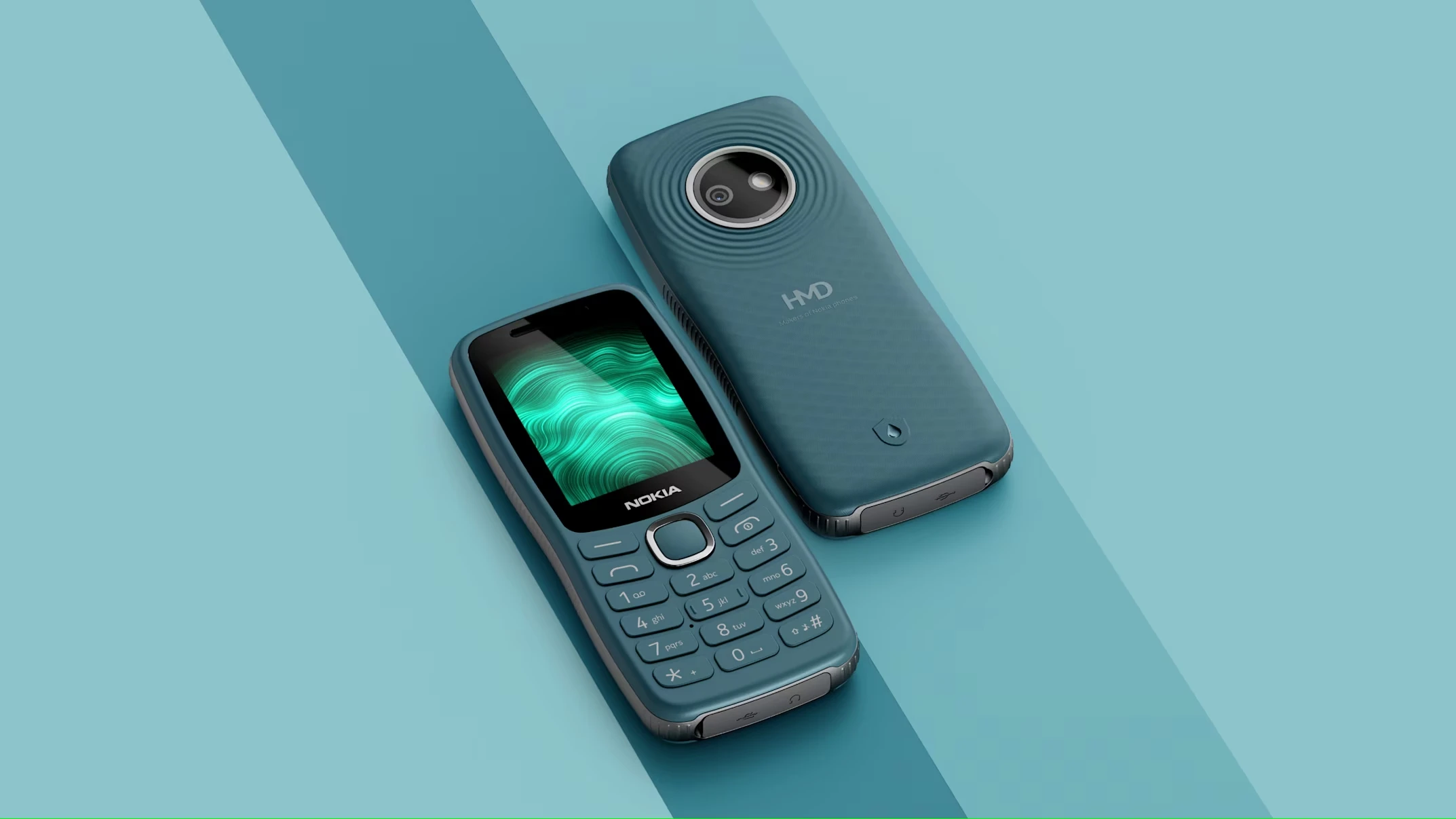
The Nokia 123 Shield is a specialized mobile device designed to prioritize privacy and basic communication by removing artificial intelligence and complex smart features. According to reports from Arabhardware, the device targets users seeking a “digital detox” or those requiring a secure, traditional phone experience that avoids the data collection associated with modern smartphones.
The handset represents a shift back to the “feature phone” era, focusing on tactile buttons and essential functions rather than touchscreens and app ecosystems. This design choice aims to eliminate the distractions of social media and the privacy risks inherent in AI-driven operating systems, providing a streamlined tool for calls and text messaging.
Industry analysts note that the demand for such devices has grown as consumers express concern over the pervasive nature of AI integration in consumer electronics. By stripping away the software layers that track user behavior, the Nokia 123 Shield positions itself as a hardware-based solution for personal privacy.
Hardware Specifications and Privacy Design
The Nokia 123 Shield utilizes a physical keypad and a non-touch display, which significantly reduces the device’s attack surface for malware and unauthorized data harvesting. According to technical specifications detailed by Arabhardware, the phone avoids the use of cloud-integrated AI assistants, ensuring that voice data and user interactions are not processed by external servers.
The “Shield” branding refers to the device’s focus on security. While most modern phones rely on software-based encryption that can be bypassed via OS vulnerabilities, the Nokia 123 Shield emphasizes a lean operating system. This minimalism prevents the background processes that typically allow apps to track location or access contacts without explicit, active user intent.
Battery life is another primary beneficiary of this architecture. Without a high-refresh-rate screen or power-hungry AI processors, the device can operate for multiple days on a single charge, a stark contrast to the daily charging cycles required by current flagship smartphones.
The Market for Non-AI Communication
The emergence of the Nokia 123 Shield coincides with a broader trend of “dumbphone” adoption among younger generations and privacy advocates. According to market observations, users are increasingly seeking devices that facilitate “intentional communication”—the act of making a call or sending a text without being interrupted by algorithmic notifications.
This movement is not merely about nostalgia. For professional sectors where data leaks are a critical risk, a device that lacks an internet-connected AI layer is a practical security asset. The Nokia 123 Shield serves as a secondary device for individuals who want to maintain a reachable line of communication without carrying their entire digital identity and data history in their pocket.
The device also addresses “screen time” fatigue. By removing the incentive for endless scrolling, the hardware encourages users to engage more with their physical surroundings. This approach treats the phone as a tool rather than a destination, reversing the design philosophy of the last decade of mobile computing.
Comparing Traditional Feature Phones to the 123 Shield
While Nokia has released various “reborn” classics in recent years, the 123 Shield differs in its explicit rejection of AI-enhanced features. Many modern feature phones still include basic versions of Google Assistant or limited web browsers that track user data. The 123 Shield is engineered to be a closed loop for communication.
The contrast is most evident in the user interface. Where a smartphone uses predictive text and AI-suggested replies, the 123 Shield relies on manual input. While this may seem less efficient to some, it ensures that the user remains the sole author of their communications, with no algorithmic influence on the drafting or delivery of messages.
Furthermore, the physical durability of the Shield aligns with the legacy of the Nokia brand. The chassis is built to withstand drops and environmental wear, mirroring the longevity of the 3310 era while incorporating modern network bands for 4G and 5G connectivity to ensure the device remains functional on current carrier infrastructures.
Impact on the Mobile Ecosystem
The release of the Nokia 123 Shield challenges the industry assumption that every single device must be “smart” to be commercially viable. If the device gains significant traction, it may signal to other manufacturers that there is a profitable niche for “silent” hardware—devices that do not compete for the user’s attention through notifications and AI prompts.
This shift could lead to a diversification of the mobile market, where consumers choose a device based on their current mental state or specific situational needs—using a smartphone for work and a “Shield” device for personal time and privacy.
For the broader tech industry, the Nokia 123 Shield serves as a benchmark for what is possible when the goal is subtraction rather than addition. It proves that removing features can be a value-added proposition for a specific, growing segment of the global population.
Official availability and regional pricing for the Nokia 123 Shield are expected to be updated via HMD Global’s official channels as the device rolls out to international markets. Users interested in the device can monitor official Nokia press releases for shipping dates and carrier partnerships.
Share your thoughts on the return of the traditional phone in the comments below or share this article with someone looking to disconnect from the AI cycle.
Keep reading