
French actress and singer Nolwenn Leroy has taken on a new challenge beyond her musical career, delivering a standout performance in the highly anticipated historical drama series L’Été 36. The show, which premiered on TF1 on May 18, 2026, has already captured audiences with its rich storytelling and lavish production design. Leroy, known for her powerful vocals and emotional depth, now brings a new dimension to her craft as she portrays Giulia Vincent, a character navigating complex personal and financial struggles in the glamorous yet precarious world of a luxury Riviera palace.
In a recent interview, Leroy shared her enthusiasm for a particular scene from the series’ first episode—a glamorous casino sequence where she appears in an opulent evening gown. The actress revealed her dedication to the role, stating, “J’ai tout donné !” (“I gave everything I had!”) in reference to the intensity required to bring Giulia’s character to life. This moment, which has already sparked conversations among viewers and critics alike, underscores the series’ ambition to blend historical intrigue with high-stakes drama.
The casino scene, set against the backdrop of 1936—a pivotal year marked by the introduction of paid vacations in France—serves as a microcosm of the era’s contradictions. While the French government was expanding social protections, the world was on the brink of darker times, with the rise of fascism looming. L’Été 36 appears to explore these tensions through the lens of its characters, many of whom are entangled in personal and political dilemmas. Leroy’s portrayal of Giulia Vincent, a governess facing financial ruin, adds a layer of vulnerability to the series’ otherwise polished exterior.
Why This Scene Matters
The casino sequence is more than just a visual spectacle. it symbolizes the excess and desperation that defined the era. For Leroy, who has long been celebrated for her authenticity both on and off stage, this role represents a departure into dramatic territory. Her character’s struggles—financial instability, moral compromises, and the looming threat of war—mirror the broader anxieties of the time. The scene’s success hinges not only on its production value but also on Leroy’s ability to convey Giulia’s inner turmoil beneath the surface of her glamorous facade.
L’Été 36 is part of a recent wave of French historical dramas that have gained international acclaim, following in the footsteps of series like The Bazaar of the Charité (2019) and Montmartre (2025). These productions have redefined how audiences engage with France’s past, blending meticulous research with compelling storytelling. With a cast that includes Sofia Essaïdi, Julie de Bona, and Constance Gay, the series promises to deliver a rich tapestry of characters and conflicts, all set against the stunning backdrop of the French Riviera.
Nolwenn Leroy: A Multifaceted Artist Embracing New Challenges
Leroy’s transition from music to acting is not entirely new. Over the years, she has occasionally ventured into film and television, though her primary focus has remained her singing career. Her decision to take on L’Été 36 marks a significant commitment to acting, one that has been met with praise from both fans and industry professionals. The role of Giulia Vincent allows her to showcase her dramatic range, a skill she has hinted at in past interviews but rarely had the opportunity to fully explore.

In addition to her acting, Leroy continues to balance her musical career, which includes a dedicated fanbase and a discography spanning multiple genres. Her ability to juggle these roles speaks to her versatility and dedication. For fans of her music, this new chapter in her career offers a fresh perspective on her talents, proving that her artistry extends far beyond the stage.
While details about the series’ reception are still emerging, early feedback suggests that L’Été 36 is poised to become a standout entry in the historical drama genre. The casino scene, in particular, has been highlighted as a standout moment, with Leroy’s performance drawing comparisons to other iconic actresses who have mastered the art of blending elegance with emotional depth.
The Historical Context: 1936 and the Birth of Paid Vacations
The year 1936 was a turning point in French history. The newly elected Popular Front government, led by Léon Blum, introduced sweeping social reforms, including the Law of June 20, 1936, which established paid vacations for workers—a radical departure from the previous norm. This legislation not only improved the quality of life for millions of French citizens but also symbolized a broader shift toward social democracy in Europe.
L’Été 36 appears to draw inspiration from this transformative period, using the Riviera as a microcosm of the era’s contradictions. While the upper class enjoyed lavish lifestyles in casinos and palaces, the working class was beginning to assert its rights through labor movements and political activism. The series seems to explore these dynamics, with Leroy’s character serving as a bridge between the two worlds—someone who is both a product of her environment and a participant in its upheavals.
The Riviera itself, with its glamorous resorts and international clientele, was a hub of cultural and political activity during the 1930s. Figures like Coco Chanel and Ernest Hemingway frequented its beaches and cafés, while the region’s casinos attracted high rollers from around the globe. L’Été 36 taps into this rich history, using the setting to create a sense of authenticity that grounds its fictional narrative in real-world events.
Behind the Scenes: Production and Casting
The production of L’Été 36 is a testament to the collaborative effort behind modern television dramas. TF1, France’s most-watched television channel, has invested heavily in the series, ensuring that it meets the high standards expected of its audience. The casting of Leroy, Essaïdi, de Bona, and Gay brings together some of the most talented actors in the French industry, each contributing to the series’ depth and complexity.
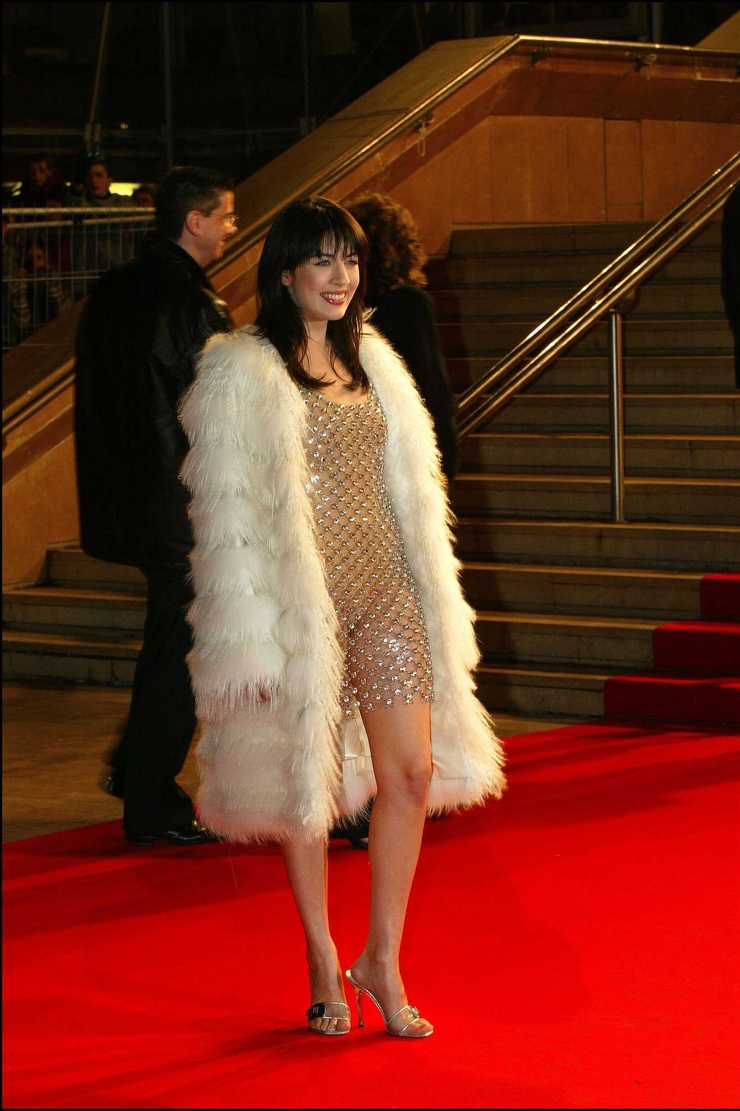
Leroy’s preparation for the role included extensive research into the fashion, language, and social norms of the 1930s. Her commitment to authenticity is evident in the scene where she appears in a custom-designed evening gown, a choice that reflects the era’s penchant for extravagance. The costume, along with the set design, plays a crucial role in immersing viewers in the world of L’Été 36, making the past feel tangible and immediate.
While the series is still in its early stages, its potential to resonate with audiences lies in its ability to weave together personal drama with historical context. By focusing on the lives of individuals caught in the crosscurrents of change, L’Été 36 offers a humanizing perspective on a pivotal moment in history.
What to Expect Next
With the first episode of L’Été 36 now aired, viewers can look forward to more revelations about Giulia Vincent’s story and the broader narrative unfolding in the series. TF1 has not yet announced a release date for the second episode, but given the show’s ambitious scope, it is likely to be scheduled within the next few weeks. Fans of historical dramas and Leroy’s work will undoubtedly be eager to see how her character evolves in the face of the challenges she encounters.
For now, the casino scene remains a highlight, offering a glimpse into the world of L’Été 36 and the talents of its lead actress. As the series progresses, it promises to deliver a rich and engaging exploration of a defining era in French history.
We invite readers to share their thoughts on L’Été 36 and Nolwenn Leroy’s performance in the comments below. Have you watched the first episode? What did you think of the casino scene and Leroy’s portrayal of Giulia Vincent? Join the conversation and let us know what you’re looking forward to in the upcoming episodes.
Keep reading