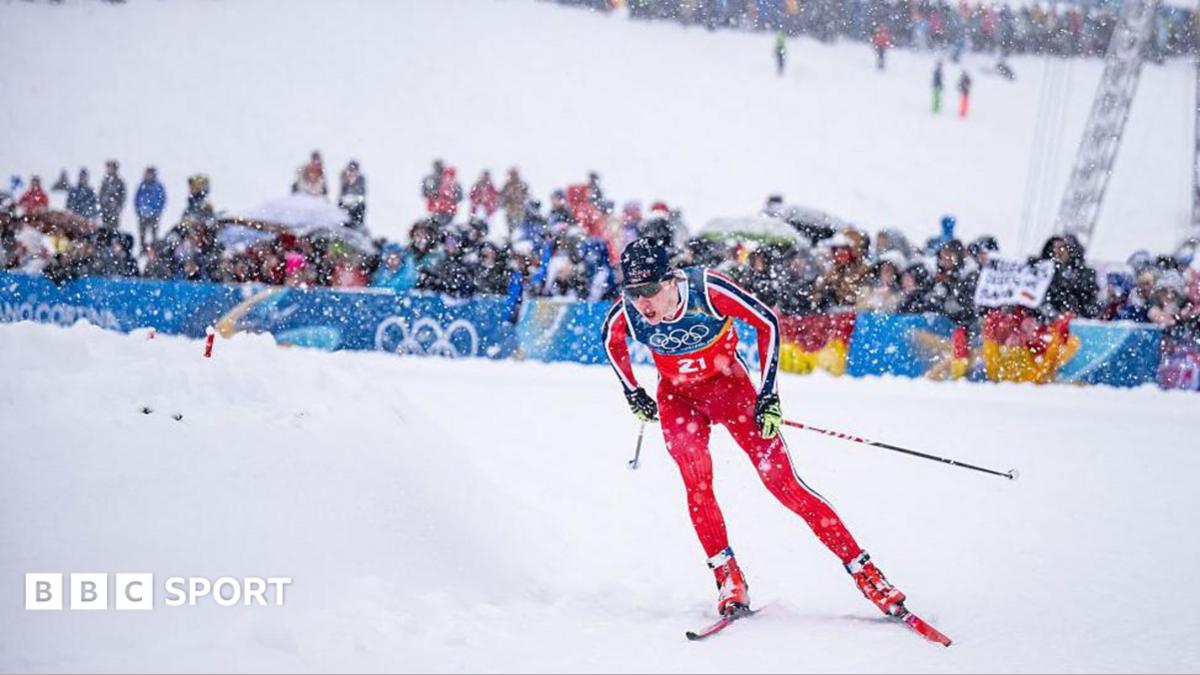
The International Olympic Committee (IOC) has confirmed that Nordic combined will not be included on the sports program for the 2030 Winter Olympics, marking the first time the discipline has been absent from the Olympic schedule since its inaugural appearance in 1924. This decision stems from a sustained lack of global participation and limited broadcast interest, according to the International Olympic Committee official program reports.
As the Sports Editor at World Today Journal, I have followed the evolution of winter sports for over a decade. The removal of Nordic combined—a grueling test of athleticism requiring both ski jumping and cross-country skiing—represents a significant shift in the Olympic movement’s approach to event sustainability and audience engagement. While the sport remains a cornerstone of the FIS Nordic World Ski Championships, its inability to achieve gender parity and broaden its reach beyond a small cluster of European nations ultimately led to its exclusion from the 2030 program.
Why Nordic Combined Lost Its Olympic Status
The primary driver for the IOC’s decision was the sport’s persistent struggle to meet the criteria for gender equality. While other winter disciplines have successfully integrated women’s events, Nordic combined remained the only sport on the Winter Olympic program without a women’s competition, a point of contention during the International Ski Federation (FIS) reviews leading up to the 2026 Milano Cortina Games. The IOC requires all sports to show progress toward universal participation; the failure to implement a robust women’s circuit left the sport vulnerable during the evaluation process for the 2030 cycle.

Beyond gender parity, the IOC cited a lack of competitive depth. Data from the Olympic Games department indicates that the talent pool for Nordic combined is concentrated within a handful of nations, primarily in Central and Northern Europe. With few countries investing in the infrastructure required for the two-pronged discipline, the IOC concluded that the sport did not meet the necessary threshold for global viewership or geographic diversity, which are key metrics for modern Olympic inclusion.
A Century of Tradition Ending
Since the first Winter Olympics in Chamonix in 1924, Nordic combined has been a staple of the Games. For nearly 100 years, it was viewed as the ultimate test of a Nordic athlete’s versatility. However, the sport has faced existential challenges in the 21st century. The high cost of maintaining ski jumping facilities, combined with the specialized training required for cross-country skiing, created a high barrier to entry for emerging national committees.

The International Ski Federation has maintained that the sport remains vital to the winter sports ecosystem, yet the IOC’s mandate prioritizes sports that can demonstrate growth in popularity. The exclusion from 2030 is viewed by many analysts as a warning to other traditional winter sports that fail to evolve their format or appeal to a younger, more diverse demographic. The transition away from legacy events is part of a broader IOC strategy to keep the Winter Games commercially viable and operationally lean.
What Happens Next for Athletes
For current athletes, the exclusion from the 2030 program creates significant uncertainty regarding funding and national support. Many competitors rely on Olympic solidarity grants and national federation backing, both of which are often tied to Olympic performance. The FIS continues to organize the World Cup circuit, which remains the highest level of competition for the sport outside of the Olympics. Athletes are currently looking toward the FIS official updates for potential changes to the World Cup structure, which may be expanded to fill the void left by the Olympic absence.
The next major checkpoint for the sport’s governing body will be the upcoming FIS Congress, where stakeholders are expected to discuss long-term strategies for promoting the sport in non-traditional markets. While the door to the Olympics is closed for 2030, the sport’s survival now depends on its ability to foster a global fan base and solidify a women’s circuit that can satisfy future IOC requirements. We will continue to track official announcements regarding the 2030 program and any future lobbying efforts from the FIS as they emerge.
What are your thoughts on the evolution of the Winter Olympic program? Join the conversation in the comments section below and share this report with your network to keep the discussion going.