
A structured exercise program involving Nordic walking can significantly reduce symptoms of depression in as little as five weeks, according to a randomized controlled trial published in the Journal of Affective Disorders. The study, which compared the mental health outcomes of patients participating in Nordic walking against those in standard aerobic exercise programs, found that the specific physical demands of using poles provided a unique therapeutic benefit for individuals experiencing clinical depression.
As a physician, I have long observed the intersection of physical activity and psychiatric well-being. This research offers a concrete, low-barrier intervention that integrates full-body movement with outdoor engagement. By utilizing poles to propel the body forward, participants engage a broader range of muscle groups compared to standard walking, which researchers suggest may heighten the neurological and physiological benefits of the activity.
Understanding the Mechanics of Nordic Walking
Nordic walking is defined by the use of specialized poles that transform a standard walking gait into a full-body workout. Unlike trekking or hiking, where poles are often used for stability on uneven terrain, Nordic walking poles are used to actively push against the ground with every stride. According to the International Nordic Walking Federation, this technique engages approximately 90% of the body’s skeletal muscles, including the core, back, and upper extremities, which are often underutilized during traditional walking.
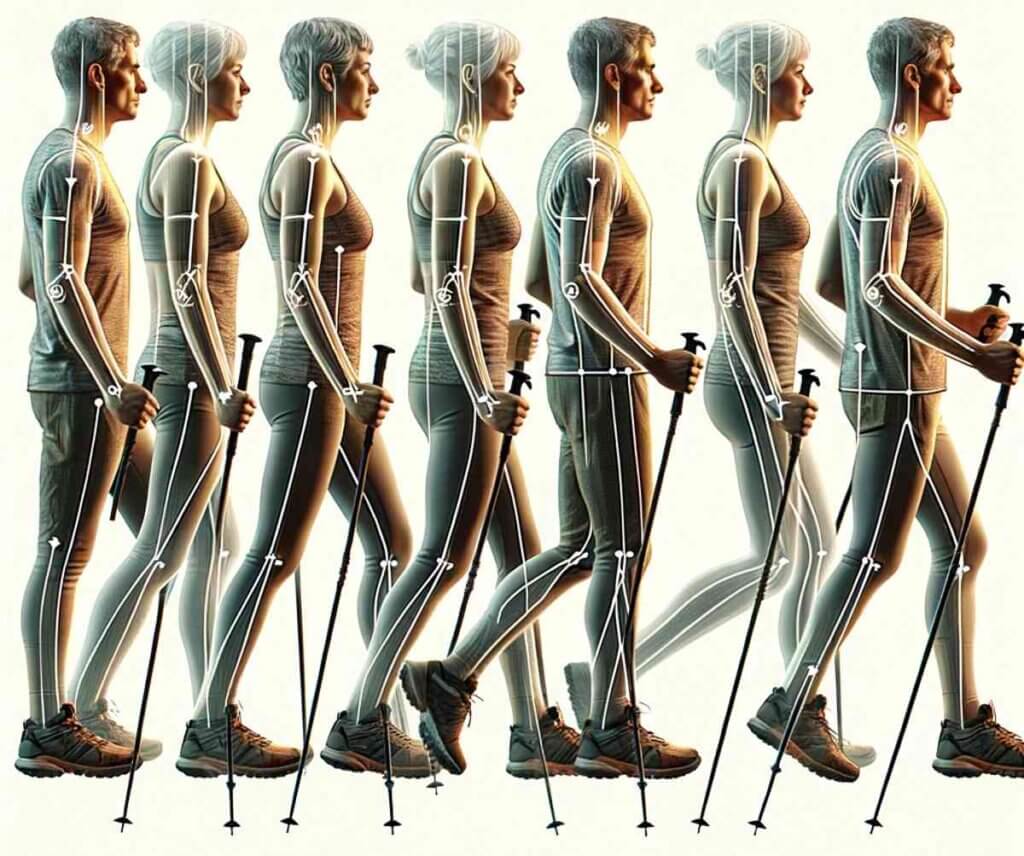
The practice originated in Finland as a summer conditioning routine for cross-country skiers, allowing athletes to maintain their cardiovascular fitness and upper-body strength during the off-season. Today, it has evolved into a global public health tool. By increasing the intensity of the exercise without necessarily increasing the speed of the gait, Nordic walking allows individuals with varying levels of physical fitness to achieve a high-intensity aerobic workout that stimulates the release of endorphins—the body’s natural mood-elevating chemicals.
Clinical Evidence and Mental Health Outcomes
The recent trial, which focused on the impact of this exercise on major depressive disorder, monitored participants over a five-week intervention period. The researchers noted that the combination of rhythmic movement, bilateral coordination, and the requirement for focused attention on pole placement may contribute to a “mindfulness” effect. This state of active concentration serves as a distraction from ruminative thought patterns, a common symptom associated with clinical depression.
Data from the study indicated that those who engaged in consistent, instructor-led Nordic walking sessions reported a more substantial decrease in depressive symptom scores compared to control groups performing moderate-intensity gym-based aerobic exercise. These findings align with broader clinical guidelines from the World Health Organization, which consistently advocate for regular physical activity as a non-pharmacological component of treatment plans for mild to moderate depression.
Why Full-Body Engagement Matters
The physiological demand of Nordic walking is a critical factor in its efficacy. Because the exercise requires the use of the upper body to generate forward momentum, it increases the total energy expenditure of the session. According to a review by the National Institutes of Health, this elevated heart rate response—achieved with a lower perceived exertion than running—makes it an ideal intervention for patients who may be discouraged by high-impact exercise.
The engagement of the upper body also improves posture and spinal mobility. For patients struggling with the somatic symptoms of depression, such as lethargy or physical tension, the act of “opening up” the chest and engaging the back muscles can have a positive feedback loop on mood. The rhythmic, repetitive nature of the activity acts as a form of “moving meditation,” which has been shown in various clinical settings to lower cortisol levels and reduce systemic inflammation linked to mood disorders.
Practical Guidance for Starting
For those interested in incorporating Nordic walking into their health routine, the barrier to entry is relatively low. However, technique is paramount to ensure the 90% muscle engagement mentioned in clinical literature. Proper pole length and the correct “plant and push” technique are necessary to prevent injury and maximize the aerobic benefit.
Clinical experts recommend the following steps for beginners:
- Consult with a primary care physician before beginning a new exercise regimen, especially if managing existing health conditions.
- Seek out a certified instructor to learn the proper biomechanics, which prevents wrist strain and ensures efficient muscle activation.
- Start with shorter, 20-minute sessions to allow the body to adapt to the new movement pattern.
- Focus on consistency; the mental health benefits are cumulative and are best realized through regular, scheduled activity.
As the medical community continues to explore the efficacy of movement-based therapies, Nordic walking stands out as a highly accessible, low-cost intervention. While it is not a replacement for professional psychiatric care or medication, it serves as a powerful complementary tool for those seeking to improve their mental health through physical activity.
The next major update on non-pharmacological interventions for depression is expected at the upcoming European Psychiatric Association congress, where further data on exercise-based therapies will be presented. Readers are encouraged to monitor local health department bulletins for community-based walking programs and share their experiences in the comments section below.
Related reading