North Korea Shifts Stance, Calls for Rethinking of Denuclearization Demands
Recent developments signal a potential shift in North Korea’s approach to international negotiations, particularly regarding its nuclear weapons program. Pyongyang is increasingly suggesting the United States abandon its long-held demand for complete denuclearization. This comes amidst a display of advanced missile technology and strengthening ties with Russia and China.
A New Missile Display & Assertive Posture
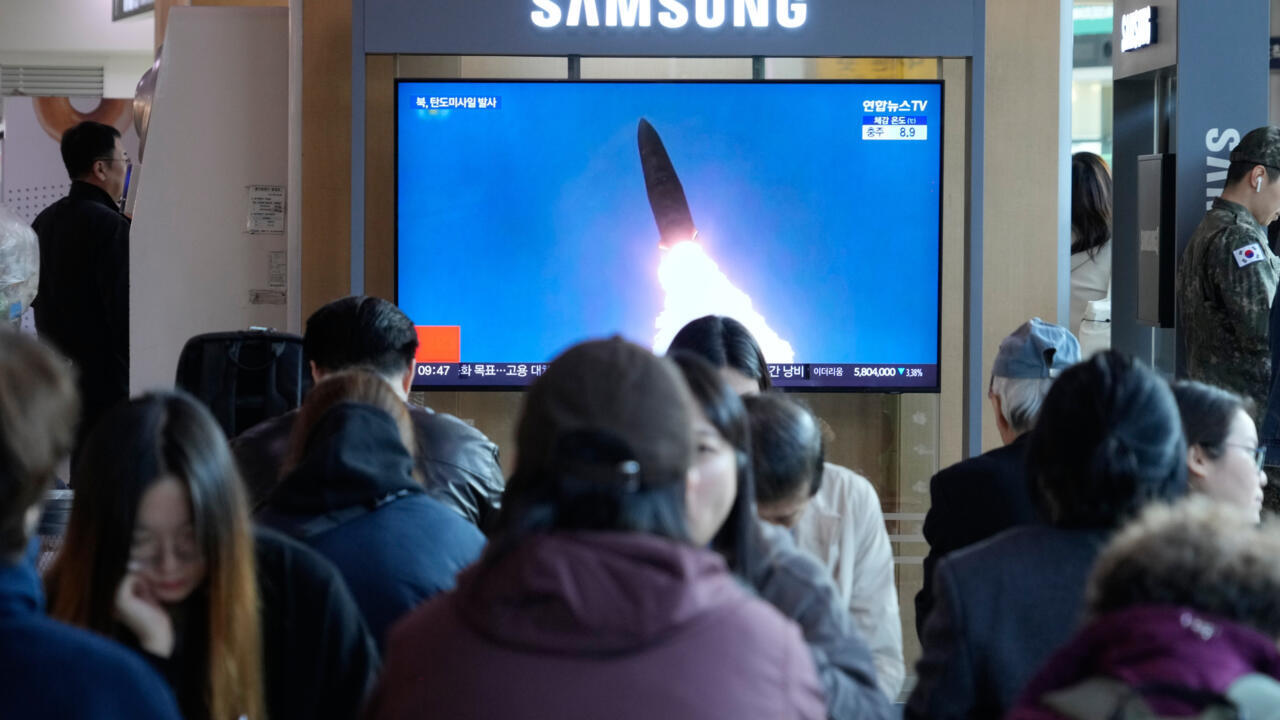
North Korea recently showcased what it claims is its “most powerful” intercontinental ballistic missile (ICBM) during a large military parade. Top officials from Russia and China were in attendance, highlighting evolving geopolitical alignments.Pyongyang asserts the new Hwasong-20 ICBM has an unlimited range,capable of reaching any target.
Furthermore, Kim Jong Un oversaw a successful test of a solid-fuel engine crucial for long-range nuclear missiles in September. this was reportedly the final test in a series, suggesting a full ICBM test-fire could occur soon.
Responding to regional Dynamics & Past Negotiations
These actions appear to be a direct response to ongoing regional events and a reassertion of North Korea’s presence on the global stage. Analysts suggest the timing coincides with anticipated visits from key international figures.
For years,North Korea has conducted missile tests demonstrating its claimed ability to reach the continental United States. The core issue remains the U.S. insistence on complete denuclearization, a demand that has consistently stalled progress.
A Potential Opening for Dialog?
Interestingly, Pyongyang has recently indicated a willingness to re-engage in talks with the U.S. Kim Jong Un has publicly expressed “fond memories” of his previous summits with a former U.S. leader. He suggested another meeting is absolutely possible if the U.S.alters its approach.
“If the United States discards its delusional obsession with denuclearisation and, based on recognising reality, truly wishes for peaceful coexistence with us, then there is no reason we cannot meet it,” Kim stated through state media. This represents a significant, albeit conditional, opening.
Strengthening Alliances & Circumventing Sanctions
North Korea continues to face numerous international sanctions imposed by the United Nations due to its nuclear and missile programs. However, the country is actively working to strengthen relationships with traditional allies, particularly China and Russia. This strategy aims to mitigate the impact of sanctions and bolster its strategic position.
here’s a breakdown of key factors influencing the current situation:
* Advanced Missile Technology: North Korea is demonstrably advancing its ICBM capabilities.
* Shifting Alliances: Strengthening ties with Russia and China provide crucial support.
* Conditional Dialogue: Pyongyang signals openness to talks, but only with a change in U.S. policy.
* Persistent Sanctions: International pressure remains a significant challenge.
Ultimately, the future of negotiations hinges on whether the U.S. is willing to reconsider its long-standing denuclearization demand. You, as a follower of international affairs, should understand that a pragmatic approach, acknowledging North Korea’s stated commitment to maintaining its arsenal, may be necessary to achieve any meaningful progress. This evolving situation demands careful observation and a nuanced understanding of the complex geopolitical dynamics at play.
Related reading