
North Korea has recently intensified its focus on integrating emerging technologies into its military arsenal, with state media reporting advancements in the development of artificial intelligence-guided weapon systems. These developments, which have drawn significant attention from regional observers and international security analysts, reflect a broader push by Pyongyang to modernize its tactical capabilities. As the global geopolitical landscape shifts, the intersection of autonomous systems and conventional ballistic weaponry remains a focal point for defense experts monitoring the Korean Peninsula.
The Democratic People’s Republic of Korea (DPRK) has long sought to enhance the precision and reliability of its missile programs. By incorporating AI-driven guidance, military planners in Pyongyang aim to increase the lethality and tactical flexibility of their short-range and medium-range ballistic missiles. According to reports from the state-run Korean Central News Agency (KCNA), these tests are designed to refine the “autonomous navigation” and “smart targeting” capabilities of their tactical weapons. Such advancements suggest an evolving strategy intended to bypass traditional missile defense shields through enhanced maneuverability and terminal-phase correction.
The Strategic Implications of Autonomous Weaponry
The push toward AI-enabled missile technology is not merely a technical upgrade; it represents a strategic shift in how the North Korean military envisions future conflicts. By reducing the reliance on external guidance systems—such as satellite constellations that could be jammed or disrupted—the DPRK seeks to ensure that its tactical assets remain operational even in contested environments. Defense analysts note that this development parallels global trends where nations are increasingly investing in autonomous military systems to maintain deterrence.
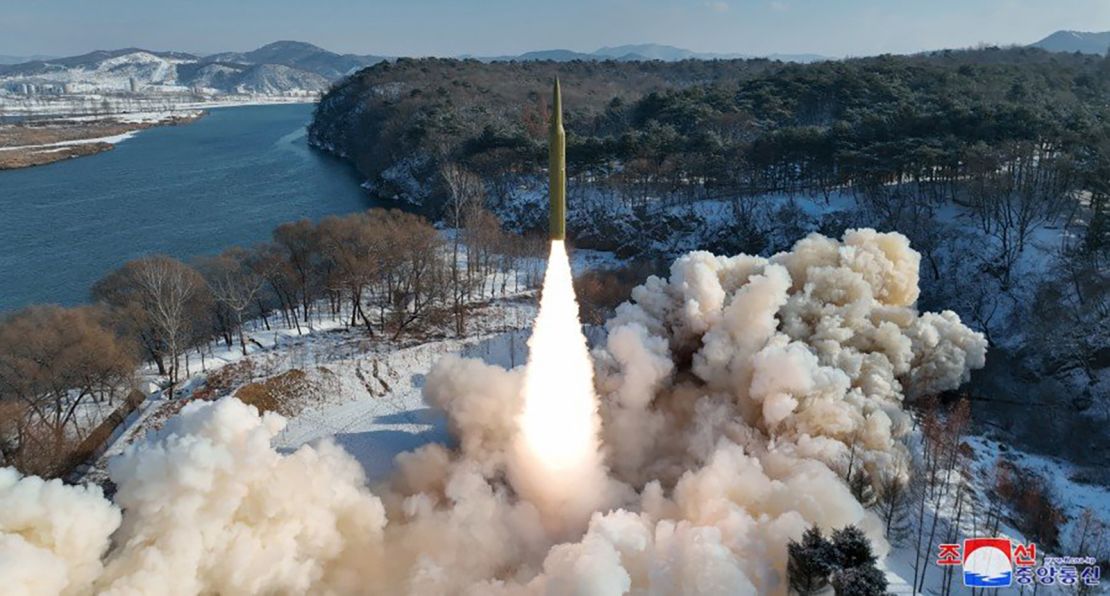
However, the integration of AI into missile guidance systems introduces significant uncertainty regarding regional stability. Experts from the Center for Strategic and International Studies (CSIS) emphasize that while the reported advancements are concerning, the actual combat effectiveness of these systems remains tricky to verify independently. The transition from controlled testing environments to real-world battlefield functionality involves complex challenges, including sensor fusion, algorithmic reliability, and resilience against electronic warfare countermeasures.
Monitoring the Korean Peninsula: A Regional Perspective
For neighbors such as South Korea and Japan, the advancements in North Korean missile technology underscore the necessity for robust, multi-layered defense strategies. The U.S., Republic of Korea, and Japan have consistently conducted trilateral exercises to improve interoperability and response times against potential ballistic threats. These exercises serve as a cornerstone for maintaining security in the Indo-Pacific region, acting as a counterbalance to the frequent missile tests conducted by Pyongyang.
The international community remains vigilant, with the United Nations Security Council (UNSC) maintaining a sanctions regime against North Korea aimed at curbing its nuclear and ballistic missile proliferation. Despite these measures, Pyongyang continues to pursue technological self-reliance, viewing its military modernization as a vital component of its national security policy.
What Lies Ahead: Verification and Diplomacy
As the situation develops, the focus remains on the frequency and sophistication of North Korean missile launches. International monitors, including the International Atomic Energy Agency (IAEA), continue to track activities at known test sites, emphasizing the need for transparency and adherence to international non-proliferation norms. The technical claims made by state media are often interpreted by outside observers as both a message to domestic audiences and a signal to regional rivals regarding the North’s growing military competence.
The next major checkpoint for international observers will involve the ongoing analysis of missile flight telemetry and debris recovered from recent tests. While diplomatic channels remain strained, the imperative for clear communication and conflict prevention on the peninsula has never been higher. Understanding the limitations and the true potential of AI-guided missiles will be essential for policymakers as they navigate the next chapter of security in East Asia.
We invite our readers to share their perspectives on the rapidly changing nature of military technology and its impact on global security. How do you believe the international community should respond to the rise of autonomous weapon systems? Join the conversation in the comments section below.
Related reading