
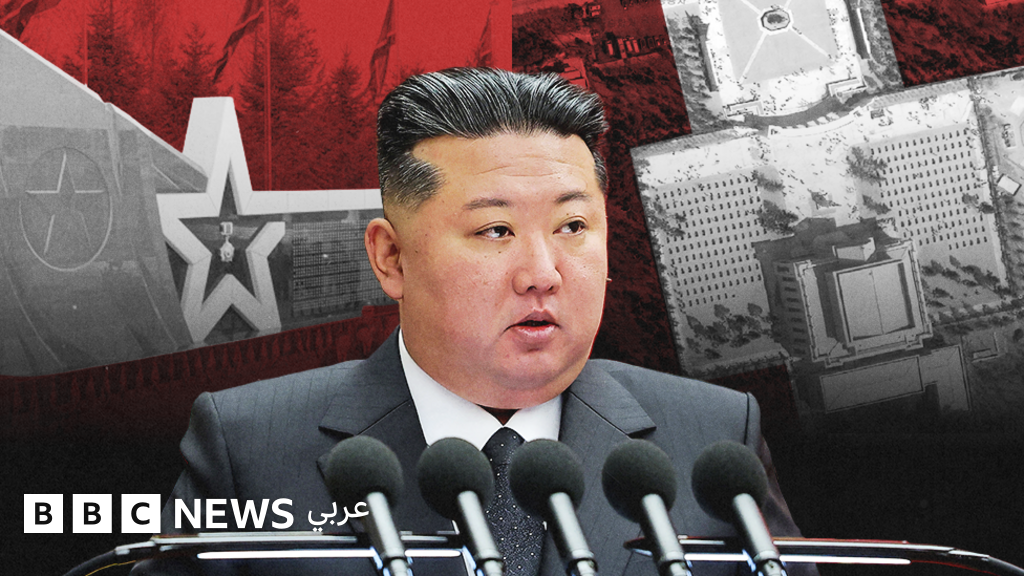
The geopolitical landscape of the conflict in Ukraine has entered a volatile new chapter as the deployment of North Korean soldiers in Russia’s war becomes an undeniable reality. What began as a clandestine arrangement of ammunition shipments has evolved into a direct military intervention by Pyongyang, shifting the strategic calculus for NATO, Kyiv, and Seoul. This escalation represents more than just a tactical boost for the Kremlin. it is a profound gamble by Kim Jong Un to secure Russia’s technological and diplomatic patronage at the cost of North Korean lives.
As the fog of war clears around the Kursk region, reports of significant North Korean casualties are beginning to surface, peeling back the curtain on a partnership defined by secrecy and desperation. While Pyongyang maintains a rigid grip on information, the emerging evidence of losses suggests that the “volunteers” sent to support Vladimir Putin are facing the brutal realities of modern high-intensity warfare. This revelation transforms the narrative from one of strategic cooperation to one of human cost, as thousands of soldiers find themselves fighting in a foreign land for a cause far removed from their own borders.
The integration of North Korean troops into Russian operations marks the first time since the Korean War that soldiers from the peninsula have been deployed in a major European conflict. For the international community, the presence of these forces serves as a stark reminder of the deepening “axis of convenience” between Moscow and Pyongyang. This alliance, codified in a mutual defense pact, has effectively globalized a regional war, raising the stakes for a potential direct confrontation between North Korea and the West.
The Hidden Cost of the Kursk Deployment
The deployment of North Korean forces has been centered primarily in the Kursk region, where Russia has attempted to maintain a foothold on Ukrainian soil. Intelligence reports indicate that the North Korean contingent, estimated by South Korean intelligence to be between 10,000 and 12,000 troops, has been utilized both as reserve forces and in direct assaults. However, the lack of experience in electronic warfare and drone-centric combat has led to what analysts describe as “disproportionate” losses during initial engagements.

While the North Korean government has not officially acknowledged the death tolls, the “hidden” nature of these casualties is becoming a focal point for international observers. Unlike Russian losses, which are tracked by various independent monitors, North Korean deaths are obscured by a total information blackout. There are no public casualty lists, and families in Pyongyang are reportedly kept in the dark about the fate of their sons. This secrecy is a cornerstone of the Kim regime’s strategy to maintain domestic stability while reaping the rewards of the Russian alliance.
The psychological toll on these soldiers is compounded by the extreme conditions of the front lines and the language barrier between North Korean commanders and Russian officers. Reports suggest that many North Korean units were thrust into combat with minimal coordination, leading to avoidable casualties. The revelation of these losses serves as a grim testament to the expendability of the North Korean soldier in the eyes of the regime, treated more as a currency for diplomatic leverage than as a professional military force.
The Strategic Pact: A Deal in Blood
The foundation for this military intervention was laid in June 2024, when Vladimir Putin and Kim Jong Un signed the Comprehensive Strategic Partnership Treaty. This landmark agreement includes a mutual defense clause, stipulating that if either country is attacked, the other will provide immediate military assistance. While the treaty was initially viewed as a symbolic gesture of friendship, the subsequent deployment of troops proves it is a functional military alliance.
For Kim Jong Un, the price of this treaty is the lives of his soldiers; the reward is a suite of Russian advancements. Pyongyang is widely believed to be seeking Russian assistance in satellite technology, nuclear-powered submarines, and missile guidance systems. By providing “boots on the ground,” Kim is attempting to bypass international sanctions and accelerate North Korea’s ambitions to become a recognized nuclear superpower. This trade—manpower for technology—highlights the transactional nature of the Moscow-Pyongyang relationship.
From the Kremlin’s perspective, the North Korean troops provide a critical source of manpower that allows Russia to sustain its offensive without relying solely on unpopular domestic mobilizations. By utilizing foreign troops in high-risk sectors like Kursk, Putin can mitigate the political risk of rising Russian casualty counts while maintaining pressure on the Ukrainian defense. This strategic outsourcing of war underscores Russia’s increasing reliance on non-traditional allies to sustain its long-term military goals.
Orders of Absolute Loyalty and the Fear of Capture
One of the most harrowing aspects of the North Korean deployment is the rigid command structure and the orders given to soldiers regarding capture. Intelligence reports from the South Korean National Intelligence Service (NIS) suggest that North Korean troops have been issued strict directives to avoid surrender at all costs. In some instances, reports indicate that soldiers have been told that capture is a betrayal of the state, punishable by the execution of their families back in North Korea.

This “no surrender” policy creates a desperate environment on the battlefield. Soldiers are caught between the lethal reality of Ukrainian artillery and the existential threat posed by their own government. This pressure is designed to ensure that North Korean troops fight with a level of fanaticism that offsets their lack of technical training. However, it also increases the likelihood of casualties, as soldiers may be discouraged from retreating or seeking medical evacuation if it is perceived as a sign of weakness or failure.
The internal discipline within the North Korean units is maintained by political officers who monitor every action of the soldiers. These officers ensure that ideological purity is maintained even in the trenches of Kursk. The fear of the political officer is often greater than the fear of the enemy, creating a military environment where obedience is the only means of survival. This system of total control is essential for Kim Jong Un, as it prevents the soldiers from being influenced by the outside world or the reality of the war they are fighting.
Global Implications and the Response from Seoul
The presence of North Korean troops in Europe has fundamentally altered the security dynamics of the Korean Peninsula. South Korea, which has previously maintained a cautious approach toward its northern neighbor, is now facing a scenario where North Korean troops are gaining real-world combat experience against Western-supplied weaponry. The South Korean government has expressed grave concern that this experience will make the North Korean military more effective and dangerous in any future conflict on the peninsula.
In response, Seoul has reconsidered its position on providing lethal aid to Ukraine. While South Korea had previously refrained from sending weapons to Kyiv to avoid further provoking Pyongyang, the deployment of North Korean troops has created a strong political impetus to change this policy. The logic is simple: if North Korea is directly involved in the war, South Korea’s interest in supporting Ukraine is no longer just a matter of global solidarity, but a direct matter of national security.
The United States and NATO have also reacted with alarm, viewing the deployment as a dangerous precedent. The involvement of a nuclear-armed state in a European conflict increases the risk of miscalculation and escalation. US officials have warned that the “blood pact” between Russia and North Korea is a threat to global stability, prompting a tightening of sanctions and increased intelligence sharing between the US, South Korea, and Ukraine to track the movement of North Korean forces.
Key Takeaways: The North Korean Intervention
- Manpower Exchange: North Korea has deployed an estimated 10,000 to 12,000 troops to Russia, primarily in the Kursk region, in exchange for military technology and diplomatic support.
- High Casualty Rates: Due to a lack of experience with modern drone and electronic warfare, North Korean forces have suffered significant, though officially hidden, losses.
- The June 2024 Treaty: The deployment is the direct result of the Comprehensive Strategic Partnership Treaty, which mandates mutual military assistance.
- Extreme Discipline: Soldiers face severe penalties, including threats against their families, to prevent surrender or desertion.
- Security Shift: The intervention has pushed South Korea closer to providing lethal aid to Ukraine and heightened tensions across the Korean Peninsula.
What Happens Next?
The trajectory of North Korean involvement in the war will likely depend on the level of success—or failure—of the Russian offensive in Kursk. If casualties continue to mount without significant territorial gains, the Kim regime may face a dilemma: continue the flow of troops to maintain the alliance or scale back to avoid a domestic backlash from the families of the fallen.

the international community is closely monitoring for any signs of North Korean troops being deployed beyond the Kursk region. A wider deployment would signal a deeper integration of the two militaries and a more aggressive stance by the Russia-North Korea axis. The coming months will be critical in determining whether this intervention remains a tactical experiment or becomes a permanent feature of the conflict.
The next confirmed checkpoint for global observers will be the upcoming series of UN Security Council briefings on sanctions evasion, where the deployment of North Korean troops is expected to be a primary agenda item. These sessions will likely determine if new, more stringent sanctions will be imposed on both Moscow and Pyongyang to deter further military cooperation.
We invite our readers to share their perspectives in the comments below. Do you believe the deployment of North Korean troops will fundamentally change the outcome of the war in Ukraine, or is it a desperate move by a failing Russian offensive? Share this article to keep the conversation going.