Argentina Faces Increasing Flood Risk as Climate Change and Human Intervention Converge
Northern Argentina is experiencing a pattern of increasingly frequent and intense rainfall, leading to devastating floods across provinces like Tucumán and Santiago del Estero. Experts warn that these events are no longer isolated incidents but rather a sign of a shifting climate reality compounded by decades of human impact on the region’s waterways. The escalating situation demands a reassessment of infrastructure and a move towards more sustainable land management practices, according to leading geologists.
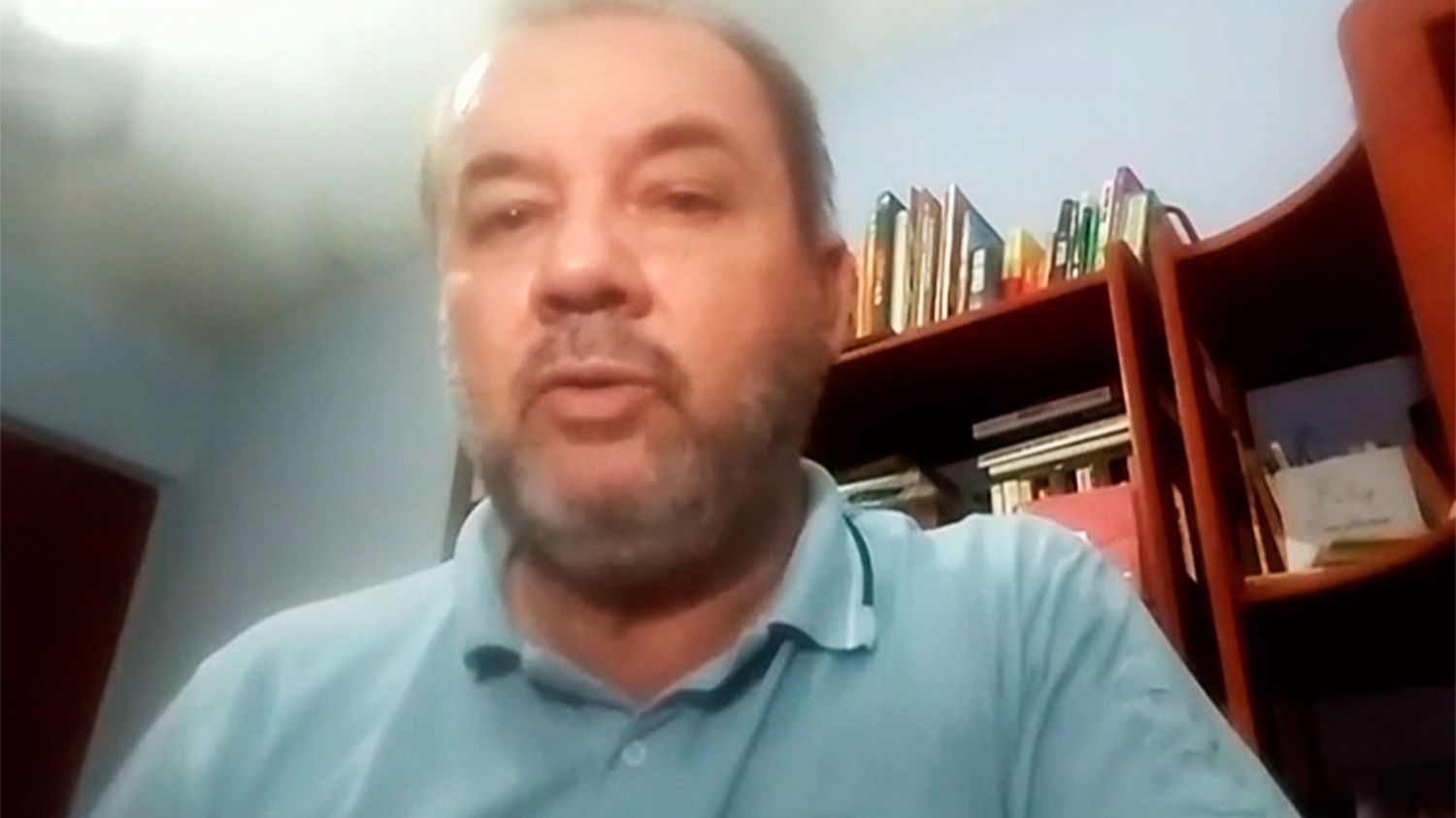
Sergio Giorgeff, a geologist and researcher at CONICET, the Argentine National Scientific and Technical Research Council, has been analyzing the recent floods and their underlying causes. Giorgeff’s research indicates a sustained increase in precipitation over the past 30 years, directly impacting the dynamics of the Salí-Dulce River basin. This trend, coupled with alterations to the landscape, is exacerbating the consequences of heavy rainfall, even in downstream communities. The situation highlights the growing vulnerability of Argentina’s northern regions to climate change and the urgent need for adaptive strategies.
The changing weather patterns are not occurring in a vacuum. Giorgeff emphasizes the significant role of human intervention in the Salí-Dulce basin. Deforestation and the expansion of agricultural frontiers have reduced the land’s capacity to absorb water, leading to increased surface runoff and more severe flooding. This combination of natural and anthropogenic factors creates a dangerous feedback loop, where each rainfall event surpasses the previous one in intensity and impact. The current infrastructure, largely built in the 1960s, is proving inadequate to handle these new climatic conditions.
A Pattern of Intensifying Rainfall
The floods affecting Tucumán, Santiago del Estero, and other regions are part of a recurring pattern that has been observed since the 1990s. Giorgeff notes that while intense rainfall events have occurred historically, their frequency and intensity have demonstrably increased in recent decades. This isn’t simply a matter of unusually heavy rain; it’s a fundamental shift in the region’s hydrological cycle. The episodes are becoming more frequent and are occurring over a modified landscape, amplifying the consequences for local populations.
The situation is particularly dire for downstream communities, such as those in Santiago del Estero province, which are bearing the brunt of the overflowing rivers. The existing dam infrastructure, designed for a different climate, is no longer capable of effectively managing the increased water flow. Giorgeff points out that the dams constructed from the 1960s onward were predicated on historical climate data that no longer reflects current realities.
The Role of Infrastructure and Land Use
The inadequacy of current infrastructure is a critical concern. The dams, while intended to provide flood control, are now proving to be insufficient in the face of more extreme weather events. Giorgeff advocates for a combined approach, integrating traditional engineering solutions with environmentally sound practices. This includes not only upgrading existing infrastructure but similarly prioritizing reforestation, improving drainage systems, and implementing more efficient water management strategies.
Beyond infrastructure, the impact of land use practices is a significant driver of the increasing flood risk. Deforestation and the expansion of agriculture have dramatically reduced the land’s ability to absorb rainfall. The loss of forests diminishes the natural capacity of the soil to act as a sponge, leading to greater runoff and increased flooding. “The recovery of forests is key to decreasing surface runoff and avoiding overflows, while It’s a medium- to long-term solution,” Giorgeff stated. This highlights the need for a holistic approach that addresses both immediate flood control measures and long-term environmental sustainability.
A Changing Climate and Future Risks
Giorgeff’s analysis paints a concerning picture for the future. He warns that the trend of intensifying rainfall is likely to continue, and that each subsequent event will surpass the previous one in severity. “We can no longer talk about extraordinary rains as isolated events, but as a new climate pattern,” he asserts. This necessitates a proactive approach to disaster preparedness, including planning and executing infrastructure projects during the drier periods of the year to mitigate the impact of future rainfall.
The implications extend beyond immediate damage and displacement. The increased frequency and intensity of floods pose a significant threat to agricultural production, water resources, and public health. The economic costs of these events are substantial, and the long-term social and environmental consequences could be devastating. Addressing this challenge requires a coordinated effort involving government agencies, local communities, and scientific experts.
Understanding the Cuenca Salí-Dulce
The Cuenca Salí-Dulce, or Salí-Dulce Basin, is a crucial hydrological system in northwestern Argentina. It encompasses parts of the provinces of Tucumán, Santiago del Estero, and Catamarca. The basin is characterized by a semi-arid climate and is heavily reliant on the Salí River and the Dulce River for water resources. The increasing rainfall and altered land use patterns within the basin are significantly impacting its ecological balance and increasing the risk of flooding. The region’s vulnerability is further compounded by its socio-economic conditions, with many communities relying on agriculture and lacking the resources to effectively adapt to climate change.
The Need for Integrated Solutions
Addressing the escalating flood risk in northern Argentina requires a multifaceted approach that integrates climate change adaptation, sustainable land management, and infrastructure improvements. Reforestation efforts are crucial for restoring the land’s natural capacity to absorb water, while improved drainage systems can help to manage surface runoff. Investing in modernizing and expanding dam infrastructure is also essential, but it must be done in a way that considers the changing climate and the long-term ecological impacts.
effective water management strategies are needed to ensure the sustainable use of water resources. This includes promoting water conservation practices, improving irrigation efficiency, and implementing policies that protect watersheds. Collaboration between government agencies, local communities, and scientific experts is essential for developing and implementing these solutions. The situation demands a long-term commitment to building resilience and mitigating the impacts of climate change.
The warnings from experts like Sergio Giorgeff serve as a critical reminder of the urgent need to address the growing threat of climate change and its impact on vulnerable regions. The floods in northern Argentina are not simply a natural disaster; they are a consequence of a complex interplay between natural forces and human actions. By understanding these dynamics and implementing proactive solutions, Argentina can work towards a more sustainable and resilient future.
As of March 18, 2026, authorities continue to monitor rainfall levels and assess the damage caused by recent flooding events. Further updates and advisories can be found on the official websites of the Argentine government and relevant provincial authorities. The situation remains fluid, and ongoing vigilance is crucial for protecting communities and minimizing the impact of future floods.
What are your thoughts on the increasing flood risk in Argentina? Share your comments below and help us spread awareness about this critical issue.
Related reading
- Swiss Police Provide Update on Illegal Alpine Pasture Occupation
- WSJ Report Accuses Pima County Sheriff’s Department of Investigation Delays and Evidence Failures
- Beyond the Teeth: A Dentist’s Reflection on Human Connection (world-today-news.com)
- EU AI Act Overview: Key Insights from Digital Law Expert Alexandre Lazarègue (newsdirectory3.com)