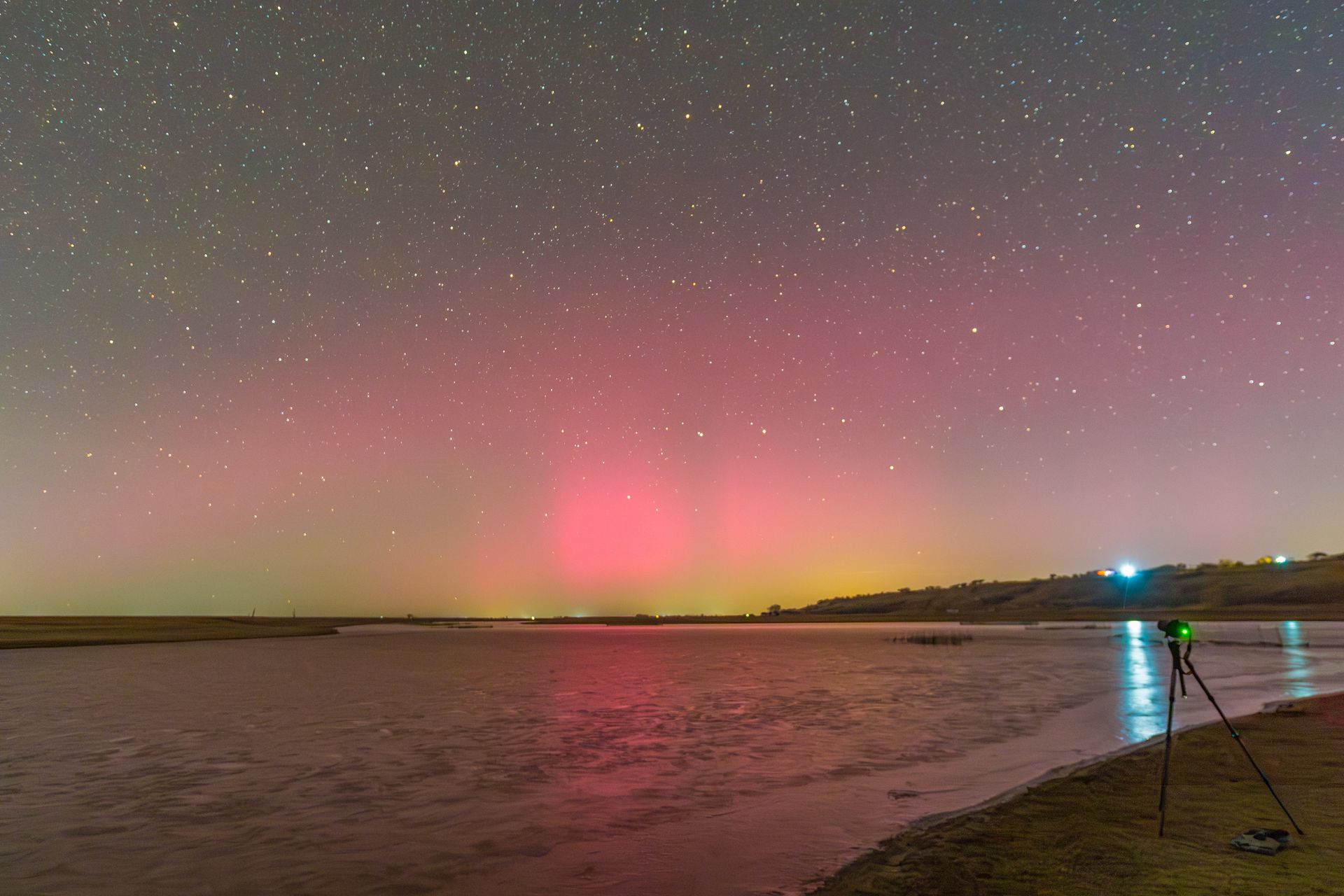
As we move through June 2026, space weather enthusiasts and skywatchers across Europe are turning their attention toward the potential for geomagnetic activity. Recent reports of heightened solar activity have sparked widespread discussion regarding the possibility of observing the aurora borealis—the northern lights—at lower latitudes, including over Poland. As a technology editor who follows space weather monitoring, I know that while these events are breathtaking, they are also highly dependent on the complex interactions between solar particles and Earth’s magnetosphere.
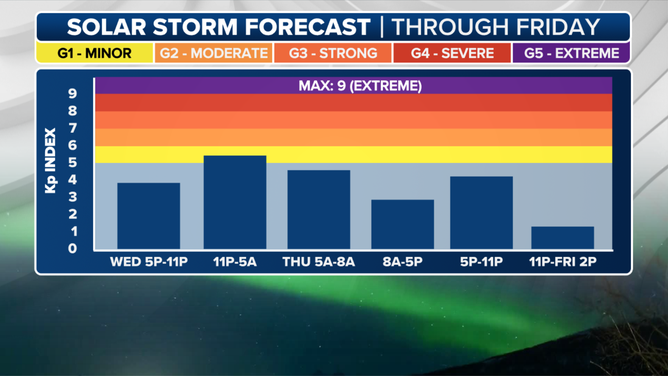
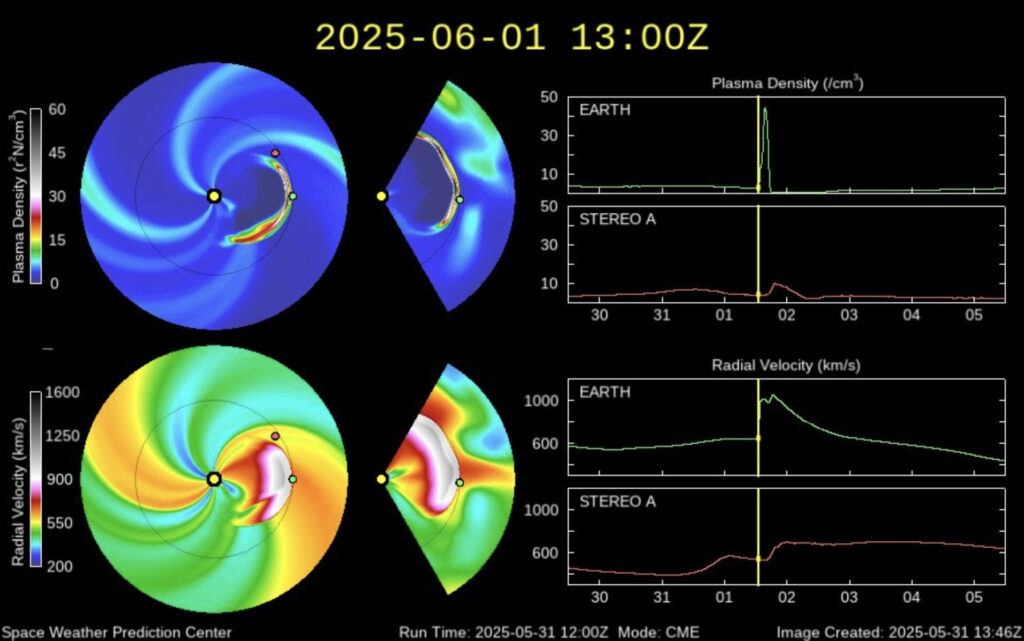
The core of the current conversation revolves around solar flares, which are intense bursts of radiation originating from the sun’s atmosphere. When these flares are accompanied by Coronal Mass Ejections (CMEs)—massive clouds of solar plasma and magnetic fields—they can trigger geomagnetic storms upon reaching Earth. It is these storms that drive the aurora, pushing the colorful displays of light further south than their usual arctic residence. According to the National Oceanic and Atmospheric Administration (NOAA) Space Weather Prediction Center, the intensity of these displays is measured using the Kp-index, a scale that quantifies disturbances in the Earth’s magnetic field.
Understanding Solar Activity and the Aurora
The prospect of a “great aurora” visible over central Europe depends on a precise alignment of variables. For an aurora to be visible from Poland, the geomagnetic storm must typically reach a higher G-scale rating, which indicates a significant disruption. The European Space Agency (ESA) notes that solar activity follows an approximately 11-year cycle, currently trending toward a period of high activity known as the solar maximum. During this phase, the frequency of flares and CMEs increases, naturally raising the probability of geomagnetic events.
However, predicting exactly when and where these lights will appear remains a challenge. Even with high-level solar activity, the Earth’s magnetic field acts as a shield. For a display to be visible, the magnetic orientation of the incoming solar wind must be “southward,” allowing it to interact effectively with the Earth’s own magnetic field. Without this specific alignment, even a powerful CME may result in a lackluster display.
How to Safely Observe Potential Geomagnetic Displays
For those hoping to catch a glimpse of the northern lights, preparation is key. While the idea of “two waves merging” is a common theme in speculative discussions, scientifically, researchers focus on the arrival times of specific plasma clouds. To increase your chances of witnessing such a phenomenon, consider these expert-backed tips:
- Escape Light Pollution: The aurora is a subtle phenomenon. Move away from city centers and artificial lighting to allow your eyes to adjust to the darkness.
- Monitor Official Data: Rely on real-time data from organizations like the NOAA Aurora Dashboard, which provides a 30-minute forecast of the auroral oval.
- Use Long-Exposure Photography: Often, the human eye cannot perceive the faint colors of an aurora at lower latitudes. A camera set to a long exposure can capture light that is otherwise invisible to the naked eye.
- Check Weather Conditions: Cloud cover is the primary enemy of the skywatcher. Clear skies are essential for any observation.
The Science of Space Weather
It is vital to remember that space weather is not just about aesthetic light shows. Significant geomagnetic storms can impact satellite operations, radio communications, and even power grids. Agencies like the NASA Heliophysics Division continuously monitor the sun to provide early warnings for these technological impacts. While the public fascination is centered on the visual spectacle, the underlying science involves sophisticated satellite arrays that track the sun’s surface in real-time.
As of early June 2026, there are no extraordinary alerts issued for extreme geomagnetic events that would guarantee a widespread viewing event across Poland. Skywatchers are encouraged to remain skeptical of sensationalized claims and instead utilize the official monitoring tools provided by international space agencies. The beauty of the night sky is best enjoyed with patience and a clear understanding of the atmospheric conditions required for such rare displays.
We will continue to monitor updates from global space weather observatories. If you have captured any astronomical phenomena, we invite you to share your experiences in the comments section below. For further reading on how to track solar cycles and geomagnetic forecasts, visit the official portals of the Space Weather Prediction Center.