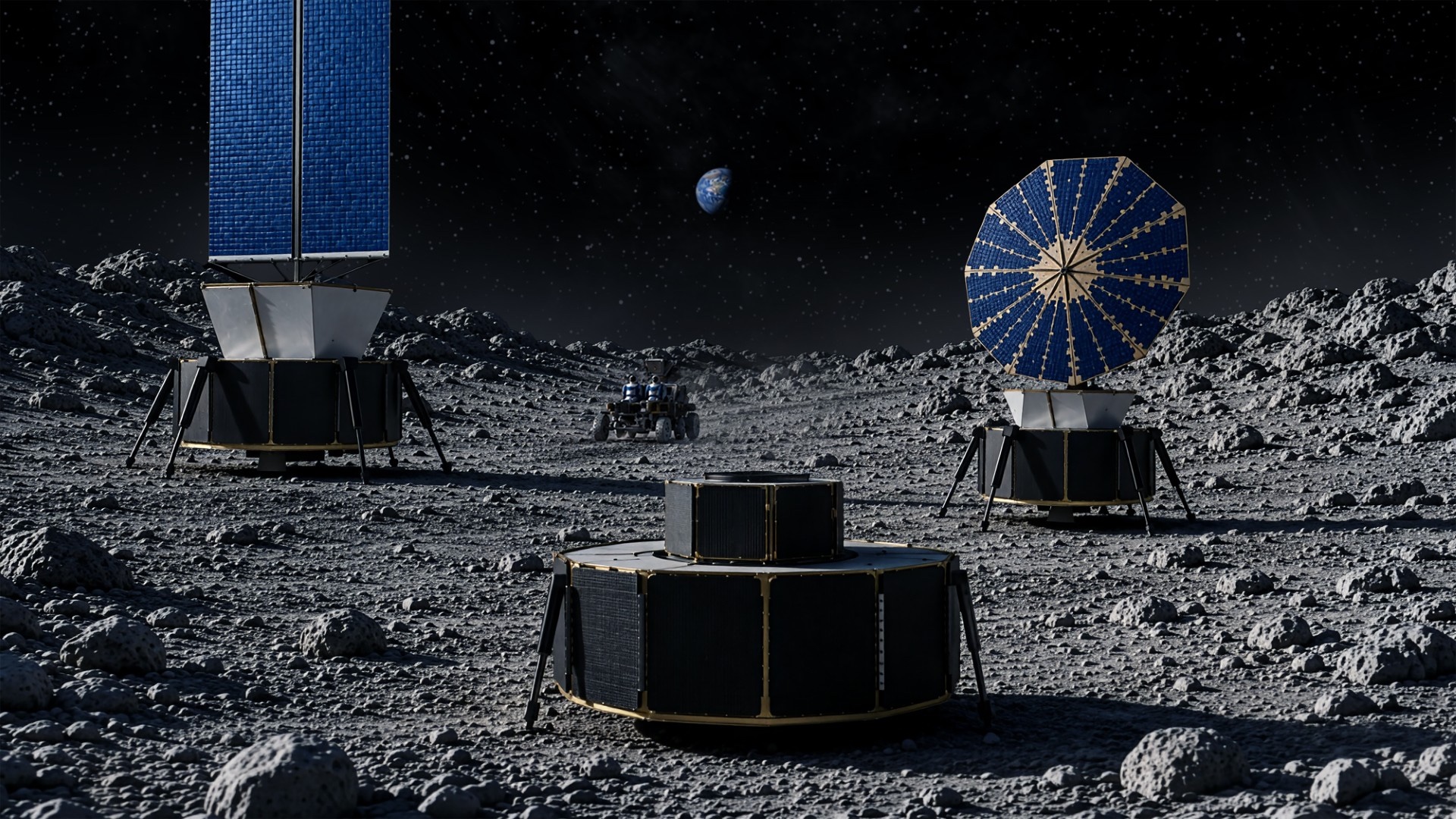
Northrop Grumman and the Canadian Space Agency announced plans to adapt hardware and technologies originally developed for NASA’s lunar Gateway into applications for a planned lunar base. Northrop Grumman announced on August 4 that it will reuse hardware and technologies developed for the Habitation and Logistics Outpost, or HALO, module for a series of lander missions, according to reporting by Spacenews.
Northrop Grumman Repurposes Gateway Hardware for Moon Base Missions
David Schiller, vice president of civil space and sciences at Northrop Grumman, stated that the ready-to-fly HALO technologies allow NASA to move faster in establishing robust infrastructure that can endure the lunar night and serve as a blueprint for a future Moon Base. NASA stated that it is working with Northrop Grumman to develop three technology demonstration payloads slated for delivery to the lunar surface, focusing on power and avionics systems from HALO as NASA shifts from an orbital-focused lunar strategy to one centered on surface operations.
A Northrop spokesperson stated on August 4 that the first lander integration and delivery mission would launch in Phase One of NASA’s Moon Base plans, which runs through 2029. The initial announcement did not provide specific details about when the missions would fly or what payloads would be tested, nor did it discuss how the company might reuse other elements of HALO, an initial habitat module for the Gateway that faced potential corrosion issues linked to supplier Thales Alenia Space.
Contract Restructuring and Canadian Space Agency Updates
Northrop Chief Executive Kathy Warden stated during a July 21 earnings call that the company is working with NASA to take technology developed under the HALO program and contribute to future Gateway plans through an ongoing contract restructuring process.
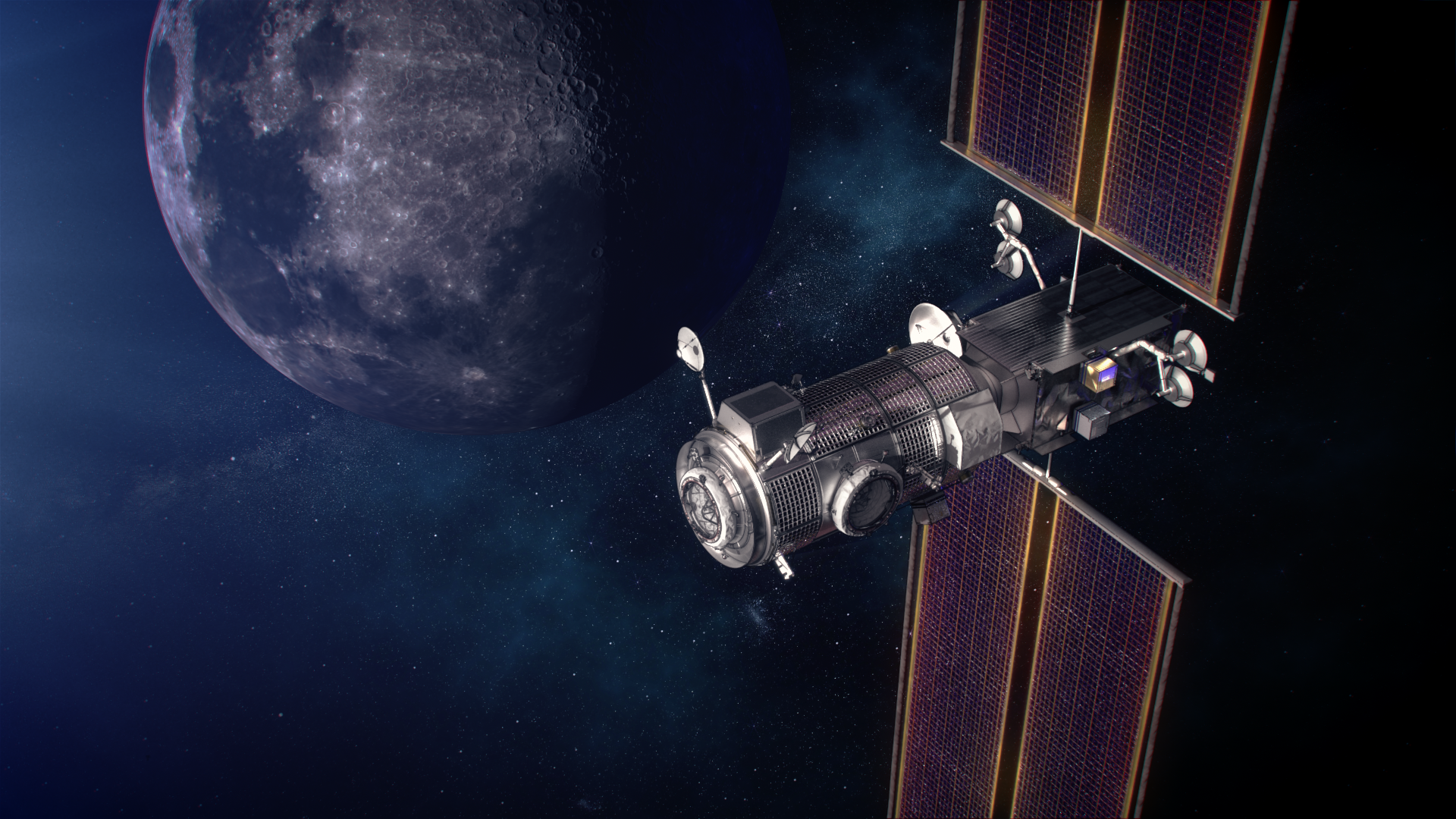
Meanwhile, the Canadian Space Agency announced on August 6 that it was revamping its contribution to the Gateway, specifically the Canadarm3 robotic arm system. Technologies developed for Canadarm3 will be adapted for lunar applications and potential use in low Earth orbit on commercial space stations. MDA Space serves as the prime contractor for Canadarm3 under a 2024 contract worth 1 billion Canadian dollars, equivalent to $717 million.
Background on NASA Contracts and the HALO Program
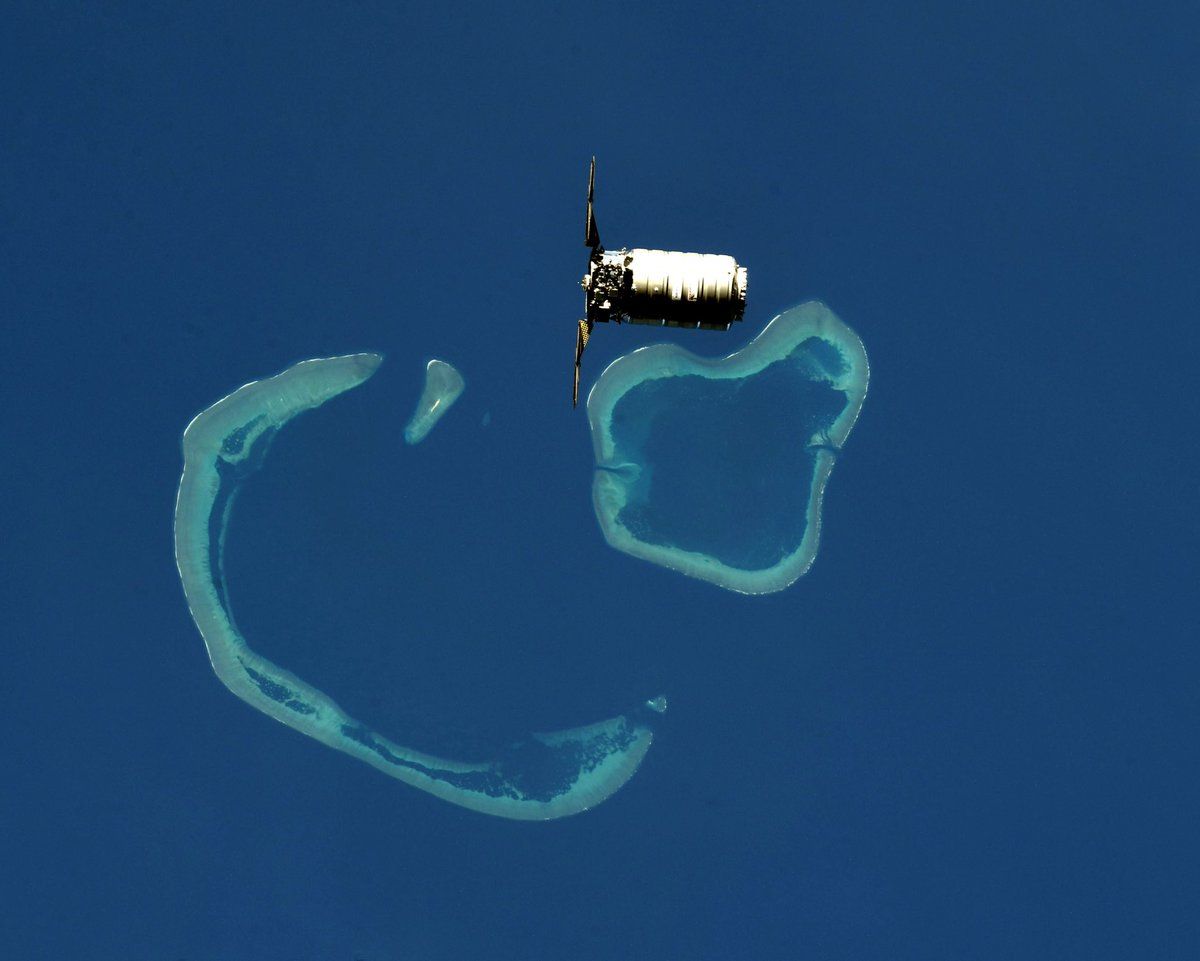
The HALO module traces its origins to a contract awarded by NASA to Orbital Sciences Corporation, a wholly owned subsidiary of Northrop Grumman Space, to design the initial crew module for the Gateway. NASA awarded $187 million for the design phase of HALO, which was developed through NASA’s NextSTEP initiative and based on the Cygnus spacecraft used to deliver cargo to the International Space Station.
NASA Administrator Jim Bridenstine previously noted that the Gateway is a key component of the long-term Artemis architecture, providing pressurized living quarters for astronauts visiting the lunar orbiting outpost. The Gateway’s Power and Propulsion Element, designed and built by Maxar Technologies, features 60-kilowatt solar electric propulsion to provide power, communications, and maneuvering capabilities for lunar exploration.