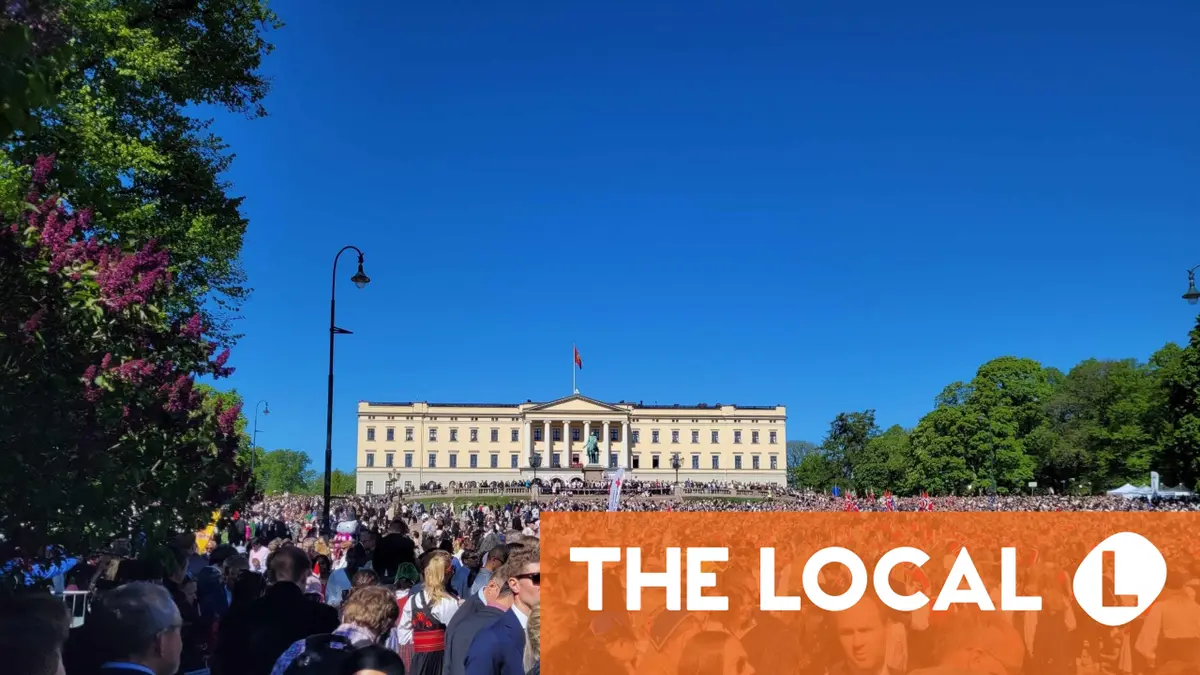
Every year, as the Scandinavian spring awakens and the landscapes of Northern Europe shift into vibrant shades of green, Norway transforms. On May 17th, the country erupts into a sea of red, white, and blue. From the bustling streets of Oslo to the quietest fjords of the west coast, the atmosphere is one of unbridled joy, communal pride, and a distinct lack of the military pomp often associated with national holidays. This is Syttende Mai—Norway’s National Day—a celebration that focuses less on the power of the state and more on the spirit of the people.
For those observing from the outside, the spectacle can seem overwhelming. Thousands of people gather in the streets, not to watch a formal procession of soldiers, but to cheer on children marching with brass bands. The air is filled with the scent of hot dogs and the sight of intricate, hand-embroidered traditional costumes. It is a day where the rigid social structures of adulthood give way to a childlike enthusiasm, and where the concept of national identity is expressed through music, dance, and a shared love for ice cream.
But beyond the festivities, May 17th is a profound reflection of Norway’s journey toward sovereignty and democracy. It commemorates the signing of the Constitution at Eidsvoll in 1814, a pivotal moment that defined the nation’s legal and political framework. As we approach this anniversary, it is worth examining why this day holds such a visceral grip on the Norwegian psyche and how it resonates with a global audience in an era of shifting national identities.
At World Today Journal, we believe that the way a nation chooses to celebrate its birth says everything about its values. In Norway’s case, the emphasis on children, community, and civilian participation suggests a society that prizes egalitarianism and the future over the glorification of past conflicts. We want to explore the layers of this tradition and invite our readers to share their own perspectives on what it means to celebrate a national identity in the 21st century.
The Legacy of Eidsvoll: A Blueprint for Democracy
To understand the fervor of May 17th, one must look back to 1814. For nearly 400 years, Norway had been in a union with Denmark. However, following the Napoleonic Wars and the Treaty of Kiel, Denmark was forced to cede Norway to Sweden. Refusing to be simply handed from one crown to another, a group of delegates gathered at Eidsvoll to draft a constitution that would establish Norway as an independent state.
On May 17, 1814, the Constitution of Norway was signed. While Norway did eventually enter a personal union with Sweden (which lasted until 1905), the Constitution remained the bedrock of its internal governance. This document was one of the most liberal of its time, drawing inspiration from the American Declaration of Independence and the French Revolution, emphasizing the separation of powers and the rights of the citizen.
Unlike the Fourth of July in the United States or Bastille Day in France, which often carry echoes of revolutionary violence or military triumph, Syttende Mai is characterized by a civilian focus. The “victory” celebrated is not one of arms, but of law and diplomacy. This historical nuance is why the celebrations feel more like a massive street party than a state ceremony. The focus is on the endurance of the democratic process and the stability of the rule of law, which continues to guide the nation’s governance today.
The Bunad: A Living Map of Heritage
Perhaps the most striking visual element of Norway’s National Day is the bunad. These traditional folk costumes are far more than simple outfits; they are complex symbols of regional identity, family history, and social belonging. A bunad is typically characterized by heavy wool, intricate embroidery, and ornate silver jewelry known as sølje.
The beauty of the bunad lies in its specificity. There are hundreds of different variations, each tied to a specific valley, town, or region. When a Norwegian wears a bunad on May 17th, they are not just wearing “national dress”—they are signaling exactly where their ancestors came from. For many, the process of acquiring a bunad is a rite of passage, often involving years of saving or receiving the garment as a gift for a milestone birthday or confirmation.

In recent years, the bunad has become a point of cultural conversation. As Norway becomes more multicultural, the question of who “belongs” in a bunad has emerged. While traditionally tied to ancestral lineage, there is a growing movement toward inclusivity, where the costume is seen as a way for newcomers to embrace Norwegian culture. The craftsmanship required to create these garments—often taking hundreds of hours of hand-stitching—serves as a reminder of a pre-industrial past, grounding the modern, tech-forward Norwegian society in a tangible connection to the land and its history.
The Heart of the Day: The Children’s Parades
If the bunad provides the visual identity of the day, the barnetog (children’s parades) provide its soul. In almost every town and village, school children march through the streets, led by marching bands playing spirited melodies. They carry small Norwegian flags, and the crowds line the sidewalks, cheering and waving. This is the central event of the day, often overshadowing any official government functions.
The decision to place children at the center of the National Day is a deliberate cultural choice. It symbolizes a nation looking forward rather than backward. By celebrating the youth, Norway emphasizes the continuity of its values—democracy, education, and community—and the responsibility of the current generation to pass these ideals to the next. The parades are not about discipline or military precision; they are about the joy of participation.
In Oslo, the largest parade culminates near the Royal Palace, where the Royal Family gathers to watch the procession. However, the interaction is remarkably informal. It is not uncommon to see the King or Queen waving enthusiastically to school children, mirroring the excitement of the crowds. This lack of rigid formality is a hallmark of the “Jante Law” influence in Nordic culture—a social tendency toward humility and the belief that no one is inherently superior to another, regardless of their rank or title.
Beyond the Capital: Local Traditions and Rituals
While the celebrations in Oslo’s Karl Johans gate are the most photographed, the true essence of May 17th is found in the smaller communities. In rural villages, the day is a homecoming. Families travel from cities to their ancestral homes, filling small cafes and community halls. The festivities often include traditional games, singing, and the consumption of specific treats.
Food plays a vital role in the ritual. Despite the sophistication of modern Norwegian cuisine, the National Day is a time for simple, nostalgic pleasures. Hot dogs (pølser) and ice cream are the unofficial staples of the day. For many Norwegians, the taste of a hot dog on a crisp May afternoon is inextricably linked to the feeling of patriotism. It is a democratic feast—affordable, accessible, and enjoyed by everyone from the Prime Minister to the youngest toddler in the parade.
The day is also marked by a spirit of “open houses.” Many people invite friends, neighbors, and even strangers into their homes for coffee and cake. This openness reflects the Nordic concept of trust, which is among the highest in the world. The National Day serves as a yearly reinforcement of this social cohesion, reminding citizens that they are part of a larger, supportive community.
A Global Perspective: What Does National Pride Look Like?
As a journalist covering global affairs, I often observe how different nations handle the concept of “patriotism.” In many parts of the world, national pride is tied to military strength, territorial expansion, or the glorification of a “strongman” leader. Norway offers a compelling alternative. Its patriotism is quiet, inclusive, and rooted in the celebration of civilian life.

This model of national identity is particularly interesting in the context of the European Union and the increasing globalization of culture. Norway, which is not a member of the EU but is part of the European Economic Area, maintains a fierce independence while remaining deeply integrated into the global economy. May 17th is a manifestation of this balance: a proud assertion of distinct national identity that does not require the exclusion or devaluation of others.
For the international community, the Norwegian example raises an important question: Can a nation be deeply patriotic without being nationalistic? The events of May 17th suggest that the answer is yes. When patriotism is shifted away from the state’s power and toward the people’s shared values, it becomes a force for social bonding rather than division.
Practical Guide for Visitors and Observers
For those planning to experience Syttende Mai for the first time, there are a few cultural nuances to keep in mind to ensure a respectful and enjoyable experience. While the day is inclusive, it is also deeply traditional.
- Dress Code: You do not need a bunad to participate. While many locals wear them, neat, festive clothing (smart casual) is perfectly appropriate for visitors.
- Timing: Parades typically begin in the morning and peak around midday. If you are in Oslo, arrive early to secure a spot along the parade route, as the streets become incredibly crowded.
- Etiquette: The day is about joy and community. Be prepared for a lot of waving, cheering, and spontaneous singing. It is a day where social barriers are lowered, so don’t be surprised if strangers strike up conversations.
- Logistics: Be aware that public transport may be crowded and some shops may be closed, as the majority of the workforce participates in the celebrations.
For official schedules and updated guidelines on public gatherings during the holiday, visitors should consult the Visit Norway official portal, which provides localized information for different regions.
Conclusion: A Celebration of the Common Person
Norway’s National Day is more than just a date on a calendar; it is a living expression of the Norwegian soul. By centering the celebration on children, traditional dress, and civilian joy, Norway reminds the world that the strongest foundation for a nation is not its army, but its community. The red, white, and blue flags that flutter from every balcony are not symbols of dominance, but markers of a shared commitment to a democratic way of life.
As we look toward the next May 17th, we invite you to reflect on your own traditions. How does your culture celebrate its identity? Does it look backward at conquests, or forward at its children? We would love to hear your stories and your feelings about how national pride is expressed in your part of the world.
Next Checkpoint: The official 2026 National Day schedules and parade routes for Oslo and Bergen are expected to be released by municipal authorities in early April.
Do you have a memory of celebrating Syttende Mai, or a similar tradition in your country? Share your thoughts in the comments below or join the conversation on our social media channels.