
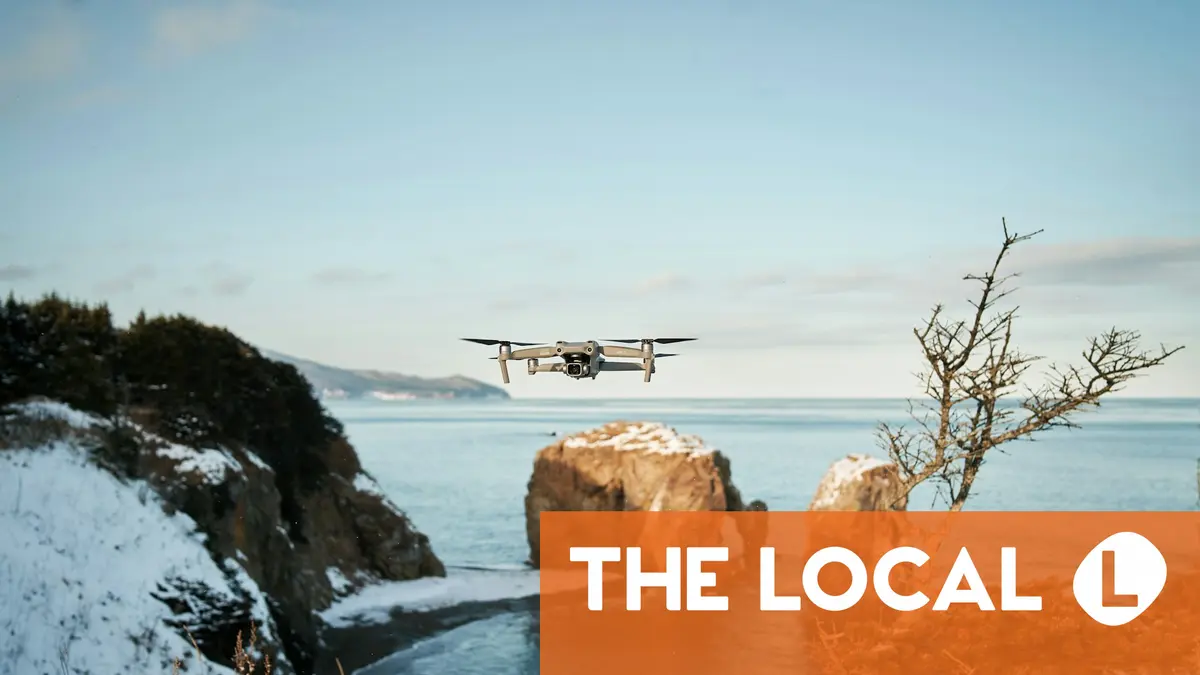
The Escalating Drone Threat in Europe: A Deep Dive into recent Incidents and Security Implications
The increasing frequency of drone incidents across Europe is triggering heightened security measures and sparking concerns about potential geopolitical implications. From disruptions at major airports to unauthorized flights over critical infrastructure, the unauthorized operation of unmanned aerial vehicles (UAVs) is rapidly evolving from a nuisance to a serious security challenge. This article provides an in-depth analysis of recent events, the evolving threat landscape, and the measures being taken to mitigate risks, focusing on the recent arrests in Oslo and the broader context of European airspace security.
Recent Incidents: Oslo,Copenhagen,and Beyond
Recent weeks have witnessed a surge in drone-related incidents across scandinavia and beyond. In late September 2024, Oslo and Copenhagen airports experienced significant disruptions following multiple drone sightings. These sightings led to the temporary closure of airspace, causing delays and cancellations for thousands of passengers. Simultaneously, Norwegian police arrested a Singaporean couple in their fifties and sixties after a drone was spotted flying over Oslo’s fortress and opera house – areas subject to a strict no-fly zone.
Did You Know? The European Union Aviation Safety Agency (EASA) estimates that the number of registered drone operators in Europe has increased by over 300% as 2020, highlighting the rapid growth of the drone market and the associated challenges for airspace management.
Prosecutor Andre Kvistad Alme confirmed that deportation or expulsion proceedings are being considered for the couple,emphasizing the seriousness with which Norwegian authorities are treating the violation of airspace regulations. While initial investigations suggest no direct link between this incident and the airport disruptions, the timing underscores the heightened state of alert. The examination includes thorough interrogation of the individuals and detailed technical analysis of the drone itself.
The Geopolitical Context: Hybrid Warfare Concerns
The timing of these incidents has fueled speculation about potential connections to the ongoing conflict in Ukraine. several European nations, especially those actively supporting Ukraine, have accused Russia of employing hybrid warfare tactics, including the potential use of drones for reconnaissance, disruption, or even sabotage.
Pro Tip: always check local regulations before flying a drone. Many countries and cities have strict rules regarding where and when drones can be operated, and violations can result in hefty fines or even criminal charges. Resources like the EASA website (https://www.easa.europa.eu/) provide comprehensive data on drone regulations across Europe.
while concrete evidence linking these specific incidents to Russian state actors remains elusive, the possibility cannot be discounted. The use of drones offers a relatively low-cost and deniable means of probing defenses and creating disruption. This has led to increased vigilance and a reassessment of critical infrastructure protection strategies. The potential for weaponized drones, even those carrying relatively small payloads, is a growing concern.
Technical Aspects of Drone Detection and Countermeasures
Addressing the drone threat requires a multi-layered approach encompassing detection, identification, and mitigation. Current technologies employed include:
* Radar Systems: customary radar can detect drones, but their small size and low radar cross-section often pose challenges.
* Acoustic Sensors: These systems identify drones by their unique sound signatures. Though, they can be susceptible to false positives from other noise sources.
* Radio Frequency (RF) Scanners: Drones communicate with their controllers via RF signals. Scanners can detect and locate these signals, identifying the drone and its operator.
* Electro-Optical/Infrared (EO/IR) cameras: These cameras provide visual identification of drones, particularly at night or in low-visibility conditions.
* Drone detection Networks: Integrated systems combining multiple sensor types for enhanced accuracy and reliability.
Mitigation techniques range from jamming RF signals (which is often legally restricted) to deploying counter-drone drones capable of intercepting or disabling rogue UAVs. The progress of “geo-fencing” technology, which prevents drones from entering restricted airspace, is also gaining traction. However, these systems are not foolproof and can be circumvented by refined operators.
question for the Reader: What role do you think artificial intelligence (AI) will play in the future of drone detection and countermeasure technologies?
Regulatory Frameworks and the Future of Drone Security
The European Union is actively working to
![AI Smart Bandage: 25% Faster Wound Healing | [Year] Update](https://i0.wp.com/www.sciencedaily.com/images/1920/wound-healing-hand.webp?resize=150%2C150&ssl=1 "AI Smart Bandage: 25% Faster Wound Healing | [Year] Update")


