Norway’s 2025 Election: Labor Party Secures narrow Victory – what You Need to No
Norway’s Labor Party, led by Prime Minister Jonas gahr Støre, has claimed victory in the closely contested 2025 general election. the center-left bloc secured a narrow but decisive win, signaling a continuation of current policies and sparking debate over the nation’s wealth tax.
here’s a breakdown of the results and what they mean for Norway’s future:
Election Results at a Glance
Center-Left Bloc (labor Party-led): Projected to hold 89 seats in the 169-member parliament, achieving a majority.
Center-right Alliance (Progress Party & Conservatives-led): Currently holds 80 seats.
Progress Party: Achieved its best-ever result,finishing in second place overall.
conservative Party: Experienced a decline, falling to third place in parliament.
* Voter Turnout: Approximately 4.3 million Norwegians were eligible to vote.
Støre’s Victory & The Wealth Tax Debate
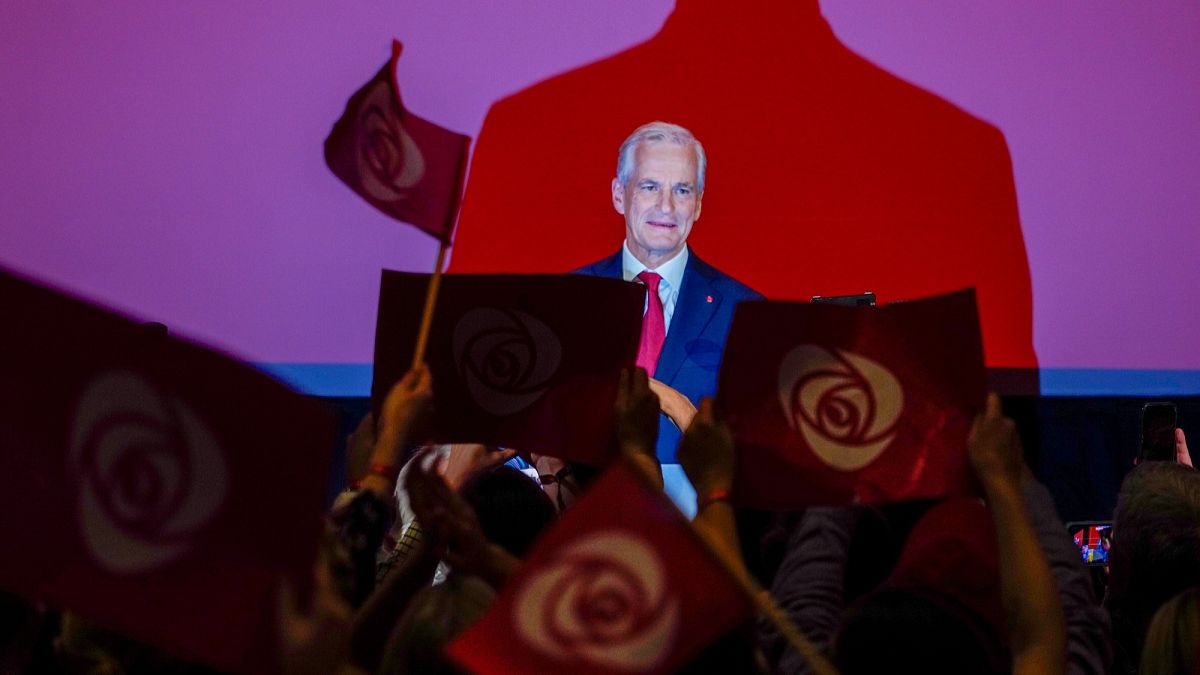
Prime Minister Støre addressed cheering supporters in Oslo Monday evening, emphasizing the significance of a Social Democratic victory in a European landscape increasingly influenced by right-wing parties.His campaign centered on maintaining Norway’s longstanding wealth tax – a policy that became a key point of contention during the election.
The wealth tax, in place since 1892, levies up to 1.1% on assets and shares exceeding 1.76 million kroner (approximately €150,101). Various reductions and discounts apply, but the tax remains a focal point for debate.
You likely noticed the strong opposition to the tax. The Progress Party advocated for its complete abolition, while the Conservatives pushed for a reduction. Støre defended the tax, stating, “I think it is fair that the most wealthy among us pay their contribution.” He argued that eliminating the tax would disproportionately benefit the wealthiest 1% of the population, contradicting Norwegian values of fairness and solidarity.
The Rise of the Progress Party & Social Media Influence
Despite not winning the election, the Progress Party’s strong performance is noteworthy. their campaign benefited from a dynamic social media strategy, leveraging influencers to advocate for the abolition of the wealth tax.This demonstrates the growing influence of digital platforms in shaping political discourse in Norway.
Sylvi Listhaug, leader of the Progress Party, expressed satisfaction with her party’s results but cautioned about “four tough years ahead for peopel and businesses.” this sentiment reflects concerns about the potential economic impact of maintaining the wealth tax and othre center-left policies.
What Happens Next: Coalition Negotiations
While the Labor Party has secured victory, forming a stable government requires coalition negotiations. Final results are expected Tuesday, initiating weeks of discussions to establish a coalition agreement and assign key Cabinet positions.
Traditionally, Norway’s King Harald formally swears in the new government once an agreement is reached. These negotiations will be crucial in determining the specific policies implemented during the next parliamentary term.
Why This Election Matters
This election underscores the ongoing tension between social democratic principles and calls for economic liberalization in Norway. The outcome suggests that, for now, Norwegians favor a system that prioritizes wealth redistribution and social welfare.
However, the Progress Party’s strong showing indicates a significant segment of the population desires lower taxes and reduced government intervention.The coming years will reveal how effectively the new government can navigate these competing priorities and address the concerns of all Norwegians.
Source: AP
Keep reading