
Norway officially reopened its renovated government headquarters in central Oslo on Monday, April 13, marking a symbolic conclusion to a long period of reconstruction. The reopening comes nearly 15 years after the site was severely damaged in a devastating bombing that targeted the heart of the nation’s administrative power.
The restoration of these buildings represents more than just architectural recovery; it is a reclamation of public space following one of the darkest days in Norwegian history. The headquarters had remained a stark reminder of the violence that struck the capital and the island of Utøya, leaving a permanent scar on the country’s psyche.
The Legacy of the July 22 Attacks
The necessity for this massive renovation stemmed from the events of July 22, 2011, when domestic terrorist Anders Behring Breivik orchestrated a two-pronged attack designed to destabilize the Norwegian state. The first phase involved the detonation of an ANFO car bomb in Oslo at 15:25 CEST, which targeted the government quarter and caused catastrophic damage to the buildings including the headquarters.
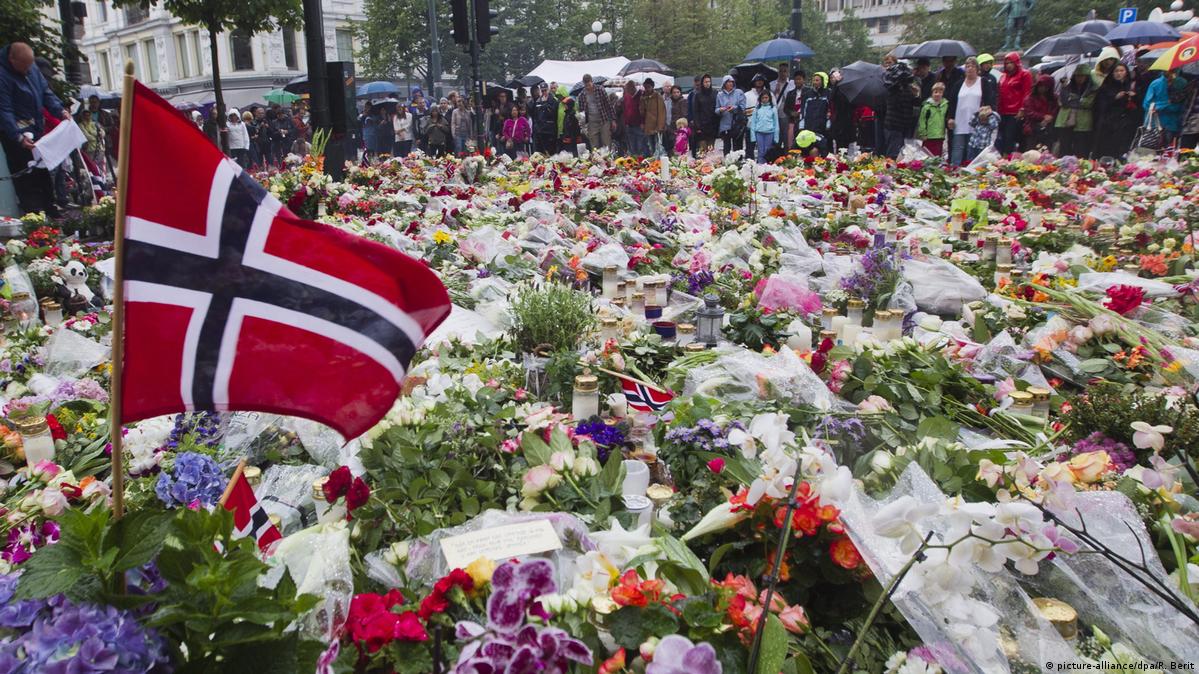
Following the explosion in the capital, Breivik traveled to the island of Utøya, where he carried out a mass shooting between 17:21 and 18:34 CEST. The targets were members of the Norwegian Labour Party’s youth wing. In total, the attacks resulted in the deaths of 77 people—eight in the Oslo bombing and 69 on Utøya—and left more than 323 people injured as documented in trial records.
The Ideological Driver Behind the Violence
The attacks were not random acts of violence but were rooted in a specific, hateful ideology. Breivik, a Norwegian neo-Nazi, claimed his actions were a fight against “Cultural Marxism” and were driven by a belief in the “Great Replacement” theory. His motives included deep-seated Islamophobia and a belief in the concept of “white genocide” according to his own manifestos and trial testimony.
By targeting the Labour Party and the government infrastructure, Breivik sought to strike at the political institutions he believed were facilitating the demographic and cultural shift of Norway. This ideological framework has since been studied globally as a primary example of the dangers of far-right extremism and domestic terrorism.
Justice and Incarceration: The Case of Anders Behring Breivik
Following his arrest, Breivik was found psychologically competent to stand trial in 2012. He was subsequently found guilty on all charges, including terrorism and causing a dangerous explosion. The court convicted him of 77 counts of aggravated premeditated murder and 42 counts of attempted murder per the official convictions.
Breivik was sentenced to 21 years of preventive detention. This specific legal mechanism in Norway allows for the possibility of indefinite extension if the prisoner is still deemed a threat to society upon the expiration of the initial term as specified in the criminal penalty. He is currently incarcerated at Ringerike Prison.
Key Facts of the 2011 Norway Attacks
| Detail | Oslo Attack | Utøya Attack |
|---|---|---|
| Time | 15:25 CEST | 17:21–18:34 CEST |
| Weapon | ANFO car bomb | Ruger Mini-14 & Glock 34 |
| Fatalities | 8 | 69 |
| Primary Target | Government Quarter | Labour Party members |
The reopening of the government headquarters serves as a tangible marker of resilience. While the physical scars of the 2011 bombing have been repaired through renovation, the event remains a pivotal point in Norway’s modern history, reminding the global community of the enduring impact of political violence.
There are currently no further scheduled public ceremonies regarding the headquarters’ opening; even though, the facility is now fully operational for government administration.
World Today Journal encourages readers to share their thoughts on the importance of architectural resilience in the face of terrorism in the comments below.
Keep reading