As Norway accelerates its transition toward a low-carbon economy, the country finds itself navigating a complex environmental paradox. While electrification is the cornerstone of Norway’s strategy to meet its ambitious climate goals, the infrastructure required to power this shift—ranging from vast wind farms to intricate transmission grids—is increasingly competing with the country’s pristine natural landscapes. Balancing renewable energy and biodiversity has become one of the most significant challenges for policymakers in Oslo, as the nation attempts to reconcile its status as a green energy leader with its commitment to preserving critical ecosystems.
Norway’s electricity demand is projected to rise significantly in the coming decades, driven by the electrification of the transport sector, the expansion of its industrial base, and the needs of a growing population. According to the Norwegian Water Resources and Energy Directorate (NVE), meeting this demand requires a substantial increase in power production, placing immense pressure on land use. This tension is not merely administrative; it touches on the cultural and ecological heritage of the Norwegian landscape, where energy development must now be weighed against the protection of endangered species and the traditional rights of the Indigenous Sámi people.
The core of the issue lies in the physical footprint of energy production. While hydropower has historically provided the vast majority of Norway’s electricity, the potential for new, large-scale hydro projects is limited by environmental regulations and existing landscape protection. The focus has shifted toward onshore and offshore wind, as well as the necessary transmission infrastructure to carry this power to industrial hubs. However, these projects often overlap with fragile habitats, leading to intense public debate and legal challenges regarding the appropriate placement of renewable energy infrastructure.
The Regulatory Framework and Land-Use Conflicts
To address these challenges, the Norwegian government has implemented stricter licensing processes that emphasize early public participation and thorough environmental impact assessments. Under the Energy Act, developers must demonstrate that the benefits of a project outweigh the potential negative impacts on nature. Here’s a delicate balancing act, as the government faces pressure from both the climate lobby, which advocates for rapid decarbonization, and conservation groups, which warn against the cumulative loss of biodiversity.
One of the most high-profile instances of this friction occurred regarding the Fosen wind farm project. In 2021, the Norwegian Supreme Court ruled that the construction of wind turbines on the Fosen peninsula violated the rights of the Indigenous Sámi people, as the turbines interfered with their traditional reindeer herding practices. The court’s decision highlighted the critical need for developers to consider the human rights implications of renewable energy projects alongside their environmental footprints. As of late 2024, the government and the affected Sámi communities continue to work toward long-term solutions that ensure both energy production and the preservation of Indigenous cultural heritage, according to updates from the Ministry of Energy.
Technological Solutions and Sustainable Siting
Technology is playing an increasingly vital role in mitigating the impact of energy expansion. By leveraging advanced geospatial data and AI-driven modeling, planners can now identify areas where energy potential is high but ecological vulnerability is low. This approach, often referred to as “smart siting,” seeks to minimize the fragmentation of habitats. There is a growing emphasis on “repowering”—upgrading older wind farms with more efficient turbines that produce more energy on the same amount of land, thereby reducing the need for new, greenfield developments.
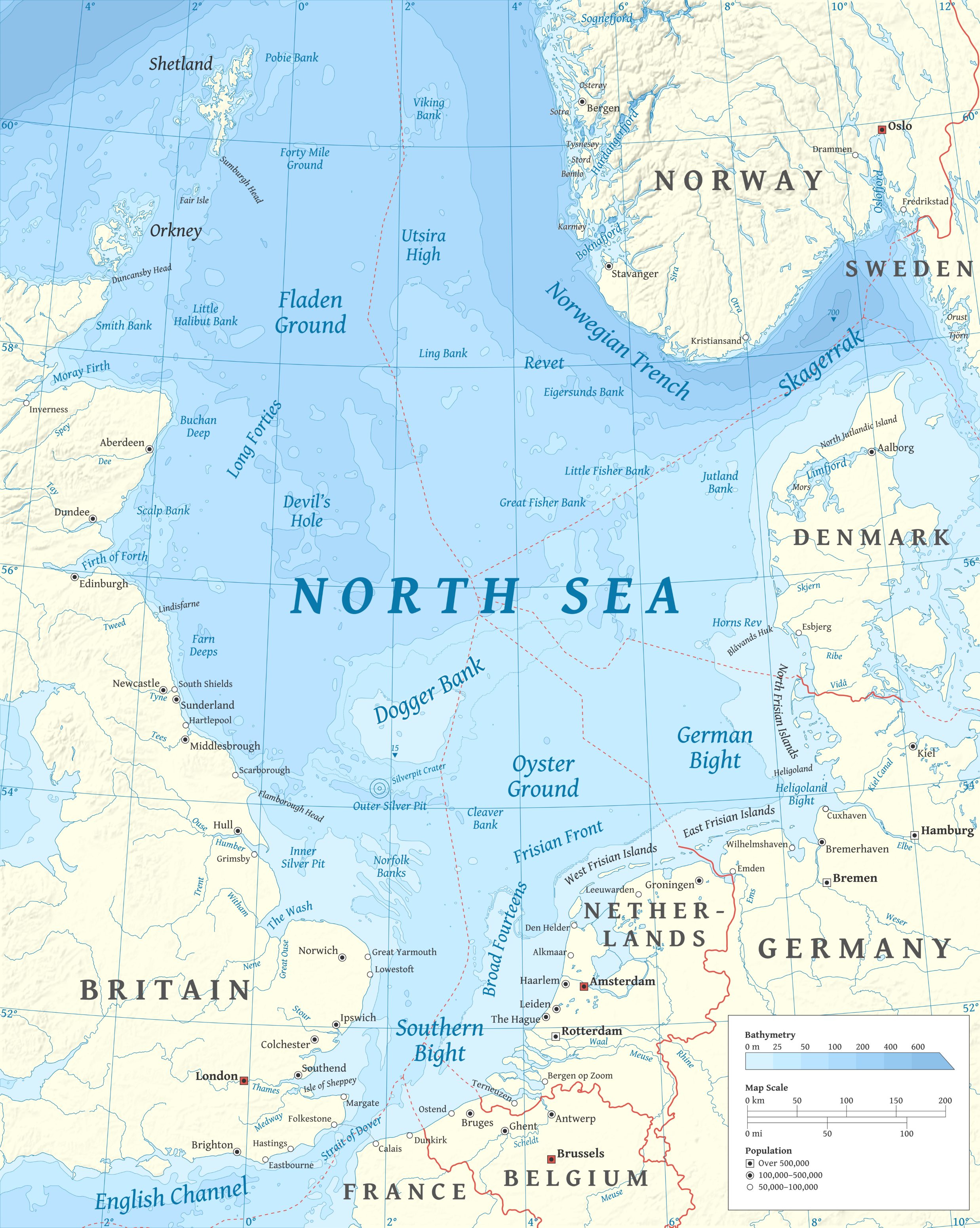
Offshore wind is also viewed as a crucial part of the solution. By moving energy production into the North Sea, Norway can tap into significant wind resources while reducing the pressure on terrestrial ecosystems. However, this transition is not without its own environmental hurdles. The Norwegian Environment Agency continues to monitor the potential impacts of offshore infrastructure on marine life, including migratory birds and fish spawning grounds. The government’s commitment to sustainable development is further evidenced by its recent focus on the Utsira Nord and Sørlige Nordsjø II areas, where licensing processes are being carefully managed to balance energy output with marine biodiversity conservation.
Key Considerations for Norway’s Energy Future
- Cumulative Impact Assessment: Moving beyond project-by-project analysis to evaluate how multiple developments affect an entire region’s biodiversity.
- Public Engagement: Ensuring that local communities and Indigenous groups are involved in the planning phase rather than solely in the consultation phase.
- Technological Innovation: Investing in floating offshore wind and energy storage solutions that reduce the need for extensive terrestrial transmission lines.
- Policy Integration: Aligning energy policy with the Kunming-Montreal Global Biodiversity Framework to ensure that climate goals do not undermine international nature-protection targets.
Looking Ahead: The Path to 2030 and Beyond
As Norway approaches its 2030 climate targets, the debate over land use will likely intensify. The challenge is not simply to build more energy capacity, but to build it in a way that is socially and ecologically resilient. The integration of biodiversity considerations into energy policy is no longer an optional add-on; This proves a fundamental requirement for the long-term viability of the energy transition. For investors, developers, and policymakers, the lesson from recent years is clear: the most successful projects are those that achieve broad social license through transparency and a rigorous commitment to environmental stewardship.

The next major checkpoint for these policies will be the upcoming review of the National Framework for Wind Power, where the government is expected to refine its criteria for project approval to better account for nature-based solutions. Stakeholders are encouraged to monitor the NVE website for upcoming public hearings and the release of new impact assessment guidelines. As this dialogue continues, the global community will be watching Norway closely, as the country’s efforts to balance renewable energy and biodiversity offer a blueprint—and a cautionary tale—for other nations facing similar challenges in the race to net-zero.
What do you think is the most effective way to balance energy needs with nature conservation? Share your thoughts in the comments below, and stay tuned to our Tech section for the latest updates on sustainable infrastructure and clean energy innovation.
Keep reading