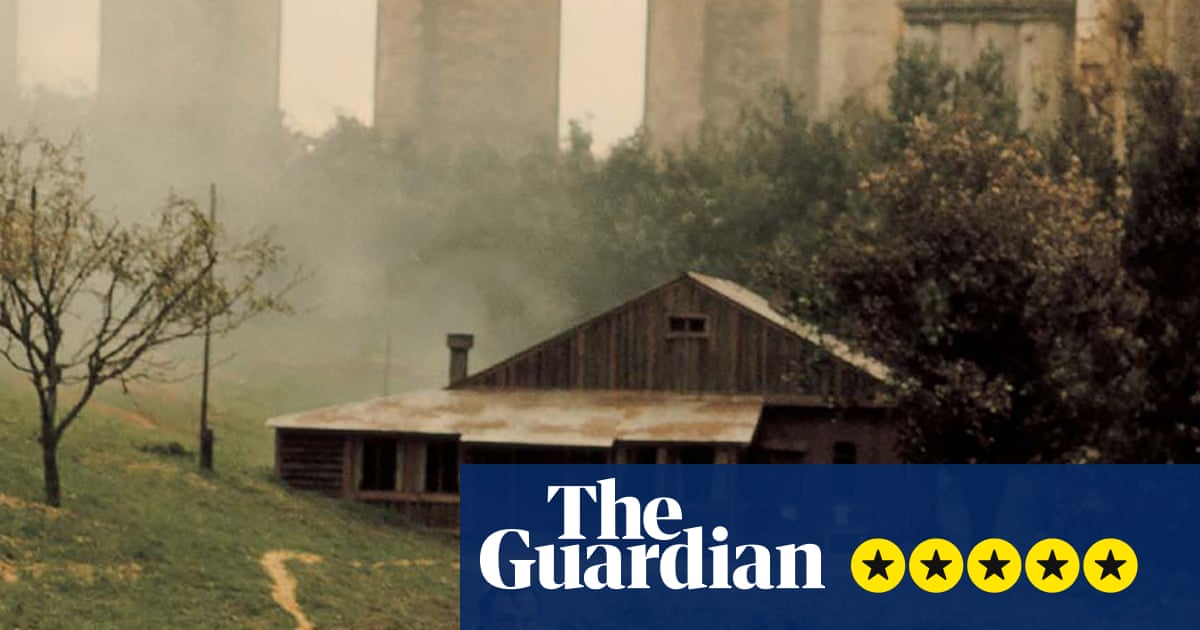
Andrei Tarkovsky’s 1983 film Nostalghia explores the profound human experience of displacement and the ache of longing for a home that may no longer exist. Set in Italy, the film follows a Russian scholar, who travels to Italy to research the life of a fictional Russian composer, Pavel Sosnovsky.
The film was a collaborative effort between the director Andrei Tarkovsky and the Italian screenwriter Tonino Guerra. Guerra, a prolific collaborator who previously worked with Federico Fellini and Michelangelo Antonioni, helped Tarkovsky bridge the cultural divide between the Russian protagonist’s internal world and the external Italian setting.
The Nature of Artistic Longing
At the heart of Nostalghia is the relationship between the scholar and his Italian interpreter. In one of the film’s most noted sequences, the interpreter reads poetry by Arseny Tarkovsky—the director’s own father—to the scholar, only for him to dismiss the act, stating that poetry is untranslatable, much like art itself.
The film’s title, Nostalghia, carries a weight distinct from simple homesickness. The term describes a profound sense of dissatisfaction with the present, a yearning for a lost time or lost place, or for something, anything, else. This feeling is mirrored in the life of the composer Sosnovsky, whose history the scholar is tracing. Sosnovsky, having moved to Italy, was overwhelmed by homesick longing and returned to the motherland.
Cinematic Language and Legacy
The Enduring Impact of Tarkovsky’s Vision
It is frequently studied for its rejection of traditional narrative structures in favor of an imagist, poetic approach.
Related reading